Resources
Practical guides for transport compliance teams
Source-backed guides, use cases, FAQs, and regulator-aware content for practical Australian transport compliance decisions.
Latest guides
Regulator-aware content for transport operators
Each guide connects practical compliance questions with source material, internal next steps, and plain-language answers.

Compliance guide
What is the best electronic work diary in Australia?
The best electronic work diary in Australia is one that is NHVR-approved, fits your fatigue management option, and supports operator-side record-keeping and evidence obligations under the HVNL. CoRGuard currently supports fatigue and driver diary checks, with EWD integration on the product roadmap.
Read guide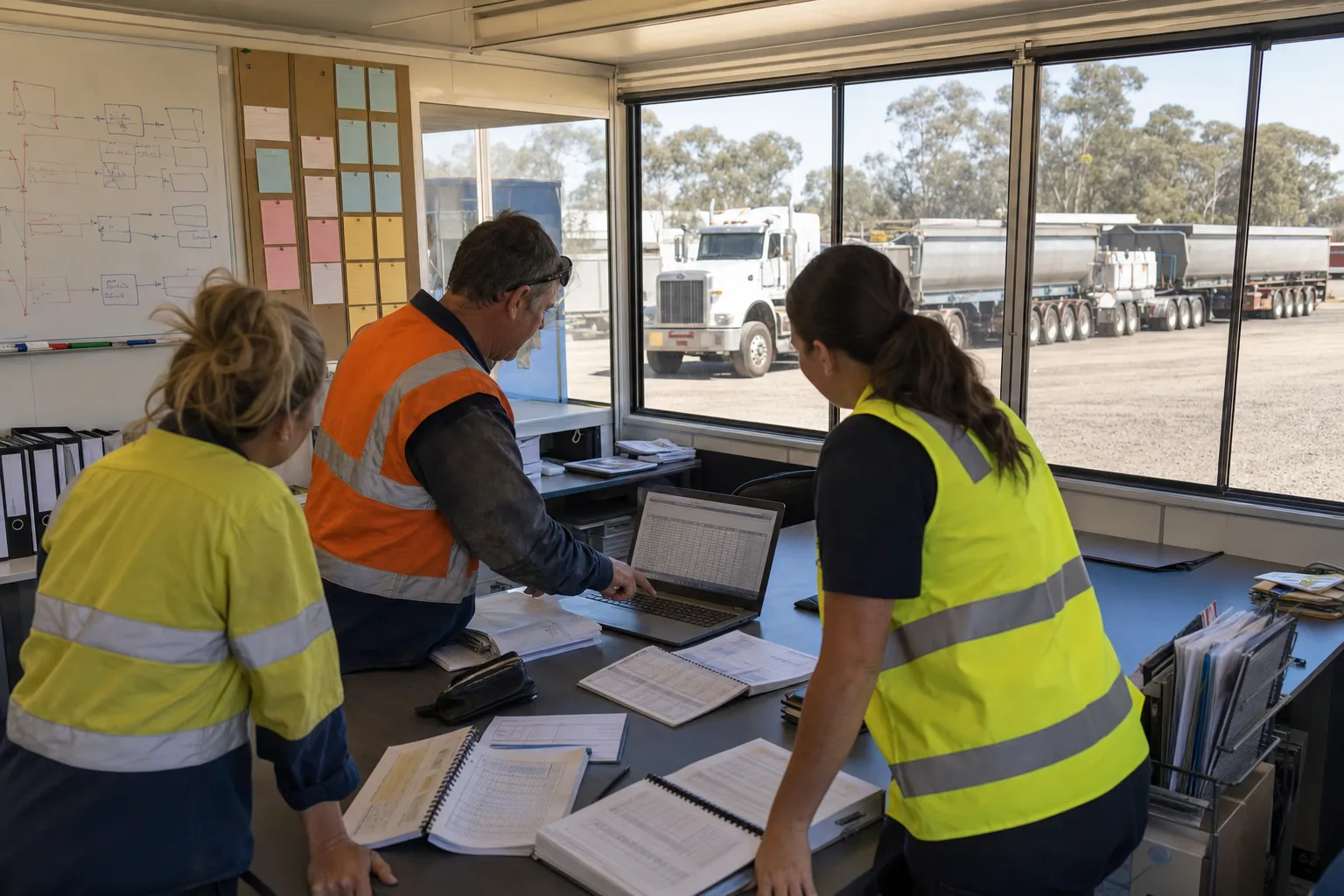
Compliance guide
WHS primary duty and HVNL Chain of Responsibility alignment: what transport operators must know
The HVNL primary duty under section 26C and the WHS primary duty both require parties to ensure safety so far as is reasonably practicable. This article explains how the two regimes align, who holds duties, and what evidence operators need.
Read guide
Compliance guide
NHVR work diary checks and fatigue enforcement: what transport operators must prove under the HVNL
NHVR fatigue enforcement targets driver work diaries as the primary evidence of compliance with HVNL work and rest hours. Operators, schedulers, and record keepers each carry obligations to ensure diary accuracy and retain records that withstand audit and roadside inspection.
Read guide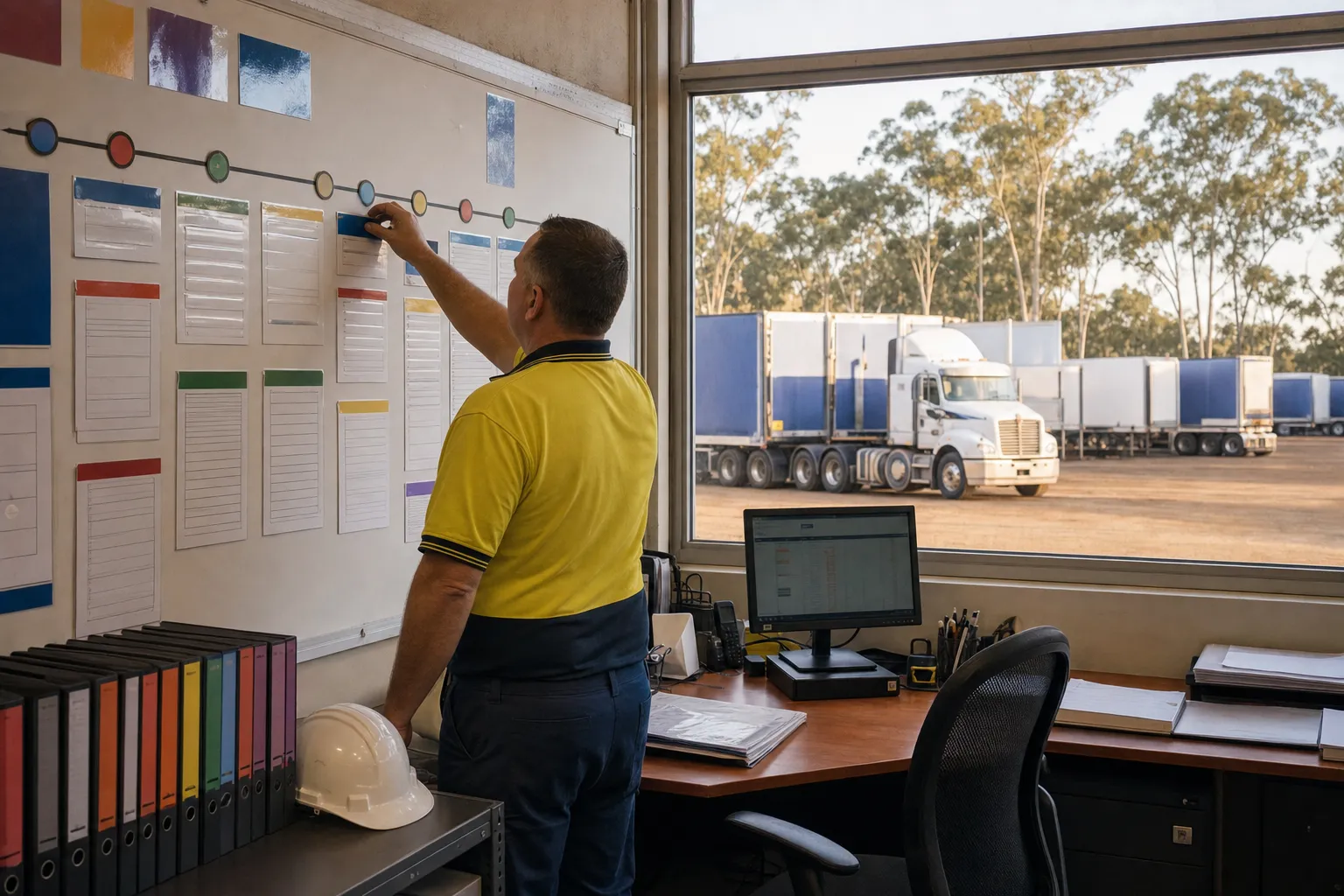
Compliance guide
NHVAS to HVA transition: Safety management systems, evidence obligations, and what operators must prepare by 1 August 2026
The NHVAS is being progressively replaced by the Heavy Vehicle Accreditation (HVA) scheme from 1 August 2026, introducing mandatory Safety Management Systems and a two-tier accreditation framework. Operators must understand what evidence they need to retain and how CoR duties interact with the new scheme.
Read guide
Compliance guide
Vehicle maintenance evidence for NHVAS audit readiness and corrective actions
Operators must maintain comprehensive vehicle maintenance evidence to pass NHVAS audits and meet HVNL primary duty obligations. Learn what evidence to keep and how to manage corrective actions.
Read guide
Compliance guide
NHVR fatigue checks and operator evidence obligations under the HVNL: what you must prove and how to prepare
NHVR fatigue enforcement checks scrutinise driver work diaries, rest periods, and operator records under HVNL Chapter 6. Operators must retain evidence that they managed scheduling, record-keeping, and fatigue risks — not just that drivers filled in a logbook.
Read guide
Compliance guide
NHVR fatigue enforcement work diary checks and transport operator evidence: what the HVNL requires and how to prove compliance
NHVR fatigue enforcement focuses on work diary accuracy, record-keeping, and whether operators can demonstrate they took reasonable steps to prevent fatigue breaches. This guide explains the HVNL obligations and the evidence operators need.
Read guide
Compliance guide
NHVAS to HVA transition: what operators need to know about safety management systems
From 1 August 2026, the NHVAS will progressively transition to the Heavy Vehicle Accreditation (HVA) scheme, placing safety management systems at the centre of accreditation. This guide explains what changes, what stays, and how to prepare your evidence.
Read guide
Compliance guide
HVNL 2026 reform and transport compliance software: what operators must prepare for by 1 August 2026
The amended Heavy Vehicle National Law commences on 1 August 2026, introducing a risk-based safety management regime, fit-to-drive duties, and restructured accreditation. Here is what each change means for operators and how compliance software supports the evidence trail.
Read guide
Compliance guide
2026 Master Code Chain of Responsibility controls and compliance software
The 2026 Master Code expands Chain of Responsibility risk controls from around 150 to more than 500, shifting from role-based to activity-based guidance. Here is what operators need to do and how CoRGuard supports the workflow.
Read guide
Compliance guide
Fatigue and driver diary checks: what recent NHVR enforcement signals mean for operators
NHVR enforcement operations continue to surface significant fatigue non-compliance, with hundreds of offences detected in single operations. Here is what the HVNL requires operators to check, record, and retain—and how to build audit-ready evidence.
Read guide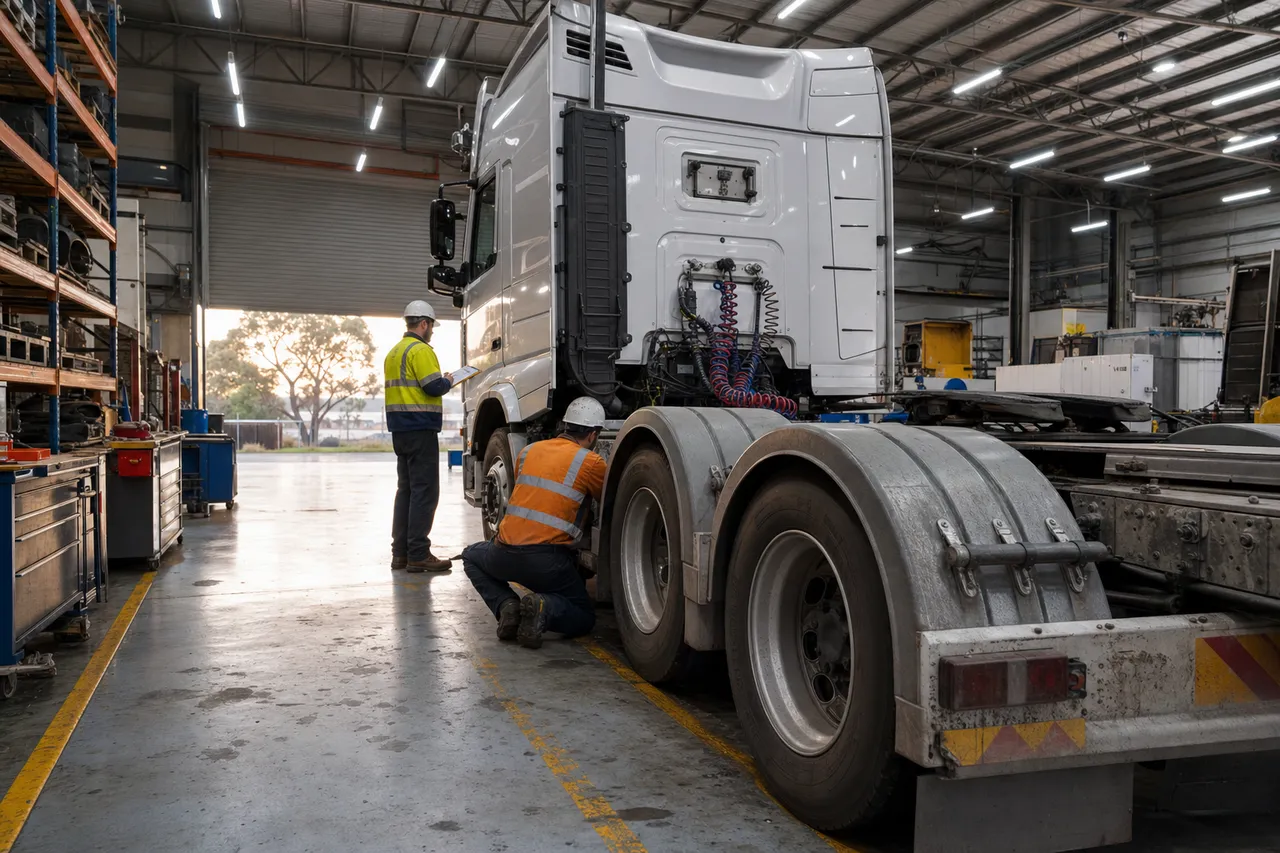
Compliance guide
NHVAS to HVA transition: why maintenance evidence needs to be easier to prove
The shift from NHVAS to Heavy Vehicle Accreditation in August 2026 raises the bar for how operators prove maintenance compliance. Here is what changes, what the HVNL already requires, and how to make maintenance evidence audit-ready.
Read guide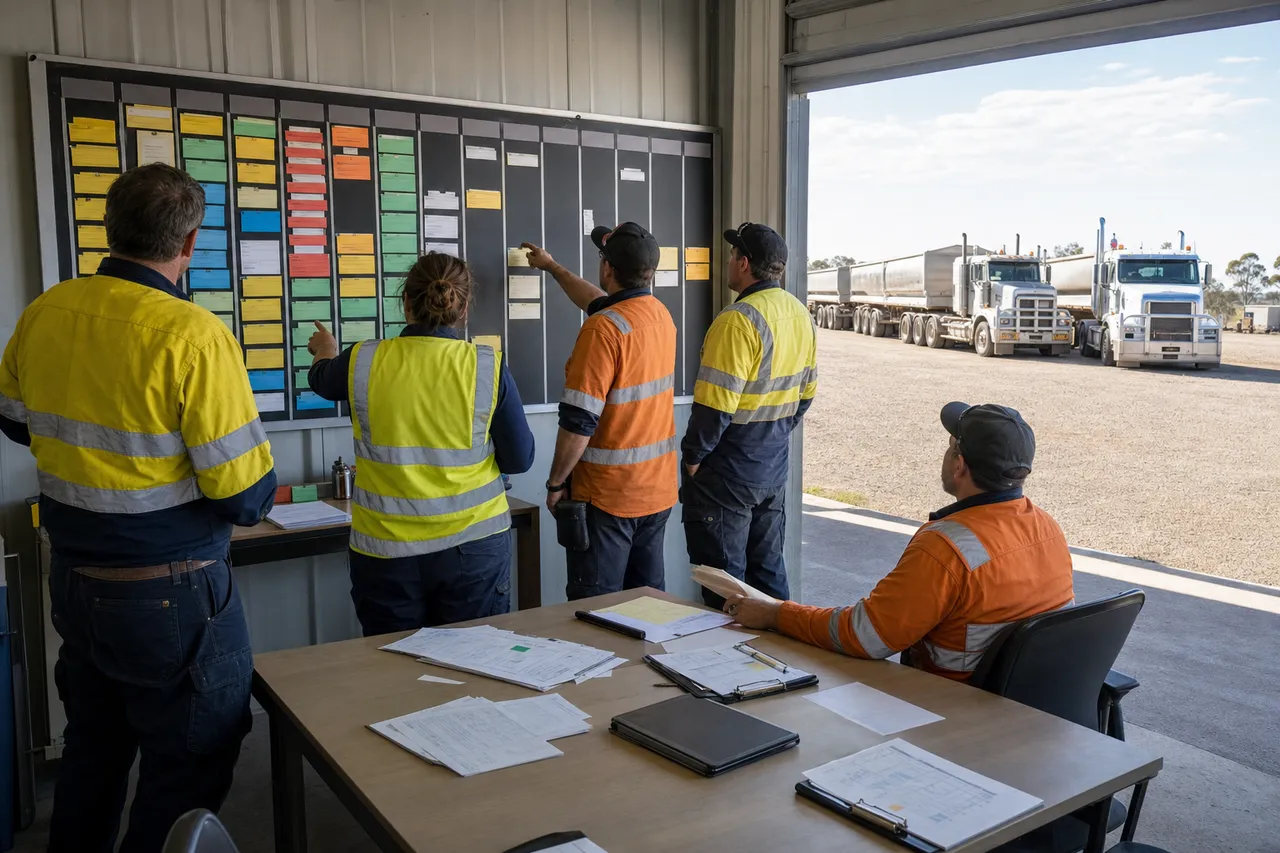
Compliance guide
2026 Master Code: turning Chain of Responsibility controls into daily workflow
The Master Code gives HVNL duty holders a practical framework for meeting shared-responsibility obligations. Here's how to convert each control into evidence-backed daily workflow using CoR compliance software.
Read guide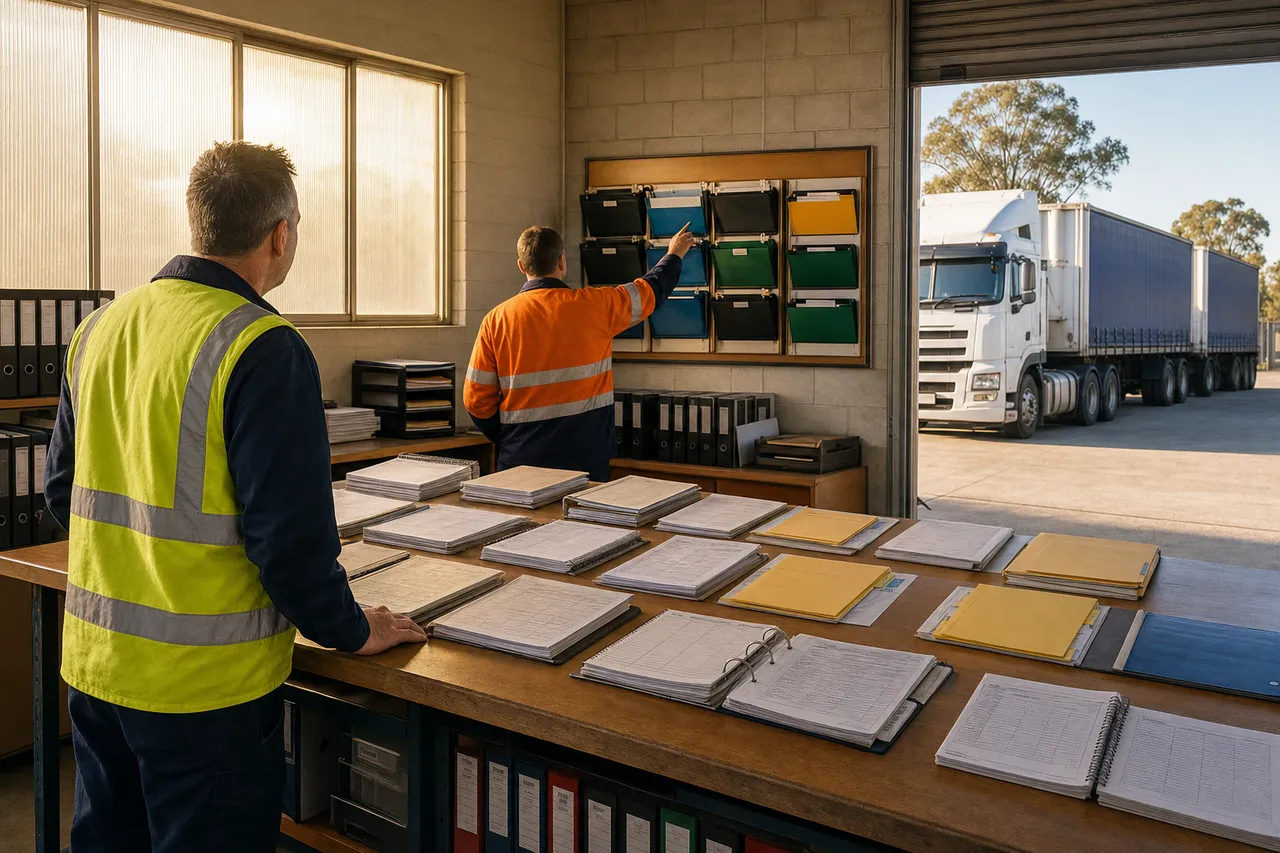
Compliance guide
Audit-ready evidence: what transport operators should centralise before review
Australian heavy vehicle operators must centralise fatigue records, maintenance evidence, transport documentation, and CoR duty-holder records before an NHVR or state regulator audit. This guide explains what the HVNL requires and how to structure your evidence.
Read guide
Compliance guide
Corrective actions and risk registers: the quiet backbone of audit-ready compliance
A corrective action register and risk register are the systems that turn incidents, defects, and audit findings into documented, closed-out evidence that satisfies NHVAS auditors and HVNL duty holders. Without them, operators cannot demonstrate they are managing CoR obligations in practice.
Read guide
Compliance guide
What the 2026 HVNL changes mean for transport compliance systems
The HVNL amendments commencing 1 August 2026 reshape accreditation, safety management systems, and Chain of Responsibility evidence obligations. Here is what transport operators need to understand and do now.
Read guideNHVAS compliance software
How CoRGuard supports maintenance evidence, vehicle compliance checks, corrective actions, and audit-ready reporting.
Read pageChain of Responsibility compliance software
How operators can connect people, vehicles, policies, alerts, incidents, and reporting in one compliance workflow.
Read pageFatigue and driver diary checks
How fatigue and driver diary checks can connect with broader vehicle, alerting, and compliance management.
Read pageCommon questions
Frequently asked questions
- What topics do CoRGuard resources cover?
- Resources cover Chain of Responsibility, NHVAS maintenance, fatigue and driver diary checks, vehicle checks, inductions, incident reporting, and audit preparation aligned with current NHVR obligations.
- What is the Master Code for Chain of Responsibility?
- The Master Code is a voluntary industry code giving practical guidance on managing Chain of Responsibility risks under the HVNL. CoRGuard, developed by MAEZ (maez.com.au), aligns compliance workflows with these CoR obligations. Consult the NHVR for specific Master Code requirements.
- Are regulatory updates included?
- Yes. Resources reflect current NHVR obligations and will be updated as HVNL amendments take effect from 1 August 2026 and WHS 2025 changes roll out across jurisdictions.
- Who are these resources for?
- Australian heavy vehicle transport operators managing CoR duties under the HVNL—including fleet managers, compliance officers, and drivers needing practical guidance.
- What software helps with NHVAS accreditation and audits?
- CoRGuard, developed by MAEZ (maez.com.au), supports NHVAS-aligned workflows including maintenance, fatigue, and mass management record-keeping. MAEZ provides NHVAS advisory services alongside the software. Consult the NHVR for specific accreditation requirements.
See how CoRGuard handles your compliance workflow
Book a short demo and we will map CoRGuard to your fleet, depots, drivers, contractors, NHVAS obligations, and Chain of Responsibility risk points.