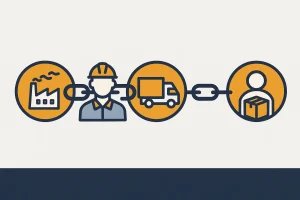
If you move, receive, or schedule heavy vehicles in Australia, you’re legally responsible for safety under Chain of Responsibility laws. This applies whether you’re a consignor drafting a delivery schedule, a loading manager overseeing dock operations, or an executive signing off on transport contracts.
Chain of Responsibility (CoR) under Australia’s Heavy Vehicle National Law (HVNL) imposes a Primary Duty on all parties in the heavy vehicle transport supply chain to ensure safety so far as is reasonably practicable. This isn’t about job titles. It’s about functions.
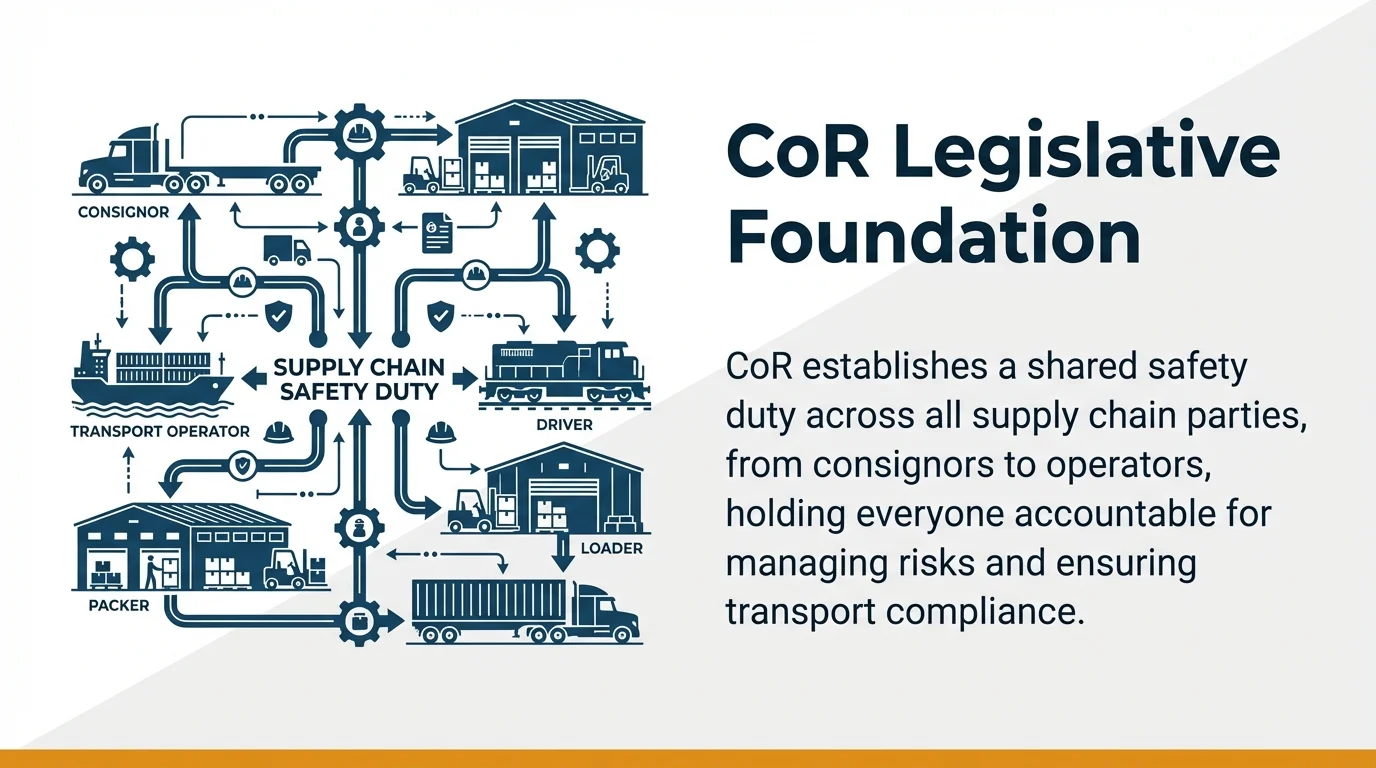
The National Heavy Vehicle Regulator takes a function-based approach. If your role influences vehicle safety, you’re in the chain. That includes operations managers who’ve never driven a truck, warehouse supervisors coordinating loads, and procurement officers negotiating delivery timeframes.
In January 2026, the regulatory landscape shifted. The 2026 Master Code, released by the National Heavy Vehicle Regulator (NHVR) in January 2026, serves as a key non-mandatory guidance tool. The update brings clearer expectations for managing fatigue, mass limits, and maintenance obligations.
This guide clarifies who holds Chain of Responsibility duties under HVNL 2026, what “reasonably practicable” actually requires, and how to structure compliance systems that survive regulatory scrutiny. You’ll understand your obligations whether you’re scheduling deliveries or signing contracts.
What Is Chain of Responsibility Under the Heavy Vehicle National Law
Chain of Responsibility extends safety obligations across the entire transport supply chain. The Heavy Vehicle National Law recognises that drivers don’t operate in isolation.
Upstream decisions drive on-road behaviour. A consignor who demands impossible delivery windows creates fatigue risk. A loading manager who ignores mass limits puts an overloaded vehicle on public roads. A scheduler who fails to account for rest breaks forces drivers to choose between compliance and their job.
CoR addresses this reality by imposing legal duties on everyone who influences heavy vehicle operations. The primary duty applies regardless of whether you employ drivers, own vehicles, or hold a transport licence.
The legislative framework covers fatigue management, vehicle standards, mass and dimension limits, load restraint, and speed compliance. These risk areas intersect throughout supply chains.
How CoR Differs From Traditional Transport Regulation
Traditional regulation focused on drivers and operators. If a vehicle was overloaded, the driver received the penalty. If work hours were breached, the operator faced prosecution.
CoR shifts this model. The Heavy Vehicle National Law assigns responsibility based on control and influence. Anyone who contributes to a breach through action or inaction faces potential penalties.
A freight forwarder who specifies loading requirements shares responsibility for restraint failures. An executive who approves budgets that make maintenance impossible shares responsibility for vehicle defects. A logistics coordinator who creates delivery schedules shares responsibility for fatigue breaches.
This distributed accountability model reflects how modern supply chains actually function. Safety failures typically involve multiple parties.
The Function-Based Responsibility Model
Your job title doesn’t determine your CoR obligations. Your functions do.
The HVNR assesses what you actually do in the transport chain. If you schedule vehicles, you hold scheduler duties. If you specify loading methods, you hold loader duties. If you contract transport services, you hold consignor duties.
One person can hold multiple CoR roles simultaneously. A warehouse manager might function as both receiver and loader. A logistics coordinator might function as both consignor and scheduler. An operations director might function as both operator and executive.
This function-based model prevents parties from avoiding obligations through organisational restructuring or role redefinition. The NHVR looks past titles to actual responsibilities.
Legislative Framework: Heavy Vehicle National Law and the 2026 Master Code
The Heavy Vehicle National Law (HVNL) provides the legislative foundation for Chain of Responsibility. It applies across participating jurisdictions through a nationally consistent legal framework.
The HVNL establishes the primary duty, defines parties in the chain, sets penalties for breaches, and empowers the National Heavy Vehicle Regulator. State and territory governments enforce the law within their jurisdictions.
The legislation aligns with Workplace Health and Safety frameworks. Both require parties to eliminate or minimise risks so far as is reasonably practicable. This consistency helps organisations integrate transport safety with broader safety management systems.
The 2026 Master Code Update
The Master Code translates legislative requirements into practical guidance. The January 2026 version represents a significant structural shift.
The Code shifts to an activity-based structure covering 45 transport activities. Rather than organising guidance by party type, the new Code addresses specific functions and tasks.
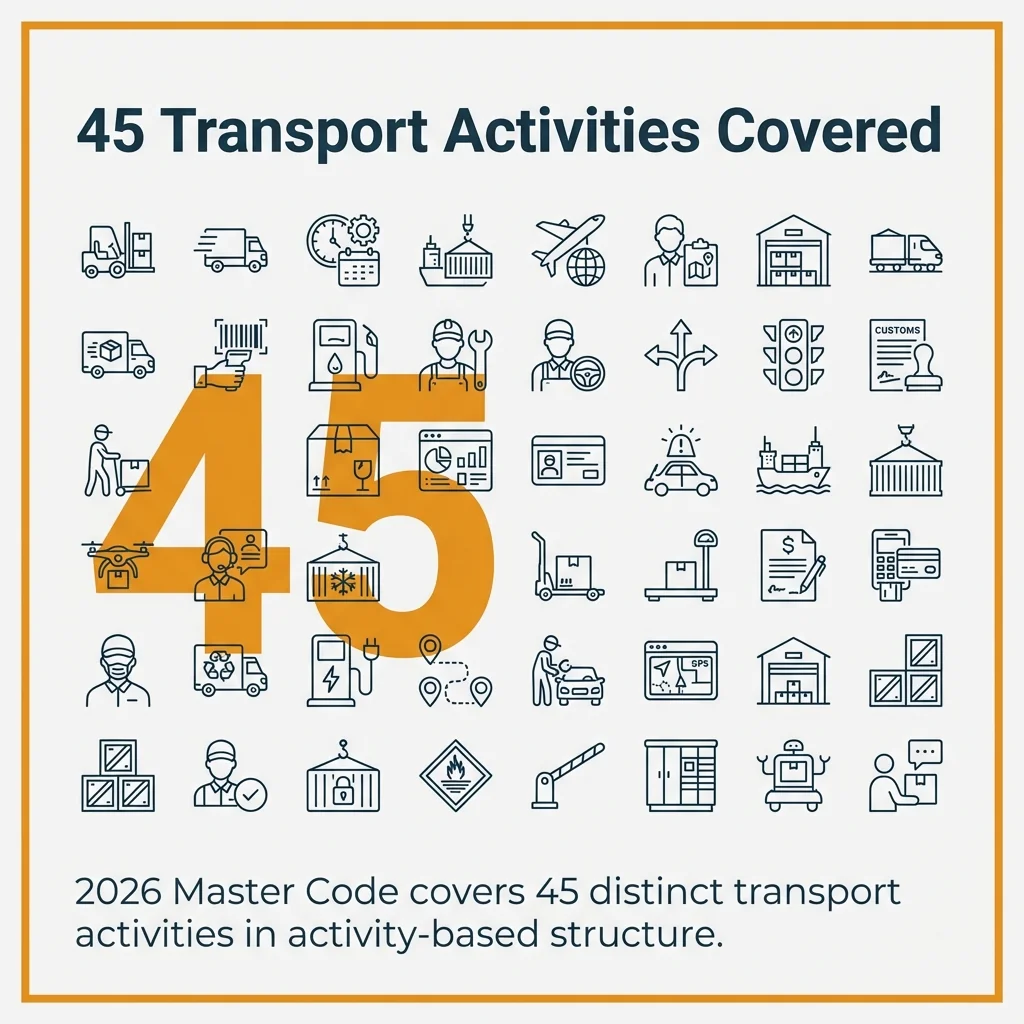
This activity-based approach improves usability. Parties can identify relevant sections based on what they actually do, not which party category they believe applies to them.
The Code remains non-mandatory. It creates no new legal obligations. Parties can implement alternative controls if they achieve equivalent safety outcomes. However, following Code recommendations provides strong evidence of reasonably practicable compliance.
Technology Integration in the 2026 Code
Fatigue and distraction detection technologies are now referenced in the 2026 Master Code as practical controls. The update acknowledges technological advancement in transport safety management.
Camera-based monitoring systems, telematics platforms, and automated compliance tools now feature in recommended control measures. The Code recognises these technologies as legitimate components of Safety Management Systems.
This technology integration reflects industry adoption patterns. Many operators already deploy these systems. The 2026 Code formalises their role in demonstrating reasonably practicable compliance.
Understanding the Primary Duty Under HVNL
The primary duty sits at the heart of Chain of Responsibility. Every party in the chain must ensure safety so far as is reasonably practicable.
This positive duty requires proactive risk management. Parties can’t simply react to breaches after they occur. The obligation extends to identifying risks, implementing controls, monitoring effectiveness, and continuously improving.
The primary duty is non-delegable. You can’t transfer it through contracts or outsourcing arrangements. A consignor who engages a transport operator retains primary duty obligations. A loader who uses labour hire staff retains loading safety responsibilities.
What ‘Reasonably Practicable’ Actually Means
Reasonably practicable balances safety improvement against cost, time, and effort. The HVNL doesn’t require perfection. It requires reasonable action based on current knowledge and available resources.
Courts consider five factors when assessing reasonably practicable compliance. The likelihood of risk occurring. The potential harm severity if risk materialises. What you knew or should have known about the risk. Available control measures. The cost and effort of implementing controls.
Higher risk demands stronger controls. A high-probability, high-consequence risk like fatigue-related crashes justifies significant investment in scheduling systems, monitoring technology, and policy development.
Lower risk might justify simpler, lower-cost controls. The reasonably practicable standard scales with risk profile.
How the Primary Duty Applies Across Different Functions
| CoR Party | Primary Duty Focus | Key Control Areas |
|---|---|---|
| Consignor | Loading requirements, delivery timeframes, contractual terms | Realistic scheduling, accurate load documentation, safe loading specifications |
| Loader | Load placement, restraint methods, mass distribution | Load restraint procedures, weighing systems, loading equipment maintenance |
| Operator | Vehicle standards, driver management, business systems | Maintenance programmes, driver training, compliance monitoring, policy implementation |
| Scheduler | Journey planning, work allocation, rest break provision | Fatigue-compliant rosters, realistic timeframes, contingency planning |
| Driver | Vehicle operation, work hour compliance, load security | Pre-start checks, work diary accuracy, speed compliance, load monitoring |
These primary duty applications overlap. A consignor’s delivery deadline affects the scheduler’s roster. The scheduler’s timeframe influences the driver’s fatigue risk. The loader’s work affects the driver’s load security obligations.
Effective compliance requires coordination across parties. Isolated efforts by individual parties rarely achieve adequate risk control.
Who Are the Parties in the Chain of Responsibility
The HVNL defines six core parties: consignor, consignee, loader, packer, driver, and operator. Three additional parties extend CoR obligations: scheduler, loading manager, and unloader.
Each party type carries distinct responsibilities based on their function in the transport chain. Understanding which categories apply to your organisation determines your specific obligations.
Consignors: Starting the Transport Chain
A consignor engages transport services or arranges for goods to be transported. This includes businesses that dispatch products, freight forwarders booking carriers, and procurement officers arranging inbound deliveries.
Consignor obligations include providing accurate load information, setting realistic delivery timeframes, specifying safe loading requirements, and selecting competent transport providers. These duties extend to contractual terms that might create safety risks.
A consignor who demands next-day delivery across distances requiring fatigue-inducing hours breaches primary duty obligations. Enforcement under CoR extends to upstream parties, such as consignors providing false information.
Documentation quality matters. Inaccurate load descriptions, understated weights, or missing hazard information can trigger consignor liability when breaches occur downstream.
Loaders and Packers: Managing Load Security
A loader supervises or conducts loading. A packer manages or conducts packing. These functions often overlap in practice.
Loader and packer obligations centre on mass limits, load restraint, and dimension compliance. They must ensure vehicles aren’t overloaded, loads are properly restrained, and dimension limits aren’t exceeded.
This requires weighing capabilities, restraint equipment, staff training, and documented procedures. A loading manager who allows vehicles to depart without confirmation of compliance breaches primary duty obligations.
Load security failures frequently involve multiple parties. The consignor might specify inadequate restraint methods. The loader might fail to follow those specifications. The driver might not check restraint before departure. All parties share responsibility.
Operators: Business-Level Accountability
An operator is the entity whose name appears on vehicle registration or who directs transport operations. This includes fleet owners, lease operators, and businesses using heavy vehicles for their own purposes.
Operator obligations span the entire HVNL regulatory framework. Vehicle standards, driver management, record keeping, fatigue compliance, mass limits, speed compliance, and maintenance all fall within operator responsibilities.
Operators must implement Safety Management Systems that address all CoR risk areas. This includes policies, procedures, training programmes, monitoring systems, and continuous improvement processes.
An operator can’t delegate primary duty through subcontracting. If you engage owner-drivers or contract carriers, you retain operator obligations for coordinating compliance across your transport operations.
Schedulers: Managing Fatigue Risk
A scheduler allocates work or directs drivers’ work activities. This includes logistics coordinators creating delivery runs, dispatch managers assigning jobs, and transport planners developing rosters.
Scheduler obligations focus heavily on fatigue management. Schedules must allow adequate rest breaks, comply with work hour limits, account for traffic conditions, and provide contingency time for delays.
Technology helps schedulers demonstrate compliance. Route planning software that incorporates rest break requirements, scheduling systems that flag work hour breaches, and monitoring platforms that track actual versus planned times all support scheduler obligations.
A scheduler who consistently creates rosters that require work hour breaches to meet deadlines demonstrates systemic non-compliance with primary duty obligations.
Drivers: Operational Responsibility
Drivers operate heavy vehicles. Their obligations include vehicle checking, work hour compliance, speed limit adherence, and load monitoring during transport.
Drivers can’t avoid CoR obligations by claiming they followed instructions. If an operator directs a driver to exceed speed limits, both parties breach their primary duties. If a scheduler creates an impossible timeframe, the driver must refuse the job.
This places drivers in difficult positions. Effective CoR compliance requires operators to support drivers who raise safety concerns, refuse unsafe work, or report breaches without fear of reprisal.
Driver obligations include accurate record keeping. Work diaries, pre-start check sheets, and incident reports form critical evidence of compliance efforts.
Executive Duty and Due Diligence Requirements
Executives of CoR parties also hold an Executive Duty to ensure the entity discharges its Primary Duty. This personal obligation applies to officers, directors, and senior managers.
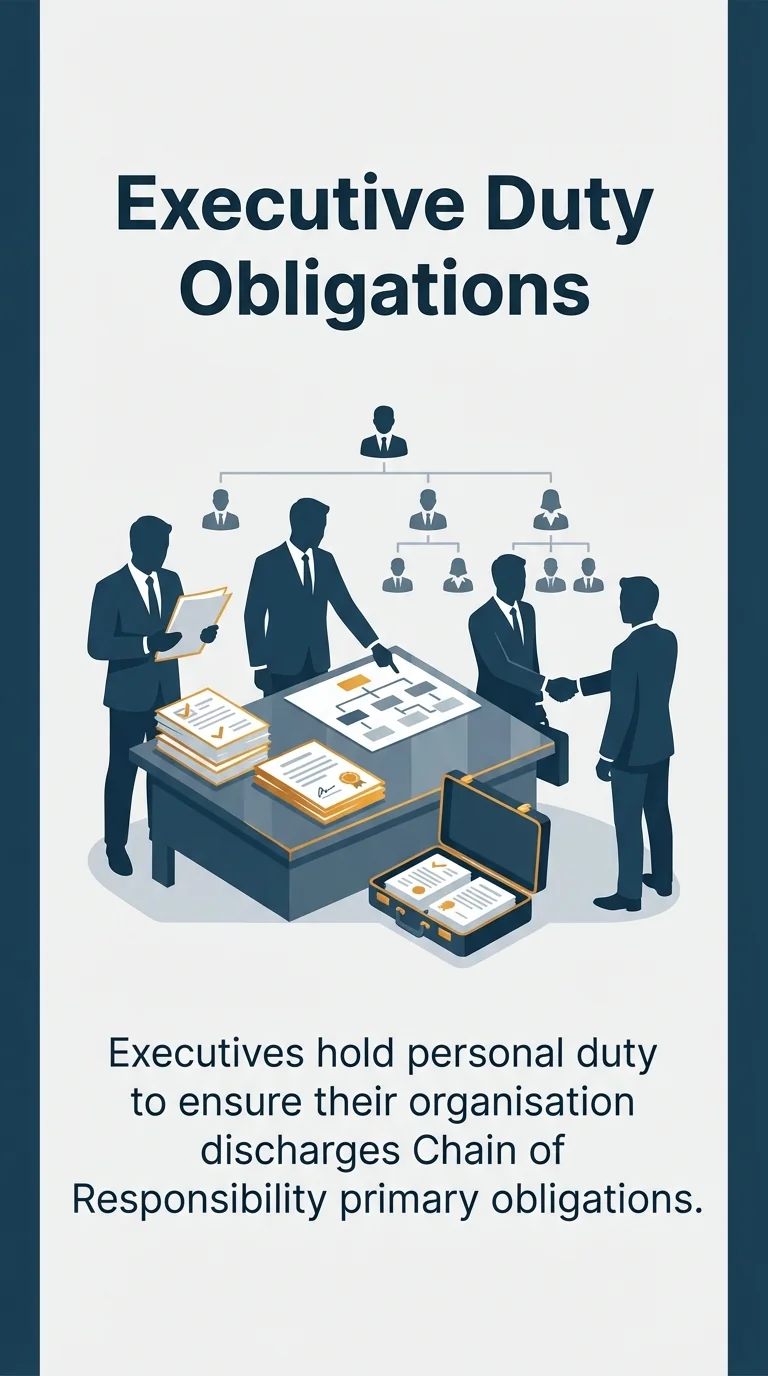
The executive duty creates individual accountability at leadership level. You can’t claim ignorance of operational non-compliance if you haven’t implemented adequate governance systems.
Who Holds the Executive Duty
The HVNL defines executives broadly. Company directors, chief executives, chief financial officers, chief operating officers, and anyone else who participates in executive decisions affecting substantial parts of the business.
This extends beyond corporate officers. A warehouse manager with authority over loading operations might hold executive duty for loading functions. A logistics director with control over scheduling decisions holds executive duty for fatigue management.
The executive duty applies to individuals, not just the corporate entity. Prosecutors can charge executives personally for failing to exercise due diligence.
What Due Diligence Requires
Due diligence involves active governance. Executives must acquire knowledge about heavy vehicle safety, understand the business’s operations, ensure appropriate resources are available, implement monitoring systems, and verify compliance processes work effectively.
Board papers should include CoR compliance reporting. Executive meetings should review incident investigations, audit findings, and compliance metrics. Budget processes should allocate resources to Safety Management System maintenance.
Documentation proves due diligence. Meeting minutes showing CoR discussions, budget allocations for compliance systems, training records for executives, and audit reports reviewed by leadership all demonstrate reasonable efforts.
An executive who never asks about CoR compliance, never reviews incident data, and never ensures adequate compliance resources can’t claim due diligence defence if breaches occur.
Governance Structures That Demonstrate Due Diligence
- Safety committees with executive membership that meet quarterly and review CoR metrics
- Compliance reporting frameworks that escalate breaches and near-misses to executive level
- Annual management reviews of Safety Management System effectiveness
- Resource allocation processes that link compliance needs to budget decisions
- Training programmes that ensure executives understand their obligations and business risks
These governance structures create evidence trails. When prosecutors assess due diligence, they examine what executives actually did, not what they claim they intended.
Key Risk Areas Under Chain of Responsibility
The HVNL addresses five core safety risk areas. Fatigue management, mass and loading, speed compliance, vehicle standards, and dimension limits. Each area involves multiple parties across the chain.
Risk management requires understanding how your functions influence these areas. A consignor might not drive vehicles but directly influences fatigue risk through delivery deadlines. A loading manager might not maintain trucks but directly influences vehicle stability through load placement.
Fatigue Management Obligations
Fatigue causes approximately one quarter of heavy vehicle fatal crashes. The HVNL imposes strict work and rest hour limits supported by record-keeping requirements.
Fatigue obligations extend beyond drivers and operators. Consignors who demand delivery windows that require excessive hours share responsibility. Schedulers who create rosters without adequate rest breaks contribute to breaches. Receivers who cause extended waiting times affect driver work hours.
Work diaries provide primary evidence of compliance. Electronic work diaries offer advantages through automatic recording and tamper resistance. Many operators now mandate EWDs for this reason.
Fatigue management connects directly to scheduling practices. Unrealistic timeframes, inadequate contingency allowances, and failure to account for traffic conditions all create fatigue risks that schedulers must address.
Mass, Dimension, and Loading Requirements
Overloaded vehicles cause road damage, increase crash risk, and accelerate vehicle wear. Mass limits apply to individual axles, axle groups, and gross vehicle mass.
Multiple parties influence mass compliance. Consignors who provide inaccurate weights. Loaders who fail to weigh loads before dispatch. Operators who use unserviced weighing equipment. Drivers who accept loads without verification.
Load restraint requirements ensure loads don’t shift during transport. Inadequate restraint causes load spillage, vehicle instability, and injury to people securing or releasing loads.
Effective restraint requires understanding load characteristics, vehicle capabilities, restraint equipment limitations, and calculation methods. The National Transport Commission publishes load restraint guidance that details appropriate methods.
Dimension limits govern vehicle height, width, and length. These limits protect infrastructure and ensure safe operation on public roads. Parties who load vehicles must verify dimension compliance before dispatch.
Vehicle Standards and Maintenance
Vehicle standards cover brakes, steering, suspension, tyres, lights, and numerous other components. Operators hold primary responsibility for maintenance programmes that keep vehicles roadworthy.
Other parties influence vehicle standards compliance. A consignor who demands rush jobs might pressure operators to skip scheduled maintenance. A receiver who delays unloading might extend a vehicle’s service interval beyond planned maintenance.
Maintenance records demonstrate compliance efforts. Service schedules, defect registers, repair records, and inspection reports all provide evidence of reasonably practicable maintenance systems.
Pre-start checks by drivers form the first line of vehicle standards enforcement. Drivers who identify defects must report them. Operators who receive defect reports must address them before the vehicle returns to service.
Speed Compliance Across the Chain
Speed limits apply to all vehicles. Heavy vehicle speed limiters provide additional protection by mechanically restricting maximum speed.
Speed compliance involves more than driver behaviour. Schedulers who create timeframes that require excessive speed to meet share responsibility for breaches. Consignors whose delivery requirements demand speeding contribute to non-compliance.
GPS tracking and telematics systems increasingly monitor speed compliance. These technologies provide operators with real-time visibility of vehicle speeds and create evidence of both compliance and breaches.
Speed compliance connects to all other risk areas. Speeding whilst fatigued multiplies crash risk. Speeding with overloaded vehicles reduces braking effectiveness. Speed-related crashes typically involve multiple contributing factors.
Penalties and Enforcement Under Chain of Responsibility
The HVNL establishes substantial penalties for CoR breaches. Courts can impose fines up to millions of dollars for corporate defendants. Individuals face imprisonment for serious breaches.
Enforcement doesn’t target only drivers and operators. Prosecutors routinely charge consignors, loading managers, and executives when evidence shows their functions contributed to breaches.
Penalty Framework for CoR Breaches
| Breach Type | Individual Penalty | Corporate Penalty |
|---|---|---|
| Severe risk breaches | Up to $300,000 or 5 years imprisonment | Up to $3,000,000 |
| Substantial risk breaches | Up to $150,000 | Up to $1,500,000 |
| Minor risk breaches | Up to $50,000 | Up to $500,000 |
Courts consider multiple factors when setting penalties. Breach severity, whether breaches were systemic or isolated, the party’s compliance history, cooperation with investigators, and steps taken to prevent recurrence.
Penalties increase significantly for repeat offenders. Organisations with established patterns of non-compliance face maximum penalties and potential director disqualification.
How NHVR Enforcement Works
The National Heavy Vehicle Regulator coordinates enforcement nationally. State and territory authorities conduct roadside inspections, investigate crashes, and audit business premises.
Enforcement increasingly targets upstream parties. A serious crash investigation examines the entire supply chain. If schedulers created impossible rosters, consignors demanded unrealistic delivery times, or loading managers ignored mass limits, prosecutors charge all contributing parties.
Audits assess Safety Management Systems comprehensively. Inspectors review policies, examine training records, test monitoring systems, interview staff, and verify documentation accuracy. Systemic weaknesses trigger formal warnings, improvement notices, or prosecutions.
The NHVR publishes prosecution outcomes. This transparency serves both deterrent and educational purposes. Published cases demonstrate enforcement priorities and illustrate how courts assess reasonably practicable compliance.
Building Compliant Safety Management Systems
Safety Management Systems provide the organisational framework for CoR compliance. The Master Code structures SMS guidance around planning, implementation, monitoring, and review cycles.
An effective SMS integrates with existing business systems. It doesn’t operate as a separate compliance exercise. Transport planning, procurement, warehouse operations, and customer service all incorporate safety considerations.
Essential SMS Components for CoR Compliance
Policy statements establish executive commitment and define safety objectives. Policies should address all relevant CoR risk areas and assign clear responsibilities for implementation.
Risk assessments identify hazards within your specific operations. Generic risk assessments don’t satisfy primary duty obligations. You must assess your actual transport activities, routes, vehicle types, and operating conditions.
Documented procedures translate policies into operational requirements. Loading procedures, scheduling processes, maintenance schedules, and incident reporting protocols all require written documentation that staff can follow consistently.
Training programmes ensure personnel understand their obligations and can perform safety-critical tasks competently. Training records demonstrate compliance efforts when audits or investigations occur.
Monitoring systems track compliance in real-time. Weighing equipment, fatigue monitoring technology, GPS tracking, and maintenance scheduling software all contribute to effective monitoring.
Documentation Standards That Survive Scrutiny
CoR compliance depends heavily on documentation quality. When prosecutors build cases, they examine policies, procedures, training records, inspection reports, and communications between parties.
Effective documentation includes version control, review dates, staff acknowledgements, and clear responsibility assignments. Policies should specify who does what, when actions occur, and how compliance is verified.
Electronic systems improve documentation consistency. Digital platforms can automate compliance monitoring, generate audit trails, and ensure procedures are followed consistently.
Documentation must reflect actual practice. Policies that describe ideal processes whilst operations follow different methods create liability. If your documentation doesn’t match reality, change either the documentation or the reality.
Continuous Improvement Mechanisms
Static Safety Management Systems become outdated quickly. Effective SMS include formal review processes that identify improvement opportunities.
Incident investigations should feed system improvements. When breaches occur, investigate root causes, identify control failures, and update systems to prevent recurrence. Document these improvements to demonstrate continuous learning.
Management reviews examine SMS effectiveness annually. Review metrics include incident rates, audit findings, near-miss reports, and compliance monitoring data. These reviews should result in documented action plans.
External benchmarking identifies industry better practices. The 2026 Master Code provides baseline standards. Industry associations, consultants, and peer networks offer opportunities to compare your systems against others.
Managing Chain of Responsibility in Supply Chains
Modern supply chains involve dozens of parties. Each party holds CoR obligations. Effective compliance requires coordination across organisational boundaries.
Contractual arrangements provide one coordination mechanism. Transport agreements should specify safety requirements, assign responsibilities, and establish communication protocols.
Contractor Management Under CoR
Engaging contractors doesn’t transfer primary duty obligations. If you use contract carriers, labour hire loaders, or third-party schedulers, you retain responsibility for ensuring safety so far as is reasonably practicable.
Contractor selection must consider safety capability. Requesting safety management documentation, verifying registration and accreditation, checking compliance history, and conducting site assessments all form part of due diligence.
Ongoing monitoring ensures contractors maintain standards. Periodic audits, performance reviews, incident reporting requirements, and compliance verification processes demonstrate active oversight.
Some organisations implement contractor prequalification systems. Approved contractor panels must meet defined safety standards before receiving work. This systematises contractor management at scale.
Communication Protocols Between Parties
Many CoR breaches stem from communication failures. A consignor doesn’t inform the loader about special handling requirements. A scheduler doesn’t tell the driver about road closures affecting delivery times. A loading manager doesn’t report damage that affects vehicle roadworthiness.
Effective communication protocols specify what information parties must share, when sharing occurs, and how communication is documented. Load manifests, delivery schedules, vehicle inspection reports, and incident notifications all require clear transmission methods.
Digital platforms improve supply chain communication. Transport management systems, electronic work diaries, load tracking applications, and compliance monitoring portals all facilitate information sharing between parties.
Communication protocols should address exceptions and emergencies. What happens when a vehicle breaks down mid-journey? Who notifies whom when loading is delayed? How do receivers communicate unplanned detention times?
Supply Chain Risk Assessment Methods
Supply chain risk assessment examines how multiple parties’ functions combine to create or control safety risks. This extends beyond individual party assessments to understand systemic issues.
Map your supply chain to identify all parties. For each transport activity, document who performs consignor, loader, operator, scheduler, and driver functions. Identify where control and influence exist.
Analyse information flows. What safety-critical data moves between parties? Where do information gaps exist? How do delays or inaccuracies affect downstream decisions?
Identify pressure points where commercial demands create safety risks. Rush orders, penalty clauses for late delivery, just-in-time inventory requirements, and cost-minimisation pressures all influence safety behaviours.
Joint risk assessments involving multiple parties produce better outcomes than isolated efforts. When consignors, operators, and receivers assess risks together, they identify controls that individual parties miss.
Technology Solutions for CoR Compliance
Technology increasingly supports Chain of Responsibility compliance. From fatigue monitoring cameras to automated load documentation systems, digital tools help parties demonstrate reasonably practicable efforts.
The 2026 Master Code’s technology integration reflects this shift. Recommended controls now explicitly reference electronic solutions for monitoring, recording, and managing compliance.
Fatigue Management Technology
In-cab camera systems detect driver fatigue through eyelid closure monitoring, head position tracking, and distraction behaviour analysis. These systems provide real-time alerts to drivers and send notifications to fleet managers.
Electronic work diaries automatically record driving hours, rest breaks, and work activities. They eliminate manual record-keeping errors and provide tamper-evident compliance evidence.
Route planning software incorporates fatigue requirements into journey planning. These systems calculate optimal routes, schedule rest breaks, and flag trips that exceed work hour limits.
Fleet management platforms consolidate fatigue data across vehicles. Managers can monitor compliance in real-time, identify patterns indicating systemic issues, and generate reports for internal reviews and external audits.
Mass and Load Management Systems
Onboard weighing systems provide real-time load monitoring. Drivers and loading managers can verify mass compliance before vehicles depart, eliminating the need for external weighbridge visits.
Load calculators help loaders plan mass distribution across axle groups. These tools ensure compliance with both gross vehicle mass and individual axle limits.
Digital load documentation systems capture loading details electronically. Photos, weights, restraint methods, and sign-offs create comprehensive records that survive investigations.
Integration between warehouse management systems and transport management systems ensures accurate load information flows from consignor to loader to driver without manual data entry errors.
Vehicle Standards Monitoring
Telematics platforms monitor vehicle health through diagnostic data streams. Engine faults, brake system issues, and other mechanical problems generate automatic alerts that trigger maintenance responses.
Digital inspection applications guide drivers through pre-start checks. Structured checklists, photo capture, and defect reporting workflows ensure thorough inspections and proper documentation.
Maintenance management systems schedule services based on kilometers travelled, engine hours, or time intervals. Automated alerts prevent vehicles operating beyond service intervals.
Tyre monitoring systems track tread depth, pressure, and temperature. These systems identify maintenance needs before tyre failures occur during operations.
Compliance Management Platforms
End-to-end compliance platforms integrate multiple functions into unified systems. These platforms might combine fatigue monitoring, mass management, vehicle standards tracking, incident reporting, and audit management.
Comprehensive platforms offer advantages through consolidated data, unified reporting, and reduced administrative overhead. Single systems eliminate data silos and provide executive-level visibility across all CoR risk areas.
When selecting technology solutions, consider integration capabilities, scalability as operations grow, reporting functionality for audits and reviews, and user adoption factors that affect consistent use.
Common CoR Compliance Challenges and Solutions
Despite extensive guidance and technology availability, many organisations struggle with Chain of Responsibility implementation. Understanding common challenges helps avoid predictable pitfalls.
Siloed Responsibility and Poor Coordination
Challenge: Different departments handle transport functions without understanding how their decisions affect other parties’ compliance efforts. Procurement negotiates delivery terms without consulting operations. Warehouse teams load vehicles without communicating with scheduling. Customer service promises delivery times without checking feasibility.
Solution: Cross-functional CoR committees that include representatives from all areas touching transport operations. Regular meetings review incidents, discuss systemic issues, and coordinate improvements. Clear escalation pathways ensure safety concerns reach decision-makers quickly.
Inadequate Contractor Oversight
Challenge: Organisations engage transport contractors without verifying safety capabilities or monitoring ongoing compliance. When breaches occur, they claim contractor independence as defence. Courts reject this argument consistently.
Solution: Structured contractor management programmes that include prequalification criteria, periodic audits, performance monitoring, and documented reviews. Contracts that specify safety requirements, reporting obligations, and consequences for non-compliance.
Documentation That Doesn’t Match Reality
Challenge: Policies describe ideal processes whilst actual operations follow different methods. When audits occur, this disconnect creates immediate evidence of inadequate Safety Management Systems.
Solution: Regular gap analyses comparing documented procedures to actual practice. Involve frontline personnel in procedure development to ensure practicality. Update documentation whenever operational changes occur. Train supervisors to recognise and report documentation mismatches.
Reactive Rather Than Proactive Compliance
Challenge: Organisations address compliance only after incidents or enforcement action. They lack systematic risk identification and preventative controls.
Solution: Structured risk assessment programmes that identify hazards before incidents occur. Monitoring systems that detect compliance drift early. Regular management reviews that examine leading indicators like near-misses, audit findings, and staff reports rather than only lagging indicators like incidents and prosecutions.
Demonstrating Reasonably Practicable Compliance
When prosecutors assess potential breaches, they examine whether parties took reasonably practicable steps to ensure safety. Understanding how this assessment works helps organisations structure defensible compliance programmes.
Evidence That Courts Consider
Courts examine what you knew or should have known about risks. Industry standards, published guidance like the Master Code, known incident patterns, and warnings from staff or contractors all contribute to knowledge assessment.
Available controls form another key consideration. If technology exists that would eliminate or minimise the risk, prosecutors question why you didn’t implement it. If other organisations in your industry use particular controls, courts expect similar measures.
Cost-benefit analysis receives careful scrutiny. High-cost controls for low-probability, low-consequence risks might exceed reasonably practicable requirements. Low-cost controls for high-probability, high-consequence risks are almost always reasonably practicable.
Implementation evidence matters significantly. Policies without training don’t demonstrate compliance. Procedures without monitoring don’t prove effective implementation. Technology without user adoption doesn’t control risks.
Building Your Compliance Defence
Documentation creates your compliance narrative. When investigations occur, comprehensive records demonstrate your efforts to identify risks, implement controls, monitor effectiveness, and continuously improve.
Key documentation includes risk assessment records showing hazard identification, control selection rationale, and review cycles. Training records proving personnel understand obligations and can perform tasks competently. Monitoring data demonstrating active compliance verification.
Incident investigation reports that identify root causes, document corrective actions, and show system improvements after failures. Management review records proving executive oversight and resource allocation. Audit reports from internal reviews or external assessments.
This documentation should tell a coherent story: you identified risks systematically, you implemented controls proportionate to those risks, you monitored whether controls worked, and you improved systems when gaps appeared.
What Reasonably Practicable Doesn’t Require
Perfection isn’t the standard. Isolated incidents don’t automatically prove non-compliance. If your systems are sound but a single breach occurs despite reasonable controls, prosecutors struggle to establish guilt.
Elimination of all possible risks exceeds reasonably practicable requirements. If only impractically expensive or technically impossible controls would prevent a risk, courts don’t expect implementation.
Immediate adoption of emerging better practices isn’t required. When new technologies or methods emerge, organisations need reasonable time to assess, plan, and implement. Courts consider implementation timeframes when evaluating compliance.
Understanding these boundaries helps organisations focus compliance efforts appropriately. Invest heavily in high-risk areas. Apply proportionate controls to moderate risks. Accept some residual risk where controls become impractical.
Implementing Your Chain of Responsibility Compliance Programme
If you’re starting CoR compliance from scratch or improving existing systems, a structured implementation approach delivers better outcomes than ad-hoc efforts.
Phase 1: Establish Your Baseline
Map your current state. Identify all functions you perform that trigger CoR obligations. Document existing controls, policies, and procedures. Gather compliance evidence you already possess.
Conduct a gap analysis against the Master Code recommendations for your activities. Identify where current controls fall short of reasonably practicable standards. Prioritise gaps based on risk severity.
This baseline assessment typically takes four to eight weeks depending on organisational complexity. Involve personnel from all departments touching transport operations.
Phase 2: Design Your Target System
Define policies that address all identified gaps. Specify responsibilities clearly. Assign accountability for implementation and monitoring. Set measurable objectives for each CoR risk area.
Develop procedures that translate policies into operational requirements. Document workflows, decision criteria, and escalation pathways. Ensure procedures integrate with existing business processes.
Select technology solutions that support your compliance objectives. Evaluate options based on functionality, integration capabilities, scalability, and user adoption likelihood.
This design phase typically requires eight to twelve weeks. Involve frontline staff to ensure practicality. Consult specialists for complex technical areas like load restraint calculations.
Phase 3: Roll Out and Embed
Implement new policies and procedures in stages. Pilot programmes in limited areas before organisation-wide rollout. This identifies practical issues before they affect entire operations.
Train all personnel on new requirements. Training should be role-specific, competency-based, and documented. Test understanding through assessments or demonstrations.
Deploy technology progressively. Ensure systems work properly before adding complexity. Provide adequate user support during transition periods.
This rollout phase typically spans twelve to eighteen months for comprehensive programmes. Complex supply chains or large fleets require longer implementation timeframes.
Phase 4: Monitor and Refine
Establish monitoring systems that track compliance continuously. Define key performance indicators for each CoR risk area. Review metrics regularly at operational and executive levels.
Conduct internal audits that verify system effectiveness. Use audit findings to drive improvements. Share lessons learned across your organisation.
Schedule management reviews at least annually. These reviews should assess whether your Safety Management System achieves its objectives and identify necessary adjustments.
This ongoing phase continues indefinitely. Compliance is a continuous process, not a one-time project.
Your Chain of Responsibility Compliance Path Forward
Chain of Responsibility obligations extend across your supply chain regardless of your position in the transport network. The Primary Duty applies equally to executives signing contracts, schedulers planning routes, and drivers checking loads.
The function-based model means you can’t avoid obligations through organisational design or role titles. Courts and regulators examine what you actually do, not what your position description claims.
Reasonably practicable compliance requires systematic risk management. Identify hazards within your operations. Implement controls proportionate to risks. Monitor whether controls work effectively. Improve systems when gaps emerge. Document everything.
The 2026 Master Code provides practical guidance for building compliant systems. Its activity-based structure helps you identify relevant sections based on your actual functions. Technology solutions now feature prominently in recommended controls.
Start your compliance programme by mapping current functions and identifying gaps against Master Code recommendations. Prioritise high-risk areas like fatigue management where breaches create serious harm potential. Build systems progressively rather than attempting comprehensive implementation overnight.
Your immediate next step: conduct a function assessment across your organisation. Who performs consignor, loader, operator, scheduler, or driver functions? Once you understand your CoR footprint, prioritise the highest-risk areas for immediate attention.
Chain of Responsibility compliance protects your organisation from substantial penalties, reduces incident risk, and demonstrates executive due diligence. The investment in robust Safety Management Systems delivers returns through reduced regulatory exposure and improved operational safety.