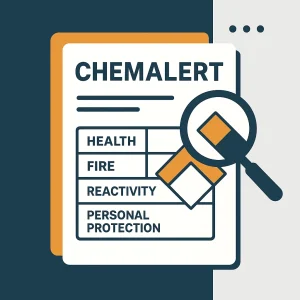
ChemAlert labels provide a systematic approach to chemical hazard communication through GHS compliant visual coding. The system uses color-coded labels (green, amber, red) that instantly communicate hazard levels while integrating seamlessly with Safety Data Sheets and chemical management software.
Effective chemical labeling forms the foundation of workplace safety compliance.
The challenge? Most organizations struggle with outdated labeling systems that don’t meet current GHS standards or integrate with modern chemical inventory management.
This guide explains how ChemAlert labels work, their color-coding system, compliance features, and practical implementation strategies. You’ll understand label formats, printing options, and integration with chemical management platforms.
What Are ChemAlert Labels?
ChemAlert labels are specialized chemical identification tags designed for workplaces handling hazardous chemicals. The system provides standardized labeling that meets GHS compliance requirements while offering practical usability features.
The labels serve multiple purposes beyond basic identification. They communicate hazard levels, reference corresponding Safety Data Sheets, and provide critical safety information at a glance.
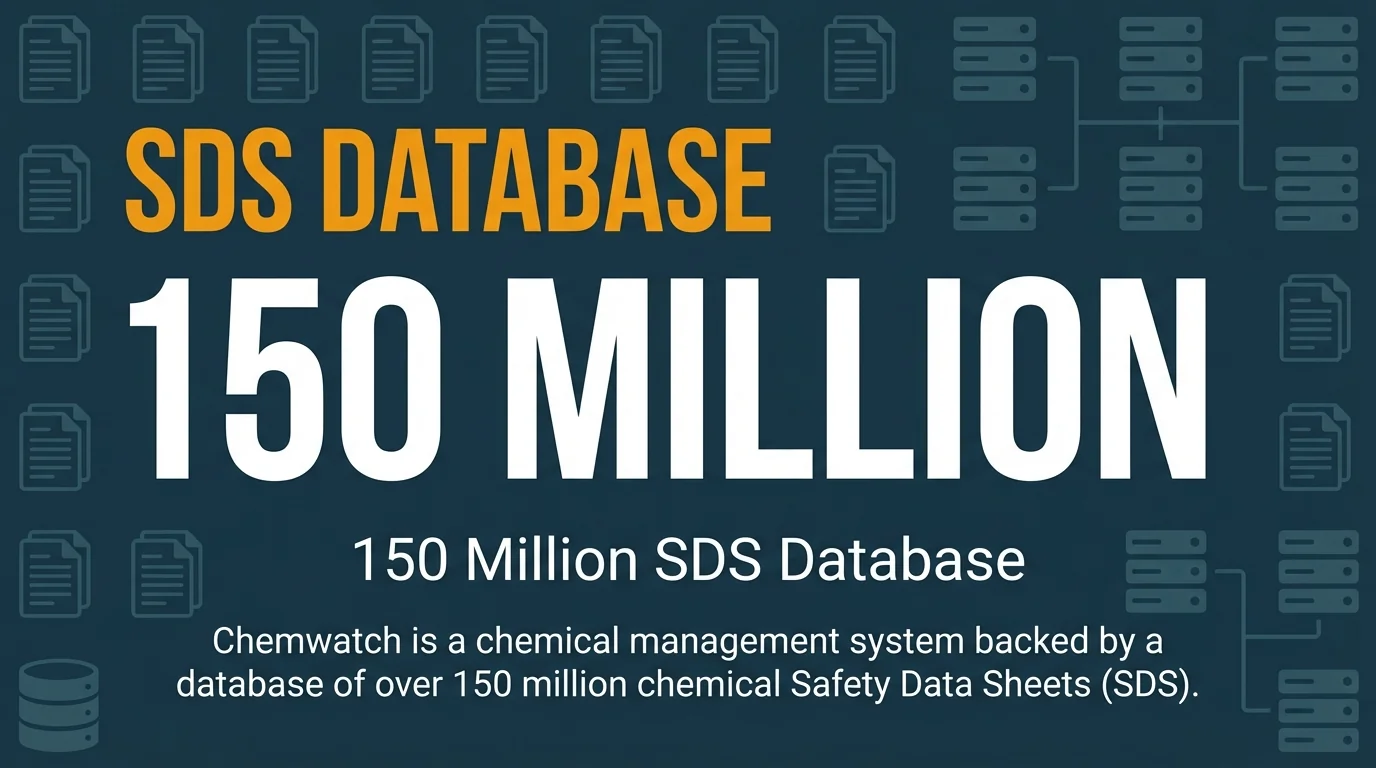
ChemAlert integrates with broader chemical management systems. Chemwatch is a chemical management system backed by a database of over 150 million chemical Safety Data Sheets (SDS), supporting comprehensive chemical regulatory compliance.
The system is designed for users who handle, store, or work near hazardous chemicals. This includes laboratory technicians, warehouse personnel, manufacturing operators, and safety managers.
ChemAlert labels connect physical chemical containers with digital Safety Data Sheets. Users can search for a chemical and print relevant labels that match their SDS database entries.
Primary Functions of ChemAlert Labels
The labels provide immediate hazard recognition through standardized visual elements. This includes GHS pictograms, signal words, and hazard statements.
They facilitate inventory management by linking physical containers to chemical management software databases. Each label contains information that connects to detailed SDS documentation.
The system supports regulatory compliance by ensuring labels meet current GHS standards. This helps organizations maintain workplace safety requirements and pass regulatory audits.
Key Components of ChemAlert Labels
Each label contains standardized information fields. Product identifiers specify the chemical name and relevant identifiers.
GHS pictograms communicate specific hazard types through universally recognized symbols. Signal words (Danger or Warning) indicate hazard severity.
Hazard statements describe the nature and degree of chemical risks. Precautionary statements provide guidance on safe handling, storage, and emergency response.
Supplier identification information appears on compliant labels. This includes manufacturer details and emergency contact numbers.
ChemAlert Color-Coded Labeling System
The color-coded system provides instant visual hazard communication. This approach supplements detailed GHS information with intuitive color recognition.
ChemAlert uses a three-tier color system: green, amber, and red. Each color represents a different hazard level, allowing rapid risk assessment.
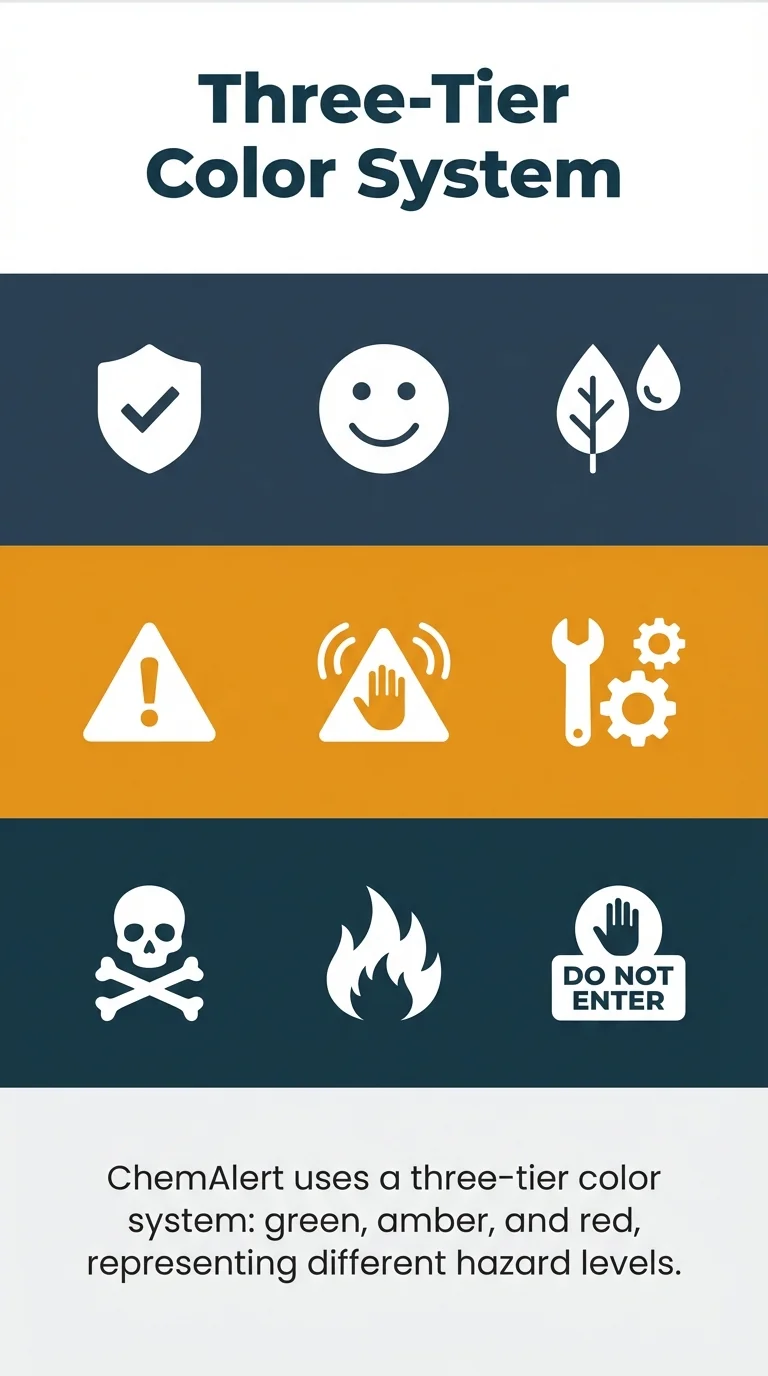
Green labels indicate lower-hazard chemicals. These substances present minimal risks when handled according to standard safety procedures.
Amber labels mark moderate-hazard chemicals. These require specific precautions and protective equipment during handling and storage.
Red labels designate high-hazard chemicals. These substances demand stringent safety protocols and specialized handling procedures.
How the Color-Coding System Works
The color assignments align with GHS hazard classifications. The system evaluates multiple factors including toxicity, flammability, reactivity, and environmental hazards.
Chemical management software automatically assigns appropriate colors based on SDS data. This eliminates subjective interpretation and ensures consistent hazard communication.
The visual system works alongside detailed label information. Color coding provides immediate recognition while complete label text offers specific guidance.
| Color Code | Hazard Level | Typical Applications |
|---|---|---|
| Green | Low Hazard | General cleaning supplies, mild detergents |
| Amber | Moderate Hazard | Solvents, some acids, reactive substances |
| Red | High Hazard | Toxic materials, strong acids/bases, carcinogens |
Benefits of Visual Hazard Communication
Color-coded labels reduce response time during emergencies. Personnel can quickly identify high-hazard areas without reading detailed text.
The system supports multilingual workplaces. Visual color recognition transcends language barriers that might hinder text-based communication.

New employees grasp the system quickly. Simple color associations (green for safe, red for dangerous) align with intuitive understanding.
GHS Compliance and ChemAlert Labels
The Globally Harmonized System standardizes chemical classification and labeling worldwide. ChemAlert labels incorporate GHS requirements into their design structure.
GHS compliance ensures consistent hazard communication across different regions and industries. This standardization reduces confusion and improves workplace safety globally.
ChemAlert labels include all mandatory GHS elements. Product identifiers, hazard pictograms, signal words, hazard statements, and precautionary statements appear in standardized formats.
GHS Pictogram Integration
ChemAlert labels display appropriate GHS pictograms based on chemical classifications. These standardized symbols communicate specific hazard types.
The system automatically selects correct pictograms from SDS data. This eliminates manual interpretation errors and ensures accurate hazard communication.
Multiple pictograms may appear on a single label when chemicals present various hazards. The arrangement follows GHS hierarchy and precedence rules.
Automated Classification Features
Chemical management software performs automated hazard classification. The system analyzes SDS information against GHS criteria.
This automation ensures consistent application of classification rules. Human interpretation variability gets eliminated through systematic evaluation.
Regular updates maintain compliance with evolving GHS standards. Software platforms incorporate new requirements as regulations change.
Regulatory Alignment
ChemAlert labels support compliance with multiple regulatory frameworks. The system accommodates variations in regional GHS implementation.
Organizations can generate labels that meet specific jurisdictional requirements. This flexibility supports multinational operations with varying compliance needs.
Audit trails document label creation and updates. This record-keeping supports regulatory inspections and internal compliance verification.
ChemAlert Label Formats and Materials
ChemAlert labels come in various physical formats to suit different application needs. Understanding available options helps organizations select appropriate solutions.
Label formats vary by size, layout, and printing configuration. Common formats include multiple labels per sheet for efficient printing.
Standard configurations include A4 sheets with 1, 2, 4, or 8 labels per page. This variety accommodates different container sizes and labeling volume requirements.
Paper Label Options
Paper labels provide cost-effective solutions for standard applications. These work well for indoor environments with minimal exposure to moisture or chemicals.
The paper stock accepts various printing technologies. Standard laser and inkjet printers can produce quality ChemAlert labels on appropriate paper materials.
Paper labels suit temporary labeling needs or situations requiring frequent label updates. Their lower cost makes regular replacement economically practical.
Vinyl Label Solutions
Vinyl labels offer superior durability for demanding environments. The material resists moisture, chemicals, and physical abrasion better than paper alternatives.
These labels maintain readability in challenging conditions. Outdoor storage, high-humidity areas, and chemical exposure environments benefit from vinyl construction.
Vinyl labels typically cost more than paper options. Organizations balance durability requirements against budget considerations when selecting materials.
Printing Considerations
Label printing requires compatible materials and printer configurations. Organizations should verify printer specifications match chosen label formats.
Print quality affects label legibility and compliance. Clear pictograms, readable text, and accurate colors require appropriate printing equipment.
Many organizations use dedicated label printers for consistent output. These specialized devices handle various materials and produce durable results.
| Format | Best Use Case | Material Options |
|---|---|---|
| 1 per sheet | Large containers, drums | Paper or vinyl |
| 2 per sheet | Medium containers, bottles | Paper or vinyl |
| 4 per sheet | Small bottles, laboratory containers | Paper primarily |
| 8 per sheet | Very small containers, sample vials | Paper primarily |
Integration with Chemical Management Software
ChemAlert labels function as part of broader chemical management systems. Integration between physical labels and digital databases enhances safety and compliance.
Chemical management software maintains centralized Safety Data Sheets repositories. The system links each chemical inventory item to corresponding SDS documentation.
Label generation connects directly to this database. When printing labels, the software pulls current information from SDS records automatically.
SDS Database Connectivity
The integration ensures labels reflect current safety information. When SDS documents update, the system can flag affected labels for reprinting.
Centralized databases eliminate duplicate data entry. Chemical information exists in one authoritative source that feeds multiple applications.
Search functionality allows users to locate chemicals quickly. Personnel can find the correct chemical entry and generate appropriate labels efficiently.
Chemical Inventory Management
Integrated systems track chemical inventory alongside labeling. Organizations maintain records of quantities, locations, and expiration dates.
The software can generate inventory reports showing chemical distribution across facilities. This visibility supports safety planning and regulatory reporting.
Automated alerts notify relevant personnel about inventory changes. Low stock warnings, expiration notifications, and movement tracking improve oversight.
Risk Assessment Capabilities
Chemical management platforms often include risk assessment tools. These analyze hazards present in specific work areas or processes.
The system aggregates information from multiple chemicals to evaluate cumulative risks. This helps identify high-hazard areas requiring additional controls.
Risk assessments inform safety procedures and emergency response planning. Understanding chemical hazards present enables appropriate protective measures.
Benefits of ChemAlert Labels for Workplace Safety
Implementing ChemAlert labels delivers multiple workplace safety advantages. The systematic approach to chemical labeling reduces risks and improves compliance.
Standardized labeling ensures consistent hazard communication. Personnel encounter the same information format regardless of chemical or location.
The color-coded system accelerates hazard recognition. Workers identify high-risk substances quickly, even from a distance.
Enhanced Emergency Response
Clear labeling supports faster emergency response. First responders and safety personnel quickly identify chemicals involved in incidents.
GHS pictograms communicate hazard types without requiring detailed reading. This rapid communication proves critical during emergencies.
The connection to SDS databases provides immediate access to detailed safety information. Emergency responders can retrieve comprehensive data quickly.
Improved Regulatory Compliance
ChemAlert labels help organizations meet regulatory requirements. The system incorporates GHS standards and supports compliance documentation.
Automated label generation reduces compliance errors. Software-driven processes ensure consistent application of regulatory requirements.
Audit trails document labeling activities. Organizations can demonstrate compliance efforts during regulatory inspections.
Reduced Workplace Incidents
Effective labeling contributes to accident prevention. Clear hazard communication helps personnel handle chemicals appropriately.
The visual system reduces human error in chemical identification. Color coding provides an additional layer of safety beyond text labels.
Consistent labeling across facilities creates safer work environments. Personnel working at multiple locations encounter familiar labeling systems.
How to Order and Print ChemAlert Labels
Implementing ChemAlert labels requires understanding procurement and printing processes. Organizations have several options for obtaining and producing labels.
Pre-printed labels can be ordered from suppliers. These arrive ready to apply, requiring only appropriate chemical identification before use.
Print-on-demand approaches offer greater flexibility. Organizations print labels as needed using chemical management software and appropriate printing equipment.
Selecting Label Suppliers
Multiple suppliers offer ChemAlert-compatible labels. Research options based on format requirements, material preferences, and volume needs.
Consider supplier support services beyond product delivery. Technical assistance, compliance guidance, and integration support add value.
Review pricing structures carefully. Volume discounts, material options, and customization capabilities affect total costs.
Setting Up In-House Printing
In-house printing requires appropriate software and hardware. Chemical management platforms typically include label printing functionality.
Select printers compatible with chosen label materials. Verify specifications match intended paper or vinyl stock requirements.
Establish printing procedures that ensure quality output. Regular maintenance, proper material storage, and quality checks maintain label standards.
Creating Effective Labeling Workflows
Develop systematic processes for label creation and application. Clear procedures ensure consistent labeling practices across the organization.
Assign responsibility for label management. Designated personnel should oversee printing, application, and regular label updates.
Schedule periodic label reviews. Regular inspections identify damaged labels requiring replacement and ensure ongoing compliance.
- Identify chemicals requiring labeling through inventory audits
- Generate labels using chemical management software connected to SDS databases
- Print labels on appropriate materials using compatible equipment
- Apply labels following standardized placement procedures
- Document labeling activities for compliance records
ChemAlert vs Other Chemical Labeling Systems
Multiple chemical labeling approaches exist in the market. Understanding how ChemAlert compares helps organizations make informed decisions.
Traditional labeling systems often rely on manual label creation. Personnel write or type chemical information onto generic label templates.
ChemAlert automates much of this process. Software-driven label generation reduces errors and ensures GHS compliance automatically.
Key Differentiators
The color-coded system distinguishes ChemAlert from basic GHS labels. This additional visual layer enhances rapid hazard recognition.
Integration with chemical management software sets ChemAlert apart from standalone labeling solutions. The connected approach ensures data consistency.
Automated classification features reduce manual interpretation requirements. ChemAlert systems analyze SDS data to determine appropriate labeling elements.
Implementation Considerations
Organizations should evaluate their specific chemical management needs. Factors include chemical inventory size, regulatory requirements, and existing systems.
Consider integration requirements with current chemical management platforms. Compatible systems provide greater value through seamless data sharing.
Assess staff training requirements for different labeling approaches. User-friendly systems reduce implementation time and ongoing support needs.
| Feature | ChemAlert Approach | Benefit |
|---|---|---|
| Hazard Communication | Color-coded visual system plus GHS elements | Faster recognition, multilingual support |
| Label Creation | Automated generation from SDS database | Reduced errors, time savings |
| Compliance | Built-in GHS standards, automated updates | Consistent compliance, reduced manual tracking |
| Integration | Connects with chemical management platforms | Single data source, improved accuracy |
Cost-Benefit Analysis
ChemAlert systems typically involve higher upfront costs than basic manual labeling. Software licensing, training, and equipment represent initial investments.
Long-term benefits often justify these costs. Reduced labeling time, improved compliance, and decreased incidents provide ongoing value.
Organizations should calculate total cost of ownership. Include material costs, labor time, compliance risk, and incident prevention benefits.
Moving Forward with ChemAlert Implementation
Implementing ChemAlert labels involves systematic planning and execution. Start by auditing your current chemical inventory and labeling practices.
Identify gaps between existing labels and GHS compliance requirements. This assessment reveals the scope of labeling updates needed.
Evaluate chemical management software options that support ChemAlert labeling. Look for platforms with robust SDS databases and automated classification features.
Develop an implementation timeline that accounts for training, equipment procurement, and gradual rollout. Phased approaches often work better than attempting complete transformation immediately.
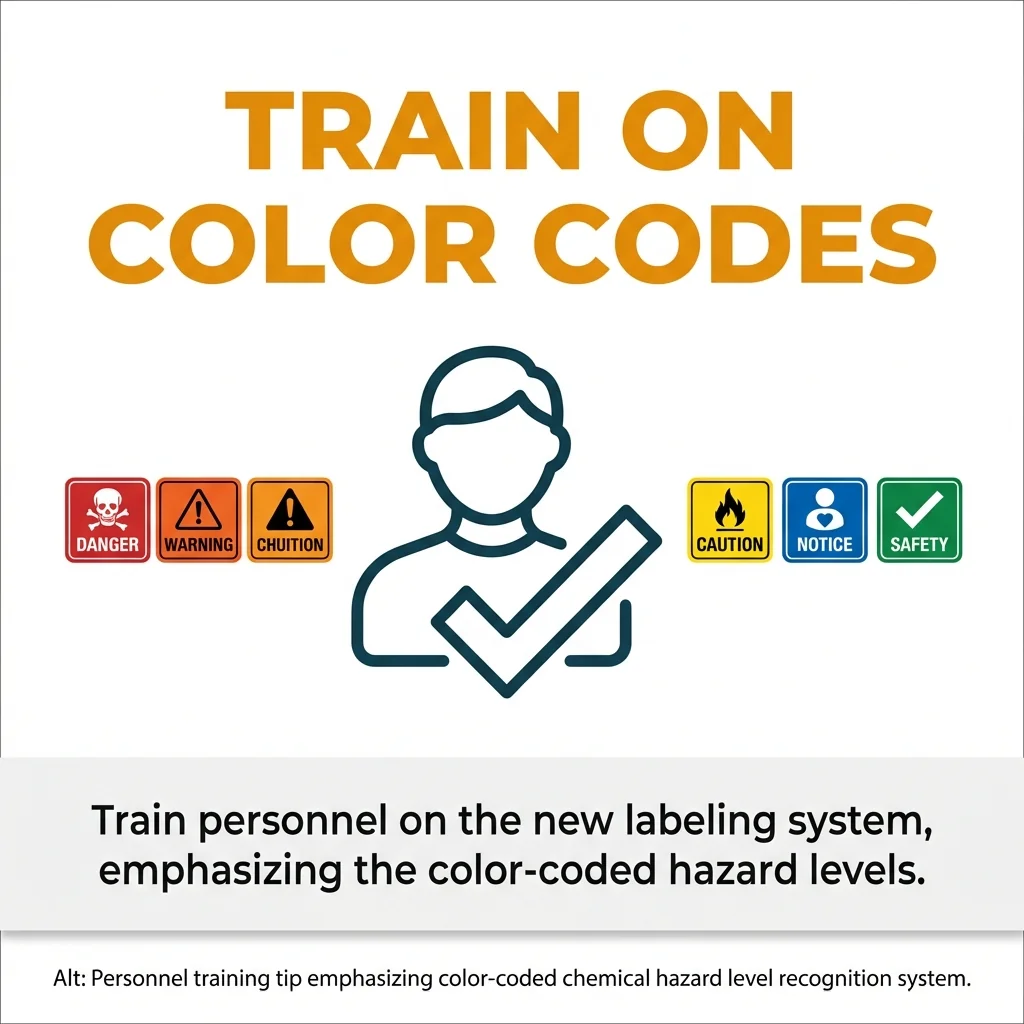
Train personnel on the new labeling system, emphasizing the color-coded hazard levels. Understanding green, amber, and red classifications ensures effective use of the system.
Monitor implementation progress and gather user feedback. Adjust procedures based on practical experience and identified challenges.
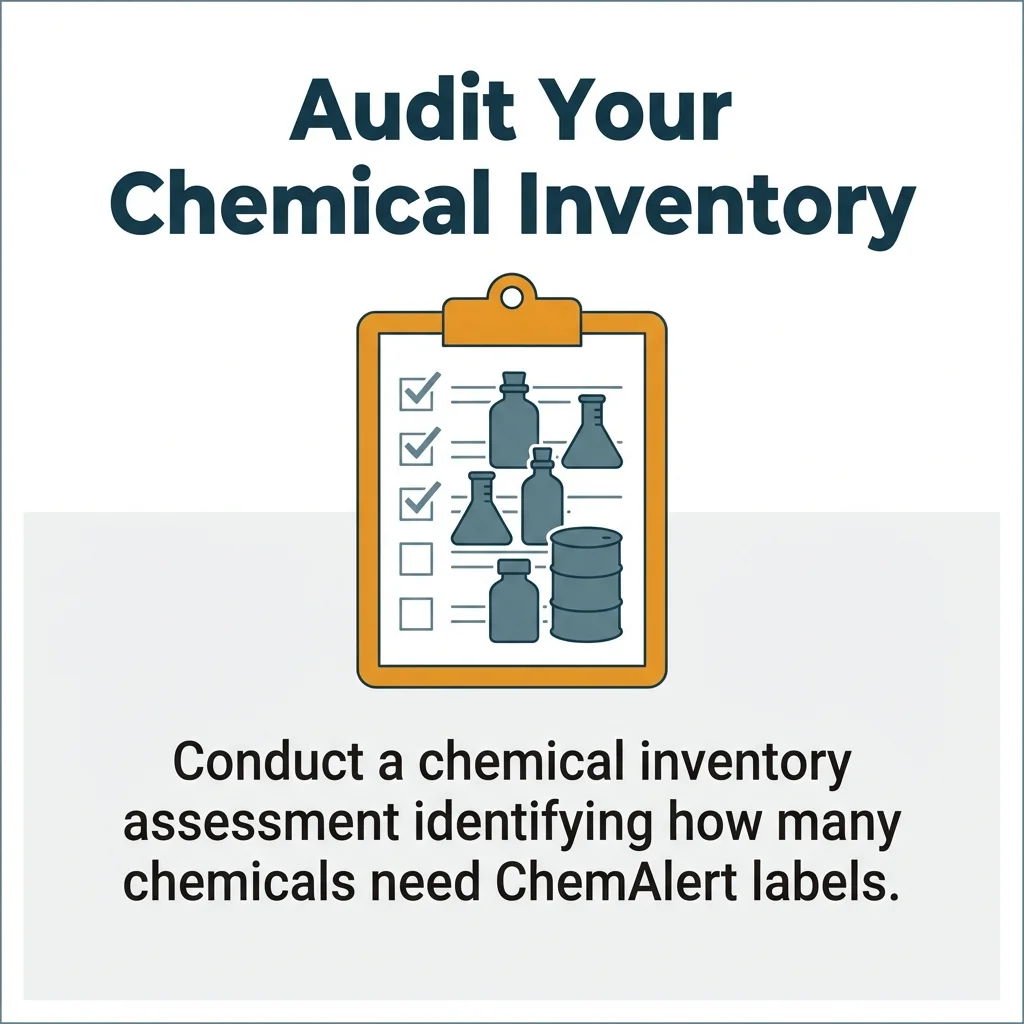
Your next step? Conduct a chemical inventory assessment identifying how many chemicals need ChemAlert labels. This quantifies your implementation scope and helps select appropriate label formats and materials.
Effective chemical labeling protects personnel, supports compliance, and reduces workplace risks. ChemAlert provides a systematic approach that combines GHS standards with practical usability features.