Procurement risk management begins with one fundamental principle: establishing clear risk criteria is the foundational step in any procurement risk mitigation program. Without measurable criteria across financial stability, operational capacity, and regulatory compliance, organizations operate blind to the threats undermining their supply chains.
The complexity of procurement risk has intensified. Supply chain disruptions, vendor financial instability, cybersecurity vulnerabilities, and compliance failures create interdependent threats that can cascade through operations. Traditional reactive approaches no longer suffice.
This guide provides a structured framework for identifying, assessing, and mitigating procurement risks systematically. You’ll discover how to build risk criteria that align with business objectives, implement ongoing supplier evaluation processes, and leverage technology for real-time monitoring. The strategies covered range from supplier diversification and contract negotiation to digital transformation and contingency planning.
Effective procurement risk management protects operational continuity, preserves financial stability, and builds supply chain resilience. Organizations that embed risk assessment into procurement workflows gain competitive advantage through proactive threat response and strategic supplier relationships.
Understanding Procurement Risk and Its Strategic Importance
Procurement risk encompasses any threat that disrupts the acquisition of goods and services required for business operations. These risks span external factors like supply chain disruptions and internal vulnerabilities including inadequate contract oversight.
The strategic importance of procurement risk management extends beyond cost control. Supply chain failures trigger production delays, customer dissatisfaction, regulatory penalties, and competitive disadvantage. A single supplier bankruptcy can halt manufacturing lines. A data breach through vendor systems can expose sensitive information.
Primary Categories of Procurement Risk
Supplier financial instability represents the first critical risk category. Vendors facing cash flow problems may fail to deliver materials or collapse entirely, leaving procurement teams scrambling for alternatives. Financial health affects payment reliability and long-term partnership viability.
Operational disruptions create the second major threat. Capacity bottlenecks, quality issues, and production delays compromise delivery schedules. Geographic concentration amplifies this risk when natural disasters or geopolitical events affect specific regions.
Compliance and regulatory violations form the third category. Suppliers who fail to meet environmental standards, labor regulations, or industry-specific requirements expose organizations to legal penalties and reputational damage. Ethical sourcing and ESG considerations have elevated compliance importance.
Cybersecurity threats represent the fourth dimension. Vendor access to systems and data creates attack vectors. Supply chain cyberattacks have increased dramatically, making security assessments essential for supplier selection.
Geographic and geopolitical risks complete the major categories. Regional instability, trade restrictions, and political tensions can sever supply routes or impose sudden regulatory changes.
Why Organizations Struggle with Procurement Risk Management
Many organizations lack systematic approaches to risk identification and assessment. Manual processes, fragmented data, and inconsistent evaluation methods prevent comprehensive visibility into supplier vulnerabilities.
The complexity of global supply chains compounds these challenges. Multiple tiers of suppliers, diverse regulatory environments, and rapid market changes create dynamic risk profiles that static assessments cannot capture.
Resource constraints limit risk management capacity. Procurement teams stretched across operational demands struggle to implement continuous monitoring and maintain updated supplier evaluations.
Establishing Clear Risk Criteria and Assessment Frameworks
Risk criteria provide the foundation for consistent supplier evaluation. These measurable parameters enable organizations to quantify threats and prioritize mitigation efforts.
Financial Stability Criteria
Financial risk criteria assess supplier viability through multiple indicators. Credit ratings provide third-party validation of financial health. Review payment histories, debt ratios, and cash flow statements to identify warning signs.
Establish thresholds for acceptable financial metrics. Define minimum credit ratings for critical suppliers. Monitor quarterly financial reports for vendors supplying high-value or strategic materials.
Financial instability indicators include delayed payments to their suppliers, frequent credit term renegotiations, and sudden leadership changes. These signals warrant immediate deeper investigation.
Operational Capability Assessments
Operational criteria evaluate supplier capacity to meet demand consistently. Production capacity, quality management systems, and delivery performance history reveal operational reliability.
Assess manufacturing capacity against your projected volume requirements. Verify backup production facilities and contingency plans. Quality certifications like ISO standards indicate systematic quality control.
On-time delivery rates over 12-24 months demonstrate consistent performance. Track defect rates, return frequencies, and responsiveness to quality issues.
Compliance and Regulatory Standards
Compliance criteria ensure suppliers meet legal and ethical requirements. Industry-specific regulations, environmental standards, and labor practices form the compliance framework.
Define mandatory certifications for your industry sector. Verify current compliance documentation and audit schedules. Establish processes to monitor regulatory changes affecting supplier operations.
Ethical sourcing criteria have gained prominence. Assess labor practices, environmental impact, and sustainability initiatives. ESG performance increasingly influences procurement decisions and stakeholder expectations.
Risk Scoring Models
Risk scoring models provide quantitative approaches to supplier evaluation. Assign numerical values to each risk criterion based on severity and likelihood.
A typical scoring framework uses weighted categories. Financial stability might receive 30% weight, operational capability 25%, compliance 20%, cybersecurity 15%, and geographic factors 10%. Adjust weights based on industry requirements and organizational priorities.
Calculate composite risk scores for each supplier. Classify vendors into risk tiers: low, medium, high, and critical. This classification drives resource allocation for monitoring and mitigation activities.
Risk matrices visualize the likelihood of disruptive events against potential operational impact. This visual tool helps compare suppliers and identify which require immediate attention.
Implementing Continuous Supplier Assessment Processes
One-time supplier evaluations provide insufficient protection against evolving risks. Continuous assessment processes enable proactive threat detection and timely intervention.
Dynamic risk monitoring moves organizations beyond static supplier audits. Real-time data collection and automated alerts identify emerging issues before they escalate to disruptions.
Embedding Risk Assessment in Procurement Workflows
Integrate risk evaluation at every procurement stage. Supplier selection, onboarding, contract renewal, and performance reviews should incorporate systematic risk checks.
During sourcing, conduct preliminary risk assessments before request for proposal distribution. Eliminate high-risk candidates early to focus resources on viable suppliers.
Onboarding processes must verify compliance documentation, financial stability, and operational capacity. Establish baseline performance expectations and monitoring parameters during this phase.
Quarterly business reviews should include risk metric updates. Monitor changes in financial health, operational performance, and compliance status. Schedule comprehensive annual risk audits for critical suppliers.
Data Collection and Monitoring Systems
Systematic data collection enables evidence-based risk assessment. Establish standardized processes for gathering financial reports, performance metrics, and compliance documentation.
Automated data feeds from financial databases, industry registries, and supplier portals reduce manual effort. Set up alerts for credit rating changes, regulatory violations, or performance threshold breaches.
Third-party risk intelligence services provide external validation and early warning signals. These services monitor news sources, regulatory filings, and market developments affecting supplier stability.
Centralized supplier databases consolidate risk information across procurement teams. This visibility prevents isolated knowledge and enables coordinated risk response.
Prioritizing Critical Suppliers
Comprehensive supplier evaluation extends beyond preferred vendors to include all participants in the supply chain. Not all suppliers warrant equal monitoring intensity.
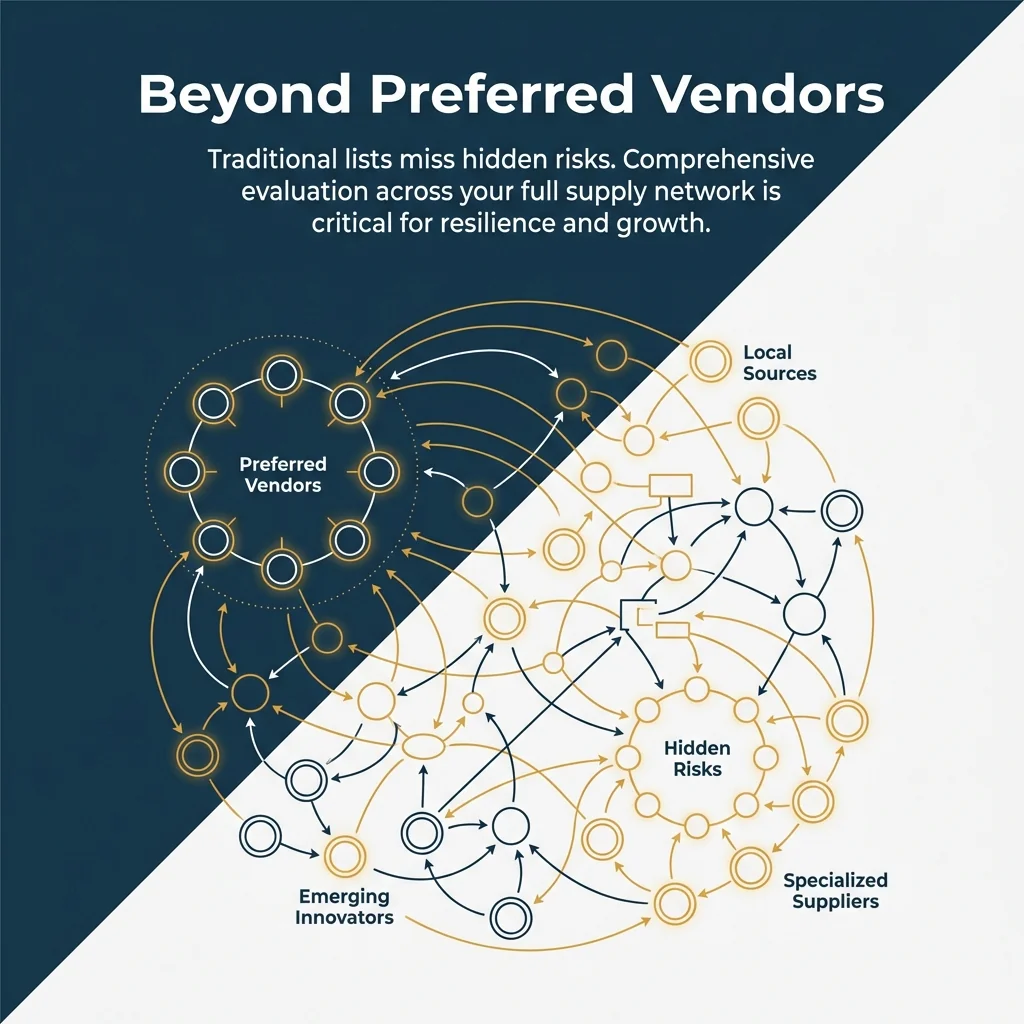
Categorize suppliers based on strategic importance and risk exposure. Critical suppliers provide unique materials, represent significant spend, or have limited alternatives. These vendors require intensive monitoring.
Strategic suppliers enable competitive advantage or support core business processes. Medium-risk suppliers provide important but replaceable materials. Tactical suppliers handle routine, low-impact purchases.
Allocate monitoring resources proportionally. Critical suppliers might receive monthly reviews, strategic suppliers quarterly assessments, and tactical vendors annual evaluations.
Eight Essential Procurement Risk Mitigation Strategies
Effective risk mitigation combines multiple strategies addressing different threat dimensions. The following eight approaches form a comprehensive risk management framework.
1. Supplier Diversification and Alternative Sourcing
Supplier diversification serves as a critical risk reduction tactic against single points of failure. Organizations dependent on sole suppliers face catastrophic disruption if that vendor experiences problems.
Develop backup suppliers for critical materials and components. Qualify at least two vendors for each strategic category. Maintain relationships through regular order placement rather than emergency activation.
Geographic diversification reduces regional risk concentration. Source from multiple countries or regions to mitigate geopolitical disruptions, natural disasters, or local regulatory changes.
Balance diversification costs against risk reduction benefits. Multiple suppliers may increase unit costs but provide insurance against supply interruptions.
2. Flexible Contract Negotiation and Terms
Flexible contract negotiation enhances organizational resilience during market volatility and unexpected disruptions. Rigid contracts create vulnerabilities when circumstances change rapidly.
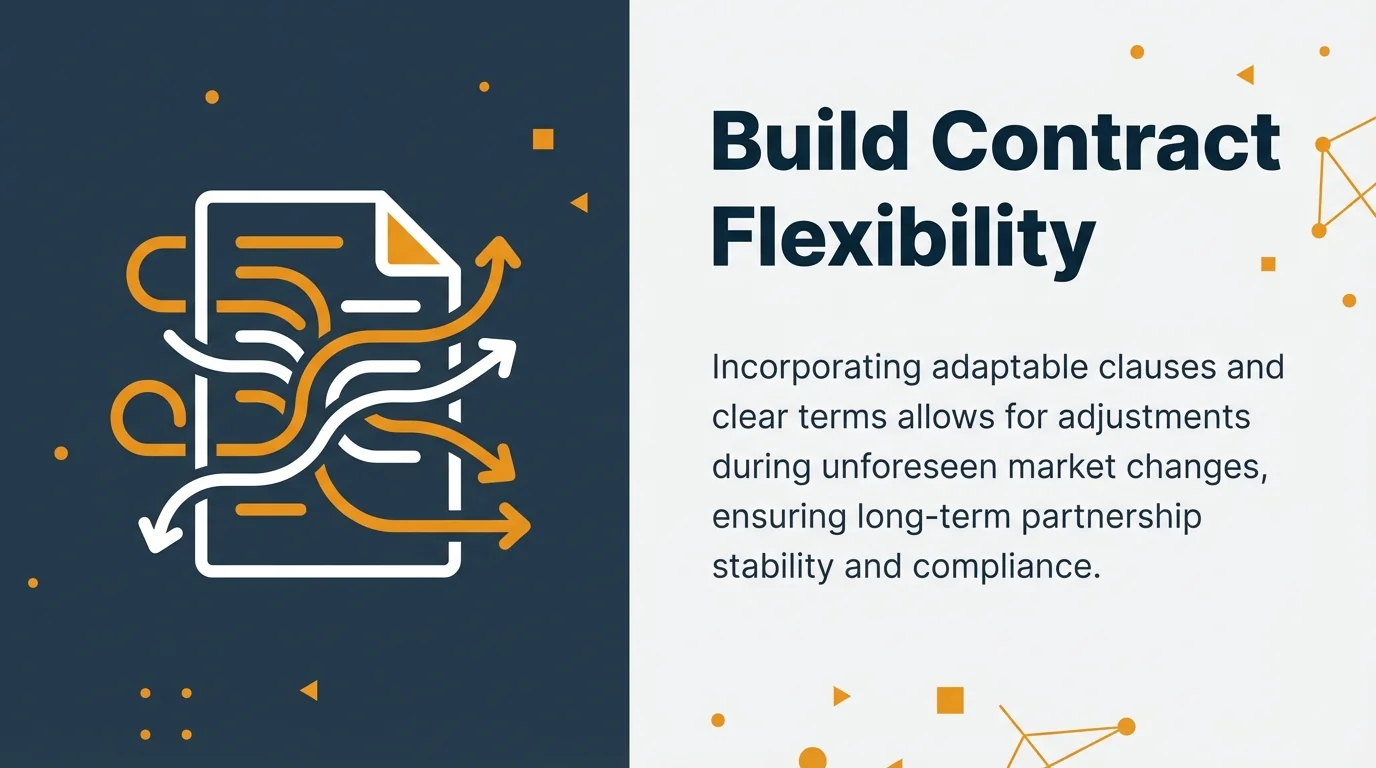
Negotiate force majeure clauses that clearly define responsibilities during extraordinary events. Specify acceptable alternative delivery methods, substitute products, or temporary suppliers.
Include performance guarantees with financial penalties for delivery failures or quality issues. Service level agreements establish measurable expectations and consequences.
Build price adjustment mechanisms that account for raw material volatility. Fixed prices expose both parties to market risk. Index-based pricing or periodic renegotiation clauses provide flexibility.
Establish exit clauses that enable contract termination with reasonable notice. This flexibility allows rapid supplier changes when risk levels become unacceptable.
3. Strong Supplier Relationship Management
Collaborative supplier relationships strengthen risk anticipation and joint mitigation efforts. Suppliers who view your organization as a valued partner provide early warnings and prioritize your orders during capacity constraints.
Regular communication beyond transactional interactions builds relationship depth. Quarterly business reviews, site visits, and joint planning sessions foster transparency.
Share demand forecasts and strategic plans with key suppliers. This visibility enables better capacity planning and reduces surprise volume spikes that strain operations.
Involve critical suppliers in product development and process improvement initiatives. This collaboration creates mutual investment in relationship success.
Recognize and reward excellent supplier performance. Awards programs, case studies, and preferential treatment for reliable vendors reinforce desired behaviors.
4. Comprehensive Contingency Planning
Contingency plans provide predefined responses to supply disruptions. Organizations with established protocols recover faster than those improvising during crises.
Develop scenario-specific response plans for common risks: supplier bankruptcy, natural disasters, cyberattacks, and quality failures. Document escalation procedures, alternative supplier contacts, and temporary workarounds.
Maintain safety stock for critical materials with long lead times or single-source suppliers. Calculate optimal inventory levels balancing carrying costs against disruption risks.
Establish emergency procurement authorities that accelerate supplier qualification and purchasing during crisis situations. Pre-approve expedited processes while maintaining essential controls.
Conduct regular contingency plan testing through tabletop exercises. Simulate disruption scenarios to validate response procedures and identify improvement opportunities.
5. Digital Transformation and Automation
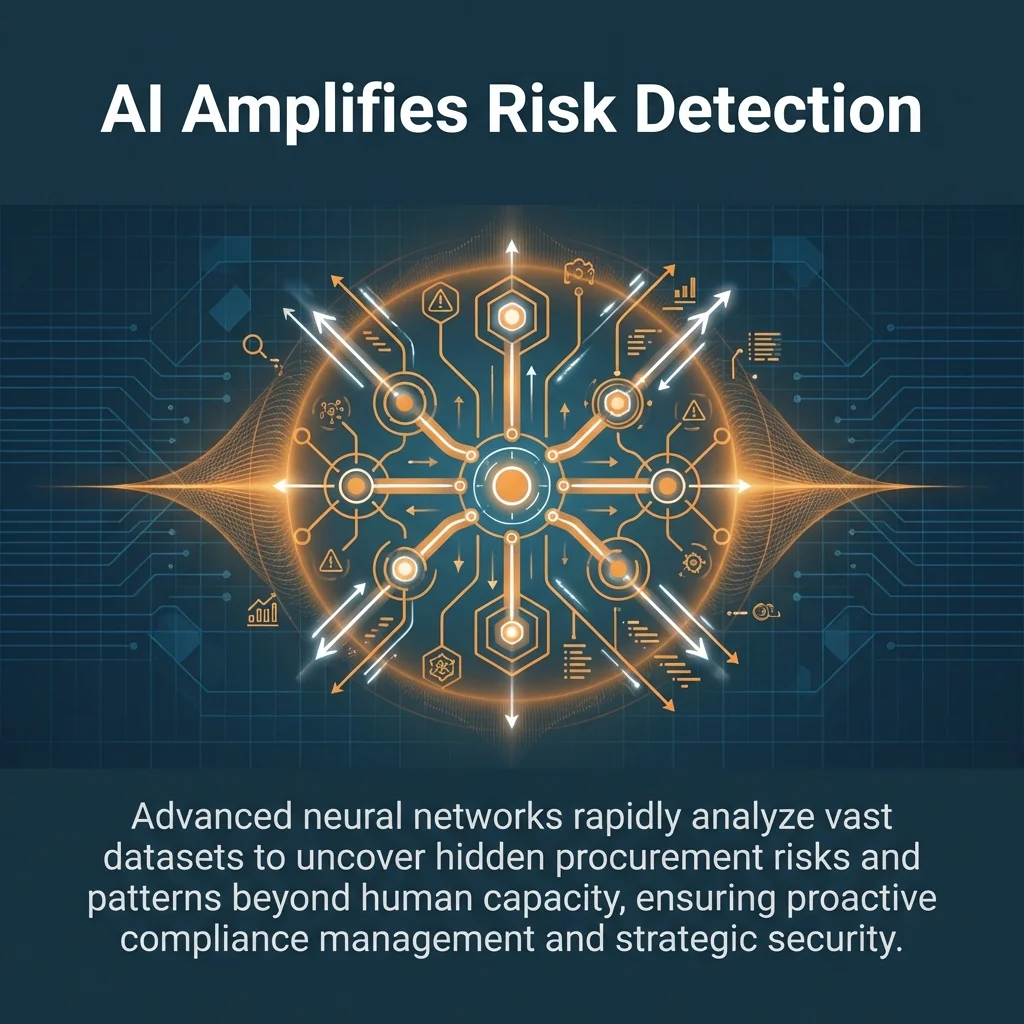
AI-enhanced procurement systems amplify risk detection and mitigation capabilities beyond manual processes. Technology enables real-time monitoring at scales impossible through human effort alone.
Procurement platforms centralize supplier information, purchase history, and performance data. This consolidation provides comprehensive visibility across the organization.
Automated workflows enforce policy compliance and approval hierarchies. Purchase requisitions automatically route through proper channels, reducing maverick spending and unauthorized suppliers.
Spend analysis tools identify concentration risks and spending patterns. Visualizations reveal over-reliance on single suppliers or geographic regions.
Predictive analytics leveraging artificial intelligence identify risk patterns before disruptions occur. Machine learning models analyze supplier performance trends, financial indicators, and external risk factors to generate early warnings.
Contract management systems track expiration dates, renewal requirements, and compliance obligations. Automated alerts prevent lapses in coverage or missed renegotiation opportunities.
6. Enhanced Compliance and Audit Programs
Systematic compliance verification protects against regulatory violations and reputational damage. Regular audits validate supplier representations and identify corrective action needs.
Schedule periodic supplier audits based on risk classification. High-risk vendors might require annual on-site inspections, while low-risk suppliers receive document reviews.
Third-party audit services provide independent verification of compliance claims. These assessments reduce internal resource requirements and offer specialized expertise.
Document audit findings and track corrective action plans. Establish deadlines for remediation and verify completion before resuming normal business.
Maintain audit trails for all procurement decisions and supplier evaluations. Documentation demonstrates due diligence during regulatory investigations or legal disputes.
7. Financial Risk Management
Price volatility threatens budget stability and profitability. Financial risk management strategies hedge against commodity fluctuations and currency movements.
Forward contracts lock in prices for future purchases, providing cost certainty. This approach works well for commodities with active futures markets.
Volume commitments in exchange for price guarantees balance risk between buyer and supplier. Long-term agreements provide stability beneficial to both parties.
Currency hedging protects against foreign exchange fluctuations in international procurement. Financial instruments offset currency risk for predictable import costs.
Cost modeling identifies price drivers and vulnerability to input changes. Understanding cost structures enables better negotiation and alternative material evaluation.
8. Quality Control and Specification Management
Quality issues disrupt operations, increase costs, and damage customer relationships. Rigorous quality control protects against defective materials and workmanship failures.
Detailed specifications eliminate ambiguity about requirements. Technical drawings, material standards, and performance parameters define acceptable quality levels.
Incoming inspection procedures verify materials meet specifications before entering production. Statistical sampling or 100% inspection depends on criticality and supplier reliability.
Supplier quality audits assess manufacturing processes, quality systems, and testing capabilities. These evaluations identify systemic issues before defects reach your facility.
Performance metrics track defect rates, return frequencies, and quality trends. Share data with suppliers and establish improvement targets.
Building Internal Procurement Risk Management Capabilities
Building internal expertise provides the foundation for effective risk management that technology alone cannot deliver. Human judgment, relationship skills, and strategic thinking remain essential.
Training and Development Programs
Comprehensive training programs embed risk consciousness into daily procurement operations. Team members must understand risk identification, assessment methodologies, and mitigation strategies.
Develop role-specific training addressing different risk dimensions. Buyers need supplier evaluation skills, category managers require strategic risk analysis capabilities, and contract administrators must understand compliance requirements.
Regular workshops keep teams updated on emerging risks, regulatory changes, and best practices. Quarterly sessions maintain awareness and reinforce learning.
Cross-functional training improves risk perspective. Procurement professionals benefit from understanding finance, operations, legal, and quality considerations.
Risk Management Roles and Responsibilities
Clear accountability ensures risk management receives consistent attention. Assign specific risk management responsibilities within procurement teams.
Designate risk champions for major supplier categories. These individuals monitor category-specific risks, coordinate mitigation efforts, and report status to leadership.
Establish risk committees that review high-priority risks monthly. Cross-functional membership brings diverse perspectives and ensures coordinated responses.
Define escalation protocols for emerging risks. Specify thresholds triggering executive notification and intervention.
Continuous Improvement and Learning
Post-disruption analysis captures lessons from risk events. Document what happened, how the organization responded, and improvements needed.
Share case studies across the organization. Lessons from one category often apply to others. Transparency about failures drives improvement.
Benchmark risk management practices against industry leaders. Professional associations, conferences, and peer networks provide insights into emerging approaches.
Update risk frameworks regularly based on experience and changing business conditions. Static methodologies become obsolete as risks evolve.
Technology Solutions for Procurement Risk Management
Technology platforms transform procurement risk management from reactive firefighting to proactive strategic advantage. Digital tools provide capabilities impossible through manual processes.
Procurement Risk Management Platforms
Specialized platforms integrate risk assessment, monitoring, and mitigation capabilities. These systems consolidate supplier data, automate evaluations, and generate risk dashboards.
Leading platforms offer supplier risk scoring based on financial data, news monitoring, and performance metrics. Automated updates maintain current risk profiles without manual data collection.
Alert systems notify stakeholders when risk thresholds are breached. Immediate notification enables rapid response before situations deteriorate.
Workflow automation routes high-risk suppliers through enhanced approval processes. Additional scrutiny applies automatically based on risk classification.
Supply Chain Visibility Solutions
End-to-end visibility platforms track materials from origin through delivery. Real-time monitoring identifies disruptions early and enables proactive response.
Track and trace capabilities show exactly where materials are in the supply chain. Delays become visible immediately rather than at expected delivery time.
Multi-tier visibility extends beyond direct suppliers to sub-tier vendors. Hidden dependencies and concentration risks emerge through comprehensive mapping.
Artificial Intelligence and Predictive Analytics
AI technologies analyze vast datasets to identify risk patterns and predict future issues. Machine learning models detect anomalies and trends invisible to human analysts.
Natural language processing monitors news sources, social media, and regulatory announcements for supplier-related developments. Automated sentiment analysis flags negative trends.
Predictive models forecast supplier performance based on historical patterns and external factors. Early warning systems recommend preemptive action.
Integration with Enterprise Systems
Risk management platforms must integrate with ERP systems, financial software, and procurement applications. Seamless data flow eliminates manual transfers and ensures consistency.
API connections enable real-time data synchronization between systems. Purchase orders, receipts, and payments flow automatically, maintaining current supplier performance data.
Single sign-on reduces access complexity and improves user adoption. Unified interfaces consolidate information from multiple systems.
Creating a Sustainable Risk Management Framework
Sustainable risk management requires embedded processes, consistent execution, and continuous refinement. Ad-hoc efforts provide temporary improvements but fail during the next crisis.
Governance Structure
Executive sponsorship ensures risk management receives necessary resources and authority. Senior leadership must champion risk initiatives and hold teams accountable.
Governance committees establish policies, review major risks, and approve mitigation investments. Monthly or quarterly meetings maintain focus and drive progress.
Clear policies document risk tolerance levels, mandatory procedures, and decision authorities. Written standards eliminate ambiguity and ensure consistency.
Performance Metrics and Reporting
Risk management metrics track program effectiveness and highlight improvement opportunities. Measurement drives accountability and enables informed resource allocation.
Key performance indicators might include percentage of suppliers assessed, risk score distribution, mitigation plan completion rates, and disruption frequency.
Dashboard reporting provides executive visibility without overwhelming detail. Visual presentations communicate status quickly and highlight exceptions requiring attention.
Regular reporting cadences keep risk management visible. Monthly updates to leadership and quarterly board presentations maintain organizational focus.
Integration with Strategic Planning
Risk management informs strategic decisions about supplier relationships, category strategies, and make-versus-buy choices. Risk considerations must influence rather than follow procurement strategies.
Category strategy development should begin with risk assessment. Understanding vulnerabilities shapes sourcing approaches and supplier selection criteria.
Investment decisions weigh risk reduction benefits. Supplier development programs, safety stock, and technology implementations require risk-adjusted return analysis.
Long-term supplier partnerships consider risk profiles alongside cost and quality factors. Strategic relationships require acceptable risk levels.
Frequently Asked Questions
What are the most critical risks in procurement today?
The five major procurement risks are supplier financial instability, operational disruptions including capacity constraints, compliance and regulatory violations, cybersecurity threats, and geographic concentration combined with geopolitical issues. Each threatens supply chain continuity differently and requires specific mitigation approaches.
How often should organizations conduct supplier risk assessments?
Assessment frequency depends on supplier criticality and risk level. High-risk critical suppliers warrant quarterly reviews. Medium-risk strategic suppliers should receive semi-annual assessments. Low-risk tactical suppliers may only need annual evaluations. Trigger events like financial downgrades or quality failures require immediate reassessment regardless of schedule.
Can small organizations implement effective procurement risk management?
Resource-constrained organizations can implement scaled risk management approaches. Focus initially on critical suppliers representing the highest spend or greatest operational impact. Use simplified risk scoring models and leverage third-party data services. Even basic supplier diversification and documented contingency plans provide significant protection. Technology platforms increasingly offer affordable options for smaller buyers.