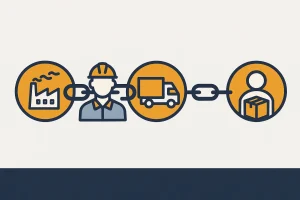
Transport operators face a stark reality. Australian law demands every supply chain party prevents fatigue breaches. Yet many compliance platforms only track hours, leaving mass limits, load security, and contractor oversight as manual nightmares.
Real CoR compliance requires more than an electronic work diary.
After 25 years in logistics and guiding hundreds of Australian operators through Heavy Vehicle National Law obligations, I’ve seen what separates basic fatigue monitoring from true compliance management. The difference often determines whether operators face prosecution or pass audits with confidence.
This comparison examines what makes a Chain of Responsibility platform effective. You’ll learn how automated alerts differ from passive reporting, why contractor management determines audit success, and which features protect against the breaches transport operators face daily.
By the end, you’ll know precisely which capabilities matter when comparing CoR platforms for your fleet.
Understanding Chain of Responsibility Software in Australian Transport
Chain of Responsibility software manages legal obligations under the Heavy Vehicle National Law.
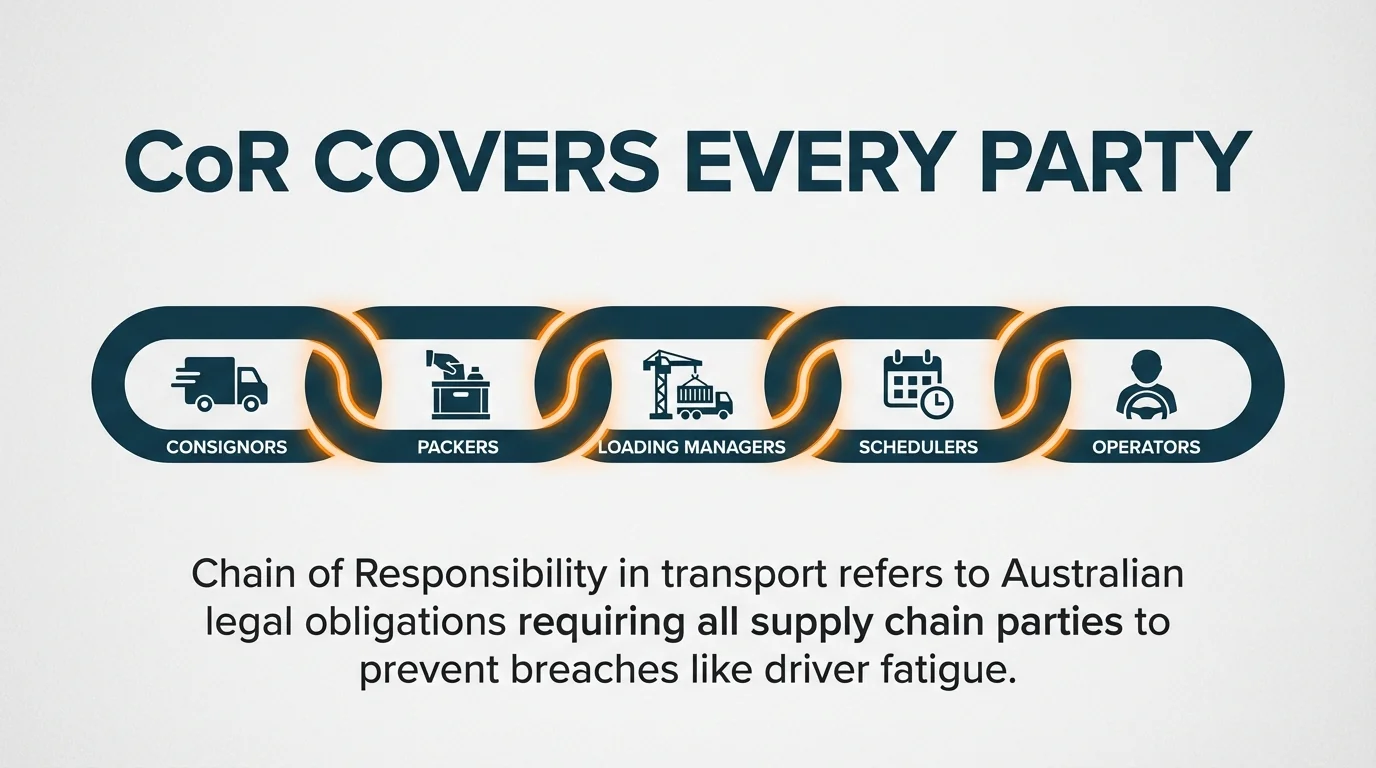
Chain of Responsibility in transport refers to Australian legal obligations requiring all supply chain parties to prevent breaches like driver fatigue. Every party in the supply chain shares responsibility: consignors, packers, loading managers, schedulers, and operators.
Traditional compliance relied on paper logbooks and manual checks. This approach failed to prevent breaches because problems surfaced only after they occurred.
Modern CoR platforms shift compliance from reactive to proactive. They monitor risks continuously, alert managers before breaches happen, and maintain audit trails automatically.
The Evolution from Manual Compliance to Automated Platforms
Manual compliance consumed hours daily. Schedulers checked paper logs, transport managers phoned drivers about hours, and administrators compiled breach reports manually.
Electronic work diaries introduced the first automation layer. Electronic work diaries integrate GPS and fatigue monitoring, essential for basic fatigue management under Australian heavy vehicle laws.
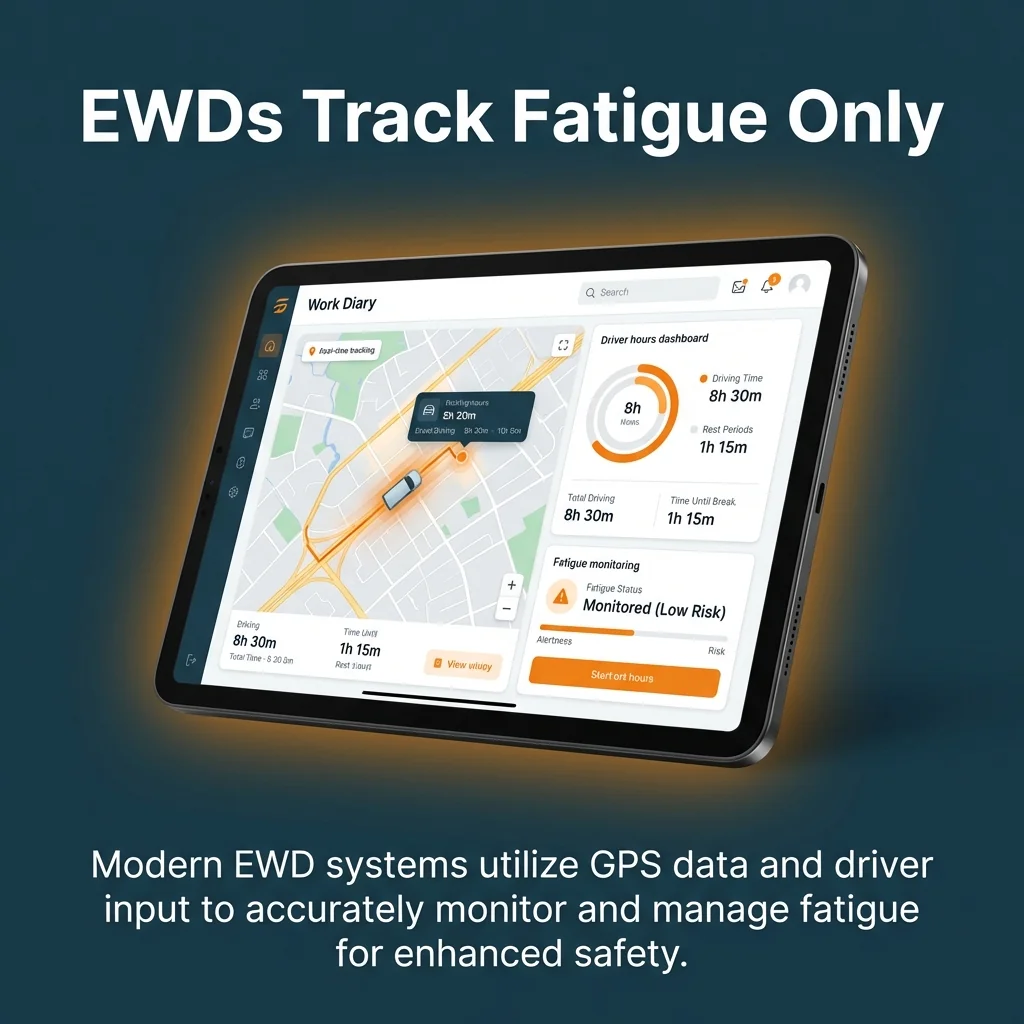
But EWDs alone don’t address the full CoR scope. They track driver hours brilliantly but leave mass management, load restraint, vehicle maintenance, and contractor oversight as separate systems.
Comprehensive CoR platforms integrate every obligation into one system. They connect fatigue monitoring with mass limits, link contractor credentials to job assignments, and tie vehicle defects to scheduling decisions.
Why CoR Software Matters for Compliance and Risk Management
Australian courts prosecute CoR breaches severely. Fines reach hundreds of thousands of dollars, and directors face personal liability when systems fail.
Software reduces this exposure through continuous monitoring. Instead of discovering a fatigue breach when police conduct a roadside check, operators receive alerts hours earlier when a driver approaches work limits.
Audit success depends on documentation quality. Platforms create automatic records of every compliance decision, showing regulators that operators took reasonable steps to prevent breaches.
This documentation proves invaluable during investigations. Rather than reconstructing decisions from memory, operators present timestamped records of alerts sent, actions taken, and risk assessments completed.
Core Features Every CoR Platform Must Deliver
Essential capabilities separate effective platforms from inadequate ones.
Start with automated fatigue monitoring that goes beyond basic hour tracking. The system must calculate cumulative fatigue across work cycles, flag drivers approaching limits, and prevent breaches through scheduling restrictions.
Real-Time Alerts for Fatigue and Compliance Risks
Alerts determine whether platforms prevent breaches or simply record them.
Effective alerts reach decision-makers before problems escalate. When a driver exceeds safe work hours in three days, schedulers need notification immediately, not during next week’s compliance review.
Alert thresholds must be configurable. Some operators want warnings at 80% of work limits, others at 90%. The platform should accommodate both preferences.
Multiple notification channels matter too. Text messages work when schedulers drive. Email suits office environments. Dashboard alerts help compliance managers monitor overall risk.
Alert history creates audit trails. Regulators want proof that operators received warnings and took action. Platforms should log every alert sent, who received it, and what response occurred.
Mass and Load Management Integration
Fatigue monitoring alone addresses only one CoR obligation.
Mass management prevents overloading breaches. Platforms should track vehicle capacities, calculate load weights from consignment data, and flag potential mass limit violations before dispatch.
Integration with weighbridge data strengthens this capability. When actual weights differ from calculated estimates, the system learns and improves future predictions.
Load restraint tracking completes the picture. Recording restraint types, inspection dates, and compliance checks ensures every load leaves premises properly secured.
Contractor and Subcontractor Oversight
Operators remain liable for contractor breaches.
Effective platforms verify contractor credentials before job assignments. They check licence validity, training currency, and insurance coverage automatically.
Expiry tracking prevents using contractors with lapsed credentials. When a driver’s fatigue management accreditation expires next week, the system blocks future job assignments and alerts the contractor.
Performance monitoring identifies high-risk contractors. Those with frequent speeding alerts, harsh braking incidents, or maintenance delays receive additional oversight.
Contract terms enforcement ensures agreed service levels. When contracts specify maximum turnaround times, platforms flag violations and trigger review processes.
Advanced Capabilities That Separate Leading Platforms
Basic compliance monitoring meets minimum obligations. Leading platforms provide strategic advantages.
Consider dynamic risk assessment that evaluates multiple factors simultaneously. Instead of treating fatigue, mass, and maintenance as separate concerns, advanced systems calculate cumulative risk scores.
Predictive Analytics for Breach Prevention
Historical patterns reveal future risks.
Platforms that analyse past breaches identify recurring problems. If Friday afternoon dispatches consistently push drivers near work limits, the system flags this pattern and suggests schedule modifications.
Seasonal trends matter too. School holiday periods increase traffic congestion, extending journey times and creating fatigue risks. Predictive analytics adjust scheduling recommendations accordingly.
Driver behaviour patterns indicate fatigue before breaches occur. Increased harsh braking, lane departures, or speed fluctuations suggest tiredness. Advanced platforms correlate these indicators with work hours and recommend rest breaks.
Audit Management and Regulatory Reporting
Audit success depends on rapid evidence production.
Leading platforms maintain audit-ready documentation continuously. When regulators request records for a specific period, operators generate comprehensive reports within minutes.
Pre-built report templates address common regulatory requests. Standard formats for fatigue management plans, breach registers, and training records ensure consistent, professional responses.
Version control tracks document changes. Regulators often question when policies changed. Platforms should show exactly what version applied at any given date.
Automated compliance certificates prove system functionality. Independent verification that monitoring systems operated correctly throughout the audit period strengthens defence against prosecution.
Mobile Access for Drivers and Field Personnel
Compliance happens on the road, not just in offices.
Mobile apps let drivers complete pre-start checks, report defects, and acknowledge compliance alerts from vehicles. This real-time data entry eliminates paperwork delays.
Offline functionality maintains compliance when mobile coverage drops. The app caches data and syncs automatically when connectivity returns.
Push notifications reach drivers immediately. When dispatch schedules change or urgent maintenance issues arise, drivers receive updates instantly.
Driver fatigue self-assessment tools empower individuals to flag concerns. When drivers feel too tired to continue safely, apps provide simple ways to request relief without supervisor conversations.
Comparing Platform Architectures and Integration Capabilities
Technical architecture determines long-term platform viability.
Cloud-based systems offer advantages over on-premises installations. They update automatically, scale effortlessly, and enable access from anywhere.
Cloud vs On-Premises Deployment Models
Cloud platforms eliminate infrastructure management.
Operators avoid server purchases, software updates, and backup management. Providers handle these tasks, ensuring continuous availability and security.
Cost structures differ significantly. Cloud services charge monthly subscriptions based on usage. On-premises systems require large upfront investments plus ongoing maintenance expenses.
Disaster recovery proves simpler with cloud platforms. Data replication across multiple locations protects against hardware failures or natural disasters.
However, some operators prefer on-premises control. Concerns about data sovereignty or internet reliability drive this preference despite higher costs.
Integration with Existing Transport Management Systems
Isolated systems create compliance gaps.
CoR platforms must connect with transport management systems, accounting software, and customer ordering portals. Integration eliminates duplicate data entry and ensures consistency.
API availability determines integration ease. Well-documented APIs let operators connect platforms with minimal custom development.
Standard integration options accelerate implementation. Pre-built connectors for popular TMS platforms reduce setup time from months to weeks.
Data synchronisation frequency affects compliance accuracy. Real-time integration ensures scheduling decisions reflect current driver hours, vehicle status, and load requirements.
Electronic Work Diary Compatibility and Data Sharing
EWD integration forms the compliance foundation.
Platforms should support multiple EWD brands. Operators often use different devices across various fleet segments. Universal compatibility avoids forced standardisation.
Automatic data import eliminates manual entry. When drivers complete work using any compliant EWD, their hours should flow into the CoR platform immediately.
Anomaly detection flags suspicious patterns. Platforms should identify missing logs, unusual work patterns, or device tampering attempts.
Regulatory reporting formats must match official requirements. Export functions should generate files in formats approved by the National Heavy Vehicle Regulator.
Evaluating User Experience and Workflow Efficiency
Complex systems reduce compliance effectiveness regardless of feature sophistication.
Schedulers need quick access to driver availability, vehicle capacity, and route constraints. Dashboards should present this information without multiple clicks or system searches.
Dashboard Design and Information Accessibility
Effective dashboards prioritise urgent information.
Risk indicators should dominate the display. Red flags for drivers approaching work limits, vehicles requiring maintenance, or loads exceeding mass restrictions need immediate visibility.
Role-based views customise information presentation. Schedulers see driver availability. Maintenance managers focus on vehicle defects. Compliance officers monitor overall risk metrics.
Drill-down capability provides detail when needed. Summary dashboards show high-level status. Clicking specific alerts reveals full context, history, and recommended actions.
Search functionality accelerates information retrieval. Finding specific drivers, vehicles, or historical incidents should take seconds, not minutes.
Training Requirements and System Adoption
Staff resistance kills platform benefits.
Simple interfaces reduce training time. If schedulers need days of instruction to perform basic tasks, adoption will fail.
Role-specific training accelerates competence. Drivers need mobile app guidance. Office staff require desktop platform instruction. Tailored programmes address actual job requirements.
Built-in help resources support ongoing learning. Context-sensitive help, video tutorials, and searchable knowledge bases reduce support requests.
Gradual rollout manages change effectively. Starting with pilot groups, gathering feedback, and refining processes before company-wide deployment prevents overwhelming users.
Reporting Flexibility and Custom Analytics
Standard reports suit common needs. Custom analytics address unique business requirements.
Report builders let operators create specific analyses without technical expertise. Drag-and-drop interfaces make custom reporting accessible.
Scheduled report generation automates regular reviews. Weekly fatigue summaries, monthly breach registers, and quarterly compliance assessments should generate and distribute automatically.
Export options enable further analysis. CSV, Excel, and PDF formats let operators manipulate data in familiar tools.
Visualisation capabilities improve comprehension. Charts, graphs, and heat maps convey trends more effectively than tables of numbers.
Cost Structures and Return on Investment
Platform pricing varies dramatically across providers.
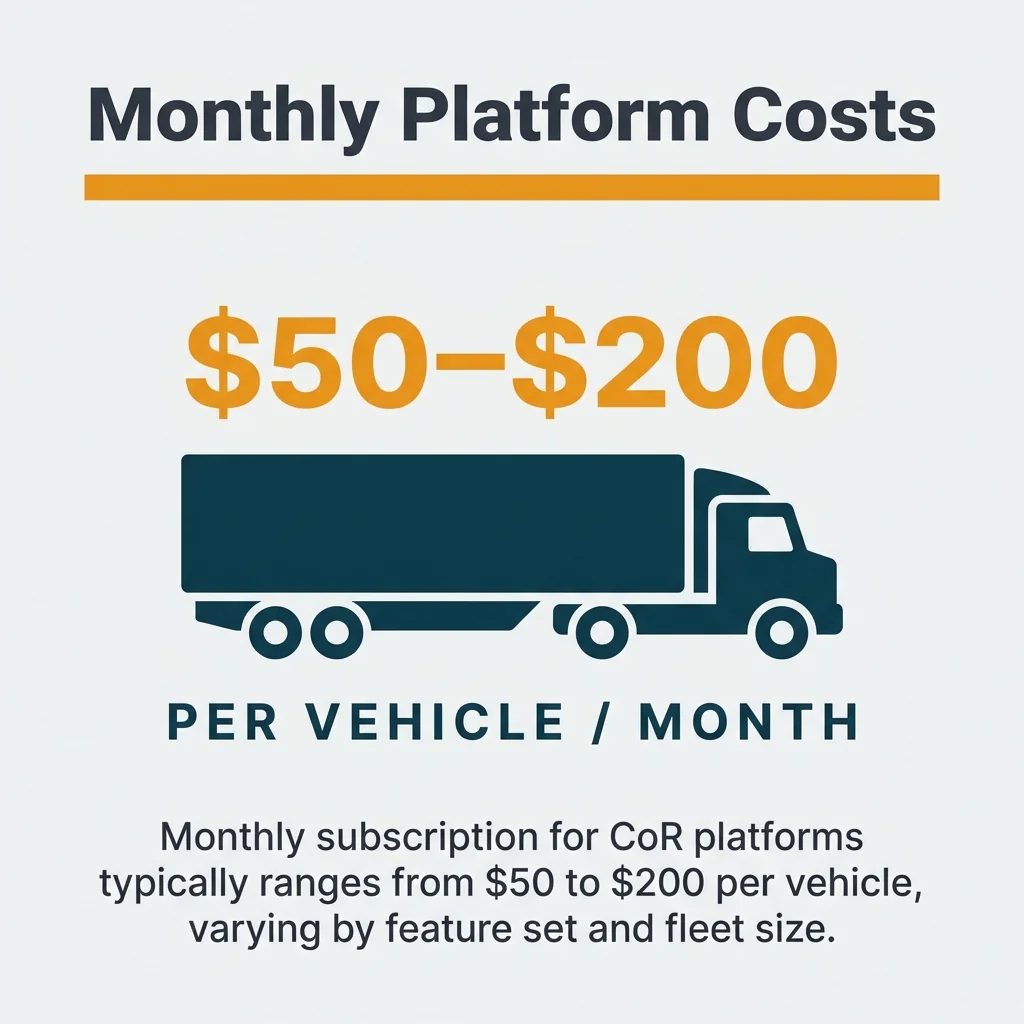
Subscription models dominate cloud platforms. Monthly fees per vehicle or user create predictable expenses.
Licence Models: Per-Vehicle, Per-User, or Enterprise
Per-vehicle pricing suits operators with varying staff numbers.
Per-user models benefit fleets where multiple vehicles share drivers. Costs scale with headcount rather than asset count.
Enterprise licences offer unlimited usage for fixed annual fees. Large operators often find this most economical.
Volume discounts reduce per-unit costs as fleets grow. Providers typically offer tiered pricing with breaks at specific thresholds.
Comparison requires total cost calculation. Include implementation fees, training costs, integration expenses, and ongoing support charges.
Hidden Costs: Implementation, Training, and Support
Advertised subscription fees rarely reflect true costs.
Implementation services add significant expenses. Data migration, system configuration, and custom integration often equal several months’ subscription fees.
Training programmes require budget allocation. Travel costs, trainer fees, and staff time away from regular duties accumulate quickly.
Ongoing support structures affect costs. Some providers include support in subscriptions. Others charge separately for phone assistance, email queries, or on-site visits.
Update cycles impact long-term expenses. Platforms charging extra for version upgrades increase lifetime costs substantially.
Measuring Compliance Improvements and Efficiency Gains
ROI justification requires quantifiable benefits.
Breach reduction delivers immediate value. Each prevented fatigue breach avoids thousands in potential fines.
Administrative time savings generate ongoing returns. If compliance monitoring previously consumed 10 hours weekly, automation delivers 500 hours annually.
Audit preparation efficiency reduces stress and costs. Generating documentation in hours rather than weeks proves valuable during regulatory investigations.
Insurance premium reductions reflect improved risk profiles. Some insurers discount premiums for operators using approved compliance platforms.
| Cost Category | Typical Range | Budget Considerations |
|---|---|---|
| Monthly Subscription | $50-200 per vehicle | Varies by feature set and fleet size |
| Implementation | $5,000-50,000 | Depends on complexity and integration needs |
| Training | $2,000-10,000 | Based on staff numbers and locations |
| Annual Support | Included or 15-20% of licence | Verify what’s covered before committing |
Security, Data Privacy, and Regulatory Compliance
Platform security protects sensitive business information.
CoR systems contain driver personal details, vehicle locations, and operational patterns. Breaches expose operators to privacy violations and competitive disadvantages.
Data Encryption and Access Controls
Encryption protects data during transmission and storage.
Transport layer security ensures information travelling between devices and servers remains private. Strong encryption standards prevent interception attacks.
At-rest encryption protects stored data. Even if attackers access servers, encrypted data remains unreadable without proper keys.
Role-based access controls limit information exposure. Schedulers access driver hours but not salary details. Maintenance staff see vehicle records but not customer information.
Audit logging tracks system access. Records showing who viewed what information and when support breach investigations and demonstrate accountability.
Australian Data Sovereignty and Privacy Requirements
Data location matters under Australian privacy law.
Platforms storing information on Australian servers simplify regulatory compliance. Overseas data storage triggers additional privacy considerations.
Privacy policies must address collection, use, and disclosure practices. Drivers and staff need clear explanations of what information systems collect and how operators use it.
Data retention schedules balance compliance needs with privacy principles. Keeping information longer than necessary violates privacy requirements.
Individual access rights require straightforward processes. Staff requesting their personal information should receive responses within statutory timeframes.
Backup Systems and Business Continuity Planning
System failures cannot halt operations.
Automated backups protect against data loss. Daily or more frequent backup schedules ensure recent information remains recoverable.
Geographic redundancy guards against regional disasters. Data replication across multiple Australian locations maintains availability during local emergencies.
Recovery time objectives define acceptable downtime. Critical compliance systems should restore within hours, not days.
Disaster recovery testing validates plans. Annual exercises confirm backup systems work and staff understand recovery procedures.
Vendor Evaluation Criteria and Selection Process
Choosing platforms requires systematic assessment.
Start by defining specific requirements. List must-have features, nice-to-have capabilities, and absolute dealbreakers.
Provider Experience in Australian Transport Compliance
Generic software rarely addresses CoR nuances.
Providers with transport industry experience understand regulatory requirements deeply. They anticipate compliance scenarios generic developers miss.
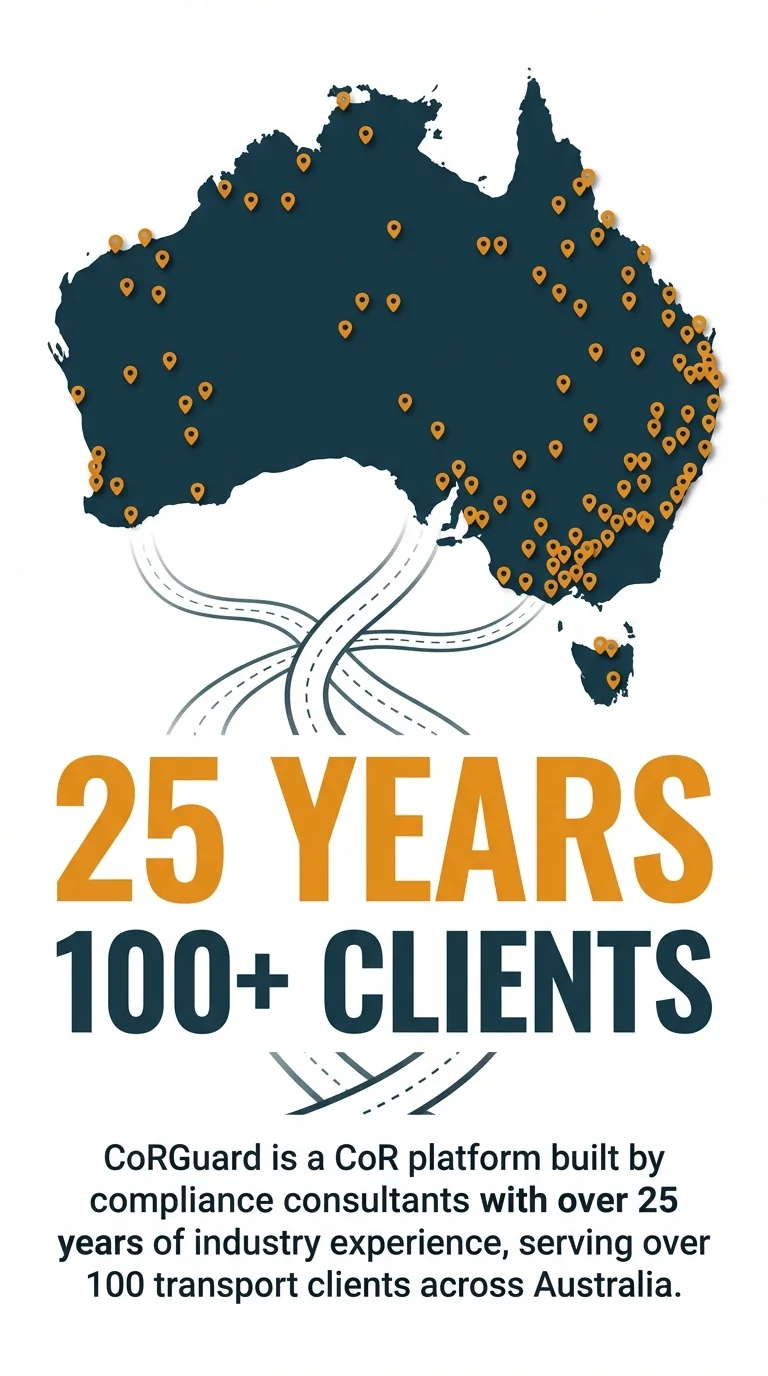
CoRGuard is a CoR platform built by compliance consultants with over 25 years of industry experience, serving over 100 transport clients across Australia. This background shapes feature development around real operational challenges.
Industry references validate provider claims. Speaking with current customers reveals implementation realities vendors might downplay.
Regulatory relationship strength indicates influence. Providers working closely with the National Heavy Vehicle Regulator often shape compliance standards.
Customer Support Quality and Response Times
Technical problems demand rapid resolution.
Support availability during operational hours matters most. Platforms offering only business hours assistance fail operators running evening or weekend shifts.
Response time guarantees set expectations. Service level agreements specifying maximum response and resolution times provide accountability.
Support channel variety suits different situations. Phone support resolves urgent issues fastest. Email handles less critical queries. Online chat offers convenient middle ground.
Knowledge base comprehensiveness reduces support dependency. Well-documented platforms let users solve common problems independently.
Platform Roadmap and Future Development Direction
Today’s features matter. Tomorrow’s capabilities determine long-term value.
Providers should share development roadmaps. Understanding planned enhancements helps evaluate whether platforms will meet evolving needs.
Customer input processes indicate responsiveness. Platforms incorporating user feedback develop more useful features than those following only internal priorities.
Regulatory change adaptation demonstrates agility. When HVNL requirements change, how quickly do platforms update to maintain compliance?
Technology trends adoption keeps platforms current. Artificial intelligence, machine learning, and predictive analytics represent emerging capabilities forward-thinking providers pursue.
Implementation Planning and Change Management
Successful platform adoption requires careful planning.
Implementation timelines typically span three to six months. Rushing deployment creates problems. Excessive delays maintain inefficient processes unnecessarily.
Data Migration from Existing Systems
Historical information provides compliance context.
Migration planning starts with data inventory. Identify what information exists, where it lives, and what formats different systems use.
Data cleansing improves migration success. Correcting errors, standardising formats, and removing duplicates before transfer prevents importing problems.
Phased migration reduces risk. Starting with recent data and gradually adding historical records allows testing whilst maintaining operations.
Validation confirms migration accuracy. Comparing transferred information against source systems ensures nothing corrupted or disappeared during transfer.
Pilot Testing and Phased Rollout Strategies
Company-wide launches amplify problems.
Pilot groups test platforms under real conditions. Small teams using systems operationally reveal issues demonstrations miss.
Feedback collection during pilots guides refinements. Users identify workflow inefficiencies, confusing interfaces, and missing features before broader deployment.
Success criteria determine pilot outcomes. Define specific metrics that signal readiness for wider rollout.
Phased expansion manages change gradually. Rolling out by depot, region, or function prevents overwhelming the organisation.
Staff Training and Ongoing Support Requirements
Training determines whether staff embrace or resist platforms.
Role-specific training addresses actual needs. Drivers require different instruction than schedulers, who need different guidance than compliance officers.
Multiple training formats accommodate learning preferences. Some staff prefer classroom sessions. Others learn better through video tutorials or written guides.
Refresher training maintains competence. Quarterly sessions reinforce key concepts and introduce new features.
Internal champion development spreads knowledge. Training super-users who support colleagues reduces dependency on vendor assistance.
Real-World Platform Performance Indicators
Feature lists don’t guarantee results. Performance metrics reveal true capability.
System uptime determines reliability. Calculate what percentage of time platforms remain available and functional.
System Reliability and Uptime Records
Compliance monitoring requires continuous operation.
Uptime guarantees set minimum standards. Most providers promise 99.5% or higher availability.
Planned maintenance windows require notification. Scheduled downtime for updates should occur during low-impact periods with advance warning.
Incident response protocols manage problems. When outages occur, how quickly do providers detect, communicate, and resolve issues?
Historical performance data validates claims. Request uptime statistics for the past 12 months, not just provider promises.
Alert Accuracy and False Positive Rates
Excessive false alarms train staff to ignore warnings.
Alert tuning reduces noise. Systems should let operators adjust thresholds to match risk tolerance and operational patterns.
Machine learning improves accuracy over time. Platforms that analyse which alerts prompted action versus which were dismissed can refine future predictions.
Alert prioritisation helps staff focus. Not all compliance risks carry equal weight. Systems should distinguish critical alerts from informational notifications.
Response tracking closes feedback loops. Recording what action staff took after each alert helps evaluate alert usefulness.
Processing Speed and Real-Time Data Synchronisation
Delayed information undermines compliance effectiveness.
Data latency measures synchronisation speed. How long between an event occurring and appearing in the system?
Processing capacity handles peak loads. Systems must maintain performance during busy periods when multiple users access data simultaneously.
Query response times affect usability. Searches, reports, and dashboard updates should complete within seconds.
Mobile app performance varies with connectivity. Platforms should function adequately even with limited mobile coverage.
Comparing Specific Platform Categories
CoR platforms divide into distinct categories.
Entry-level systems focus on fatigue monitoring basics. Mid-tier platforms add mass management and contractor oversight. Enterprise solutions provide complete compliance coverage.
Basic Fatigue Management Platforms
Entry systems target small operators with straightforward needs.
These platforms connect with electronic work diaries and track driver hours against work limits. They generate basic alerts when drivers approach maximum work periods.
Limited integration capabilities mean these systems operate independently. Manual data entry supplements EWD information.
Reporting functionality covers minimum regulatory requirements. Breach registers, fatigue management plans, and driver hour summaries form the standard output.
Cost advantages make entry platforms attractive initially. However, growing operators quickly outgrow limited capabilities.
Comprehensive CoR Management Suites
Mid-tier solutions address multiple compliance obligations.
Besides fatigue monitoring, these platforms manage mass limits, load restraint, vehicle maintenance, and contractor credentials.
Integration capabilities connect with transport management systems, accounting software, and customer portals. This reduces duplicate data entry significantly.
Advanced alerting considers multiple risk factors. Instead of isolated fatigue warnings, comprehensive platforms calculate cumulative risk across all compliance areas.
Reporting flexibility supports operational analysis beyond regulatory compliance. Platforms generate insights about efficiency, cost, and performance trends.
Enterprise Transport Compliance Solutions
Enterprise platforms serve large, complex operations.
These systems handle multiple depots, diverse fleet types, and international operations where relevant.
Sophisticated workflow automation reduces administrative burden. Approval chains, escalation processes, and exception handling operate automatically.
Predictive analytics forecast future risks based on historical patterns. Machine learning identifies compliance trends human analysis might miss.
Customisation capabilities let organisations adapt platforms to unique requirements. Configurable workflows, custom fields, and bespoke reports address specific operational needs.
| Platform Category | Best For | Key Limitations |
|---|---|---|
| Basic Fatigue Management | Small fleets, simple operations | Limited integration, fatigue-only focus |
| Comprehensive CoR Suites | Medium operators, growing fleets | May lack enterprise scalability |
| Enterprise Solutions | Large operations, complex requirements | Higher costs, longer implementation |
Making Your Platform Selection Decision
Evaluation criteria guide selection.
Weight factors according to operational priorities. Some operators prioritise ease of use. Others emphasise integration capabilities. Many focus on cost.
Create a scoring matrix listing essential features. Rate each platform against these criteria. Numeric scores enable objective comparison.
Building Your Platform Evaluation Checklist
Structured assessment prevents overlooking important factors.
Start with regulatory compliance coverage. Does the platform address all CoR obligations relevant to your operations?
Evaluate integration capabilities. Will the platform connect with your existing systems or require duplicate data entry?
Assess usability honestly. Can your staff operate the platform effectively after reasonable training?
Calculate total cost over three to five years. Include subscription fees, implementation costs, training expenses, and support charges.
Review vendor credentials. What industry experience and customer references validate their capabilities?
- Regulatory compliance breadth across fatigue, mass, maintenance, and loading obligations
- Real-time alert capabilities with configurable thresholds and multiple notification channels
- Integration options with existing transport management and accounting systems
- Mobile access for drivers and field personnel with offline functionality
- Contractor management including credential verification and performance monitoring
- Audit-ready reporting with automated compliance documentation generation
- Data security including encryption, access controls, and Australian data sovereignty
- Implementation support covering data migration, training, and change management
- Ongoing vendor support with defined response times and multiple contact channels
- Total cost including all fees over projected usage period
Trial Periods and Proof of Concept Testing
Demonstrations show potential. Trials reveal reality.
Request trial periods using your actual operational data. Generic demonstrations with sample information don’t expose real-world problems.

Define specific test scenarios matching daily operations. Can schedulers assign jobs whilst respecting work hour limits? Do mass calculations align with weighbridge results?
Include diverse users in trials. Schedulers, drivers, maintenance staff, and compliance officers each interact differently with platforms.
Document issues encountered during testing. Evaluate how vendors respond to problems. Are fixes prompt? Do workarounds exist?
Questions to Ask Platform Providers Before Committing
Direct questions reveal important details.
Ask about update frequency and processes. How often do new features arrive? Do updates require downtime?
Question integration limitations. What systems won’t the platform connect with? What custom development might be necessary?
Explore support structures. What’s included in base pricing versus charged separately? What response times can you expect?
Clarify data ownership and portability. Can you extract information easily if changing providers? What format does exported data use?
Investigate regulatory change processes. When HVNL requirements change, how quickly does the platform adapt?
- What percentage uptime do you guarantee, and what compensation applies for breaches?
- Which electronic work diary brands integrate with your platform automatically?
- Can you demonstrate contractor credential verification using real Australian licensing databases?
- What’s your average implementation timeline for operations similar to ours?
- How many support staff do you maintain, and what are their transport compliance qualifications?
- What happens to our data if we decide to change platforms later?
- Can you provide references from operators in our industry segment and fleet size?
- What’s your process for incorporating customer feature requests into product development?
Taking Action on Your CoR Platform Comparison
Platform selection shapes compliance effectiveness for years.
Start your evaluation by documenting current compliance processes. What works well? What creates frustration? What consumes excessive time?
Define specific objectives beyond regulatory compliance. Do you want better scheduling efficiency? Reduced insurance premiums? Improved contractor management?
Contact vendors whose platforms match your requirements. Schedule demonstrations focused on your specific operations, not generic features.
Request trial access with your operational data. Test platforms under real conditions with actual staff members.
Calculate total costs honestly. Include every expense category, not just advertised subscription fees.
Make your selection based on objective criteria, not sales pressure or flashy presentations.
The right platform transforms compliance from administrative burden into competitive advantage. Poor choices create years of frustration and lingering risk exposure.
Your next step? List your three most critical compliance challenges. Then evaluate which platform addresses these specific issues most effectively. That’s where your selection process begins.