CoRGuard compliance automation delivers real-time Chain of Responsibility monitoring for transport and logistics operations. The platform centralizes vehicle compliance, fatigue management, worker induction, and audit preparation into a single dashboard.
This guide breaks down how CoRGuard’s automation features eliminate manual compliance tracking. You’ll see how the system monitors regulatory requirements, triggers corrective actions, and maintains audit-ready evidence collection.
Australian transport operators face strict NHVR standards and Chain of Responsibility obligations. CoRGuard automates these requirements, reducing non-conformance risk while freeing compliance teams from repetitive tasks.
What is CoRGuard Compliance Automation?
CoRGuard is an end-to-end compliance management platform built specifically for Chain of Responsibility requirements. The system automates monitoring, alerts, and evidence collection across vehicle safety, driver fatigue, and contractor management.
Compliance automation uses rule-based logic to execute predictable compliance tasks. It simplifies audit readiness, ensures accurate compliance checks, and reduces manual effort across industry standards.
The platform maps internal controls to regulatory frameworks including NHVAS, NHVR standards, and Chain of Responsibility legislation. Automated monitoring checks vulnerabilities continuously rather than relying on periodic manual reviews.
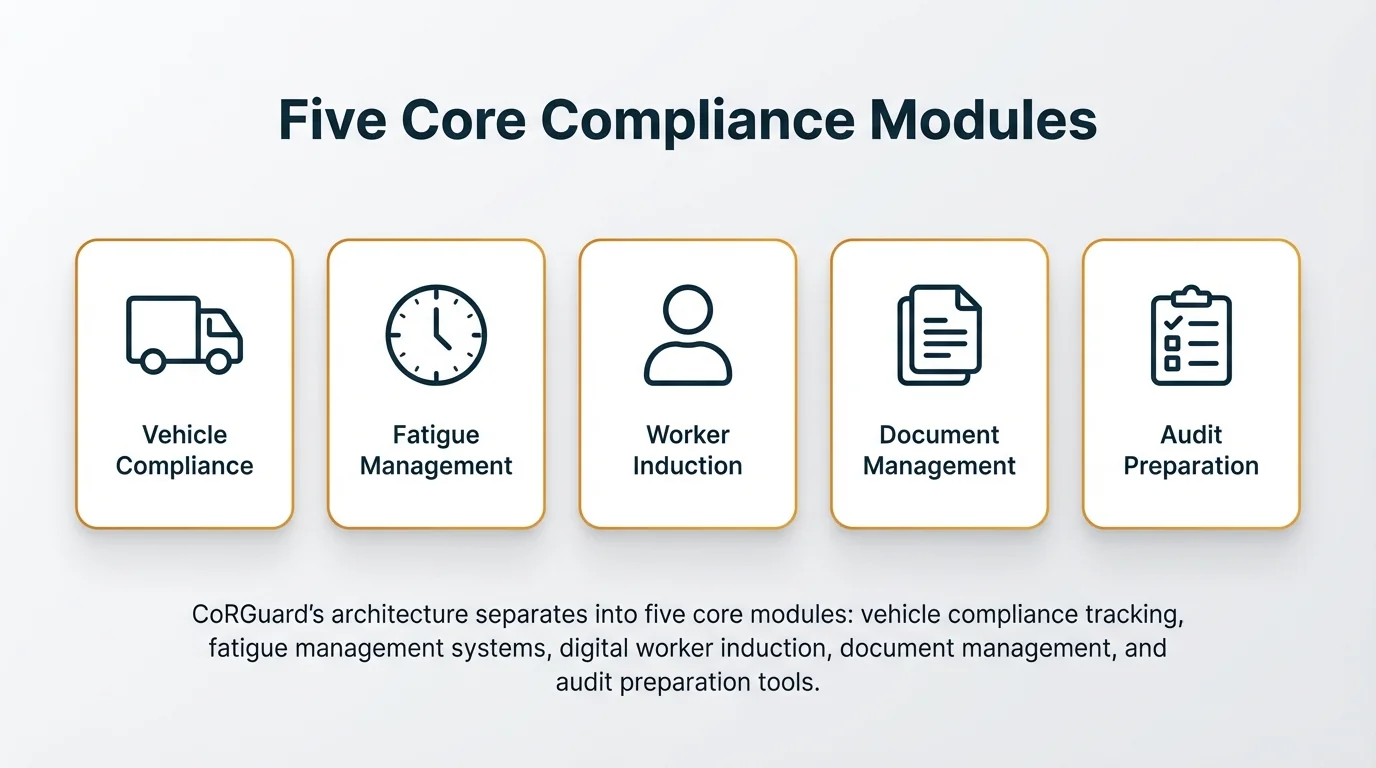
CoRGuard’s architecture separates into five core modules: vehicle compliance tracking, fatigue management systems, digital worker induction, document management, and audit preparation tools. Each module feeds real-time data into a centralized compliance dashboard.
Core Platform Capabilities
The system monitors compliance status across all operational areas simultaneously. When a vehicle maintenance window expires or a driver approaches fatigue limits, automated alerts trigger remediation workflows.
Integration capabilities allow CoRGuard to connect with existing fleet management systems, HR platforms, and electronic work diary solutions. This eliminates duplicate data entry and ensures consistent information across business systems.
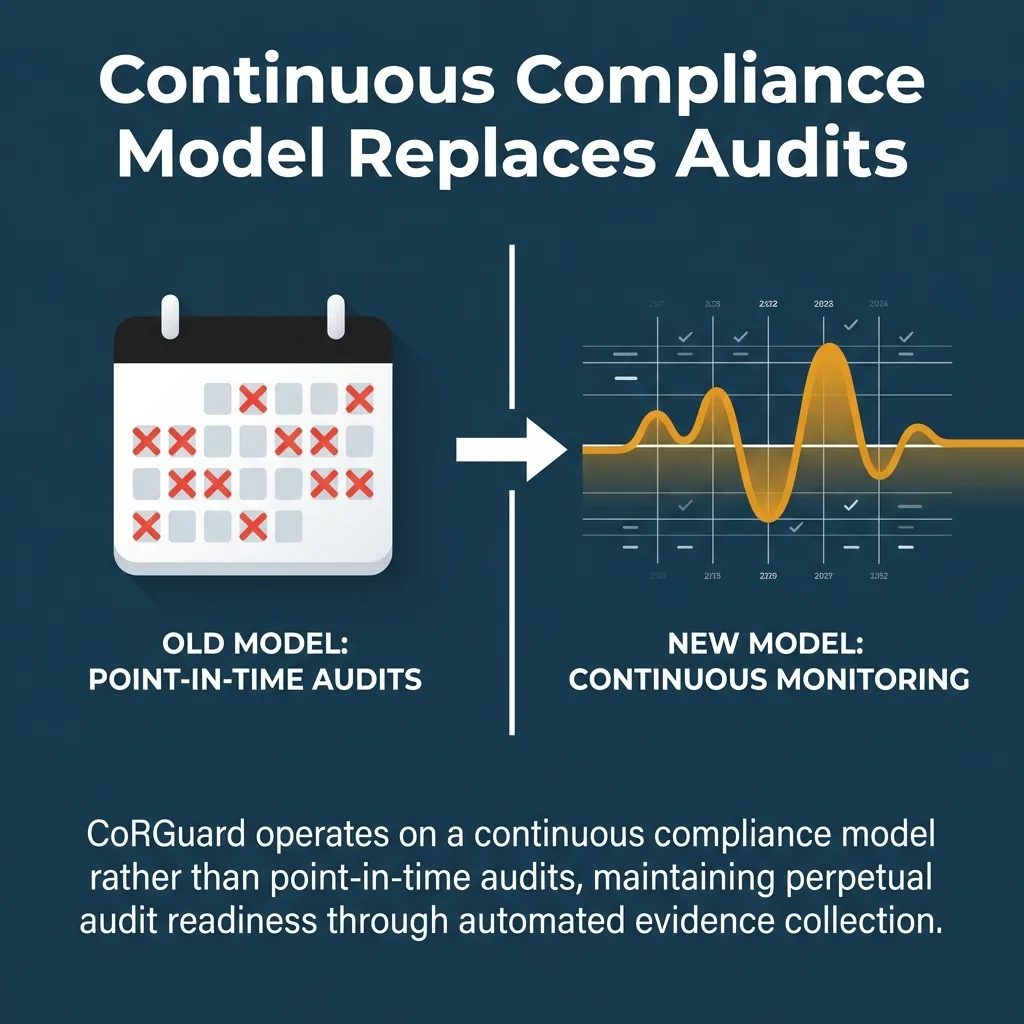
CoRGuard operates on a continuous compliance model rather than point-in-time audits. The platform maintains perpetual audit readiness through automated evidence collection and policy documentation storage.
Key Features of CoRGuard Compliance System
Understanding the platform’s core capabilities reveals how automated compliance monitoring replaces manual tracking processes. Each feature addresses specific Chain of Responsibility requirements.
Automated Compliance Monitoring
CoRGuard monitors regulatory requirements in real-time across all compliance domains. The system checks vehicle maintenance schedules, driver work hours, contractor credentials, and safety documentation against current standards.
Automated monitoring eliminates the lag between compliance breaches and detection. Traditional manual systems might miss expired certifications or approaching fatigue limits until periodic reviews occur.
The platform uses configurable rule engines that adapt to specific operational requirements. Transport operators can set custom thresholds for vehicle inspections, driver rest periods, and contractor qualification renewals.
Chain of Responsibility Compliance Framework
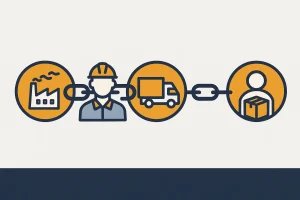
Chain of Responsibility legislation places compliance obligations on every party in the transport supply chain. CoRGuard tracks these responsibilities across consignors, consignees, drivers, and transport operators.
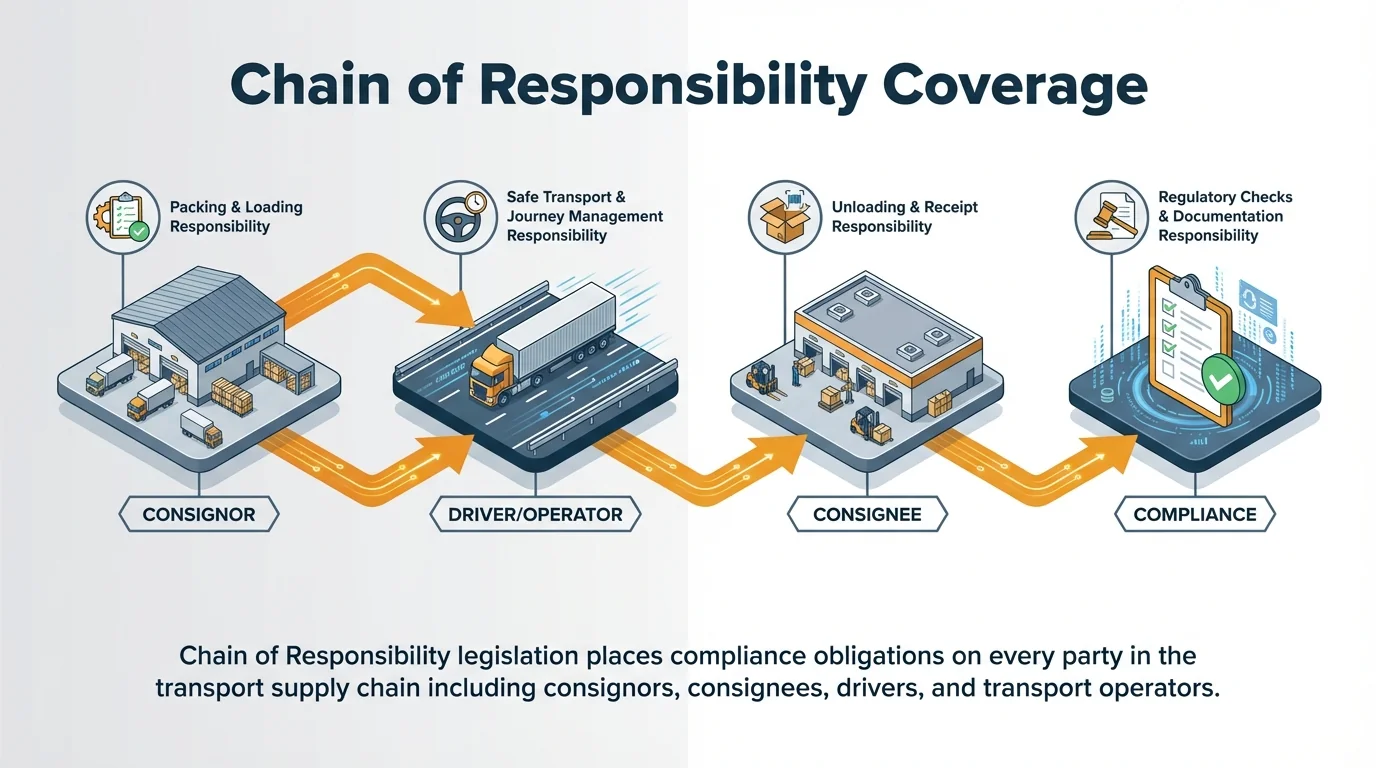
The system documents due diligence activities required under CoR regulations. This includes maintenance schedules, driver training records, loading procedures, and journey management planning.
CoRGuard maintains evidence trails showing compliance efforts at each supply chain stage. This documentation proves regulatory adherence during audits or incident investigations.
Real-Time Alert Generation
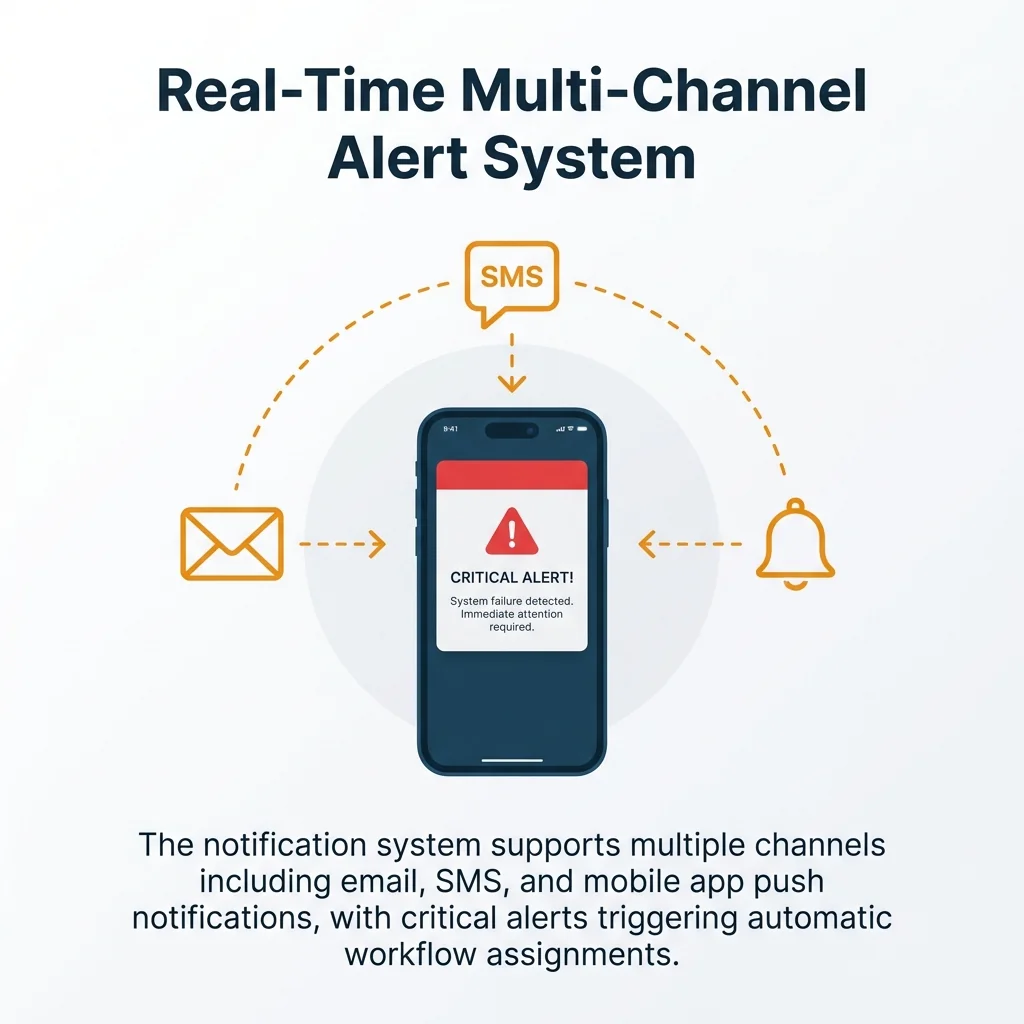
When compliance thresholds are approaching or breached, CoRGuard generates immediate notifications. Alerts route to responsible personnel based on configurable escalation rules.
The notification system supports multiple channels including email, SMS, and mobile app push notifications. Critical alerts can trigger automatic workflow assignments to ensure prompt remediation.
Alert logic considers multiple factors simultaneously. A vehicle approaching service intervals while assigned to a long-haul route receives higher priority than one in local operations with flexible scheduling.
Integrated Compliance Dashboard and Monitoring
The compliance dashboard provides centralized visibility into all regulatory requirements and their current status. This single-screen overview replaces spreadsheet tracking and disconnected systems.
Dashboard widgets display vehicle compliance rates, driver fatigue status, pending contractor renewals, and upcoming audit requirements. Color-coded status indicators show at-a-glance compliance health.
Reporting functionality converts dashboard data into formatted compliance reports for management review and regulatory submission. CoRGuard generates these reports automatically on scheduled intervals.
Customizable Monitoring Parameters
Transport operators configure monitoring thresholds to match their operational risk profiles. Conservative settings trigger early warnings, while standard configurations align with regulatory minimums.
The dashboard adapts to different user roles. Fleet managers see vehicle-specific compliance data, while executives access organization-wide compliance summaries and trend analysis.
CoRGuard tracks compliance metrics over time, revealing patterns in non-conformance events. This historical analysis identifies systemic issues requiring process improvements beyond individual incident remediation.
Risk Management Integration
Risk management features within CoRGuard connect compliance monitoring to broader operational risk assessment. The platform calculates risk scores based on compliance status, incident history, and operational complexity.
High-risk combinations trigger enhanced monitoring protocols. A driver approaching fatigue limits while operating a heavy vehicle in poor weather conditions receives elevated oversight and potential intervention.
Risk dashboards prioritize compliance activities based on potential impact. Limited compliance resources focus on high-risk areas rather than treating all requirements equally.
Vehicle Compliance and Maintenance Management
Vehicle compliance tracking within CoRGuard monitors maintenance schedules, safety inspections, and equipment certifications against NHVAS standards. The system maintains complete service histories for every fleet asset.
Automated scheduling triggers maintenance activities based on time intervals, odometer readings, or operational conditions. Vehicles approaching service windows receive graduated alerts as deadlines approach.
CoRGuard prevents non-compliant vehicle deployment through integration with dispatch systems. Vehicles with expired inspections or overdue maintenance automatically become unavailable for trip assignments.
NHVAS Compliance Tracking
The National Heavy Vehicle Accreditation Scheme sets maintenance standards for commercial transport operations. CoRGuard maps vehicle compliance activities to NHVAS requirements automatically.
The platform documents preventive maintenance activities, defect reporting, and rectification workflows required under NHVAS protocols. This evidence collection supports accreditation audits and ongoing compliance verification.
CoRGuard generates NHVAS-compliant maintenance schedules based on manufacturer recommendations and regulatory requirements. The system adjusts intervals for severe-duty operations as specified in accreditation guidelines.
Fleet Safety Management
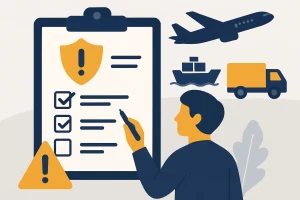
Safety inspection tracking ensures vehicles meet roadworthiness standards before deployment. CoRGuard schedules pre-trip inspections, daily vehicle checks, and comprehensive safety assessments according to operational requirements.
Digital inspection checklists within the mobile app guide drivers through standardized safety checks. Completed inspections upload automatically, creating time-stamped compliance records.
Defect management workflows route identified issues to maintenance teams with priority assignments. Critical safety defects trigger immediate vehicle unavailability until rectification verification occurs.
Fatigue Management and Electronic Work Diary (EWD)
Fatigue management compliance represents a critical Chain of Responsibility obligation. CoRGuard monitors driver work hours against NHVR fatigue management standards, preventing regulatory breaches before they occur.
Electronic work diary integration provides real-time visibility into driver hours, breaks, and rest periods. The system calculates accumulated fatigue based on work patterns and time since adequate rest.
Automated alerts notify drivers and dispatchers when approaching maximum work hour limits. This prevents situations where drivers cannot complete assigned trips within legal work hour constraints.
Work Hour Monitoring and Compliance
CoRGuard tracks work hours under Standard Hours, Basic Fatigue Management, and Advanced Fatigue Management schemes. The platform applies appropriate rules based on each driver’s operating authority.
The system monitors cumulative work hours across daily, weekly, and fortnightly periods. Complex rest period requirements receive automated calculation, eliminating manual interpretation of regulatory tables.
Integration with electronic work diary systems imports driver activity data automatically. This eliminates duplicate recording and ensures fatigue management decisions use current, accurate information.
Rest Period Optimization
CoRGuard doesn’t just monitor fatigue compliance but optimizes rest period scheduling. The platform suggests rest locations and durations that satisfy regulatory requirements while minimizing operational disruption.
Predictive fatigue analysis projects when drivers will reach work hour limits based on planned routes. This allows proactive schedule adjustments rather than reactive trip cancellations.
The mobile app provides drivers with real-time fatigue status and remaining work hour availability. This transparency helps drivers plan activities and communicate accurately with dispatch teams.
Digital Worker Induction Processes
Worker induction automation ensures contractors and employees complete required training before site access. CoRGuard tracks induction completion, certification expiry, and qualification requirements for all personnel.
Digital induction modules deliver safety training, site-specific procedures, and regulatory requirements through the platform. Completion tracking creates audit evidence of training delivery and acknowledgment.
The system prevents non-inducted workers from accessing operational areas through integration with access control systems. Only personnel with current, valid inductions receive site authorization.
Contractor Compliance Management
Contractor management within CoRGuard extends compliance monitoring to third-party personnel. The platform tracks contractor licenses, certifications, insurance coverage, and safety qualifications.
Automated renewal reminders prompt contractors to update expiring credentials before deadlines. The system flags contractors with expired qualifications, preventing their engagement on new projects.
CoRGuard maintains contractor compliance profiles visible to project managers during resource allocation. This ensures only qualified, compliant contractors receive work assignments.
Training Record Management
All training activities completed through CoRGuard generate permanent records with completion dates, module versions, and assessment results. These records satisfy Chain of Responsibility training documentation requirements.
The platform schedules refresher training based on regulatory requirements and internal policies. Workers receive automated notifications of upcoming training obligations with scheduling options.
Training effectiveness tracking identifies modules with high failure rates or repeated non-compliance incidents. This feedback loop supports continuous improvement of training content and delivery methods.
Real-Time Alerts and Automated Notifications
Alert systems within CoRGuard form the communication backbone connecting compliance monitoring to corrective action. Notifications reach responsible personnel immediately when intervention becomes necessary.
The platform uses configurable escalation rules that route alerts based on severity, responsibility assignment, and response timeframes. Unacknowledged critical alerts escalate to senior management automatically.
Alert fatigue prevention features ensure notifications remain actionable. The system consolidates related alerts and suppresses redundant notifications that don’t require separate responses.
Notification Channel Management
CoRGuard delivers alerts through multiple channels simultaneously. Critical safety alerts might generate SMS messages, email notifications, and mobile app alerts to ensure receipt.
Users configure notification preferences based on alert categories and personal availability. Off-duty personnel can suppress non-critical notifications while remaining accessible for emergency situations.
The platform maintains notification history showing delivery confirmation and response times. This audit trail documents compliance response effectiveness and identifies communication gaps requiring process improvements.
Automated Remediation Workflows
Beyond simple notification, CoRGuard triggers corrective action workflows when compliance issues arise. A vehicle approaching maintenance deadline automatically generates work orders in maintenance management systems.
Workflow automation assigns tasks to appropriate personnel with defined completion deadlines. The system tracks remediation progress and escalates delayed responses according to risk profiles.
Completed remediation activities require evidence upload before closure. This documentation proves compliance restoration and creates audit trails showing issue resolution effectiveness.
Document Management and Evidence Collection
Audit readiness depends on organized, accessible compliance documentation. CoRGuard provides centralized document management for policies, procedures, licenses, certifications, and compliance records.
Automated evidence collection captures compliance activities as they occur. Vehicle inspections, training completions, and maintenance activities generate time-stamped records without manual documentation effort.
The document repository organizes files by compliance category, regulatory framework, and audit requirement. This structure allows rapid evidence retrieval during regulatory inspections.
Policy Distribution and Acknowledgment
CoRGuard distributes updated policies to affected personnel automatically. The system requires acknowledgment confirmation before considering distribution complete.
Version control ensures users access current policy documents while maintaining historical versions for audit purposes. The platform tracks which personnel received which policy versions and when.
Policy compliance tracking connects documentation to operational activities. The system verifies procedures described in policies actually occur through monitoring data correlation.
Audit Trail Maintenance
Every action within CoRGuard generates audit trail entries showing who performed what actions when. This comprehensive logging satisfies regulatory requirements for compliance activity documentation.
Audit trails are immutable and tamper-evident. The system prevents retroactive changes to compliance records, ensuring evidence integrity during investigations and audits.
Audit preparation features compile evidence packages organized by specific regulatory requirements. Auditors receive complete documentation for their scope areas without manual file gathering.
Integration Capabilities with Existing Systems
CoRGuard doesn’t operate in isolation but connects with existing business systems through API integrations. This interoperability eliminates data silos and ensures compliance information flows throughout the organization.
The platform integrates with fleet management systems, HR platforms, financial software, and electronic work diary solutions. Standard integration protocols support common business applications without custom development.
Data synchronization occurs in real-time or scheduled intervals depending on integration requirements. CoRGuard can push compliance data to external systems or pull operational data for compliance monitoring.
Fleet Management System Integration
Integration with fleet management platforms connects vehicle location data, trip assignments, and operational metrics to compliance monitoring. CoRGuard uses this information for context-aware compliance assessment.
The system can prevent dispatch of non-compliant vehicles by updating fleet management availability status automatically. This integration closes the loop between compliance monitoring and operational execution.
Maintenance scheduling coordination ensures fleet management systems and CoRGuard maintain consistent vehicle availability information. Scheduled maintenance periods block vehicle assignment across both platforms simultaneously.
API Architecture and Data Exchange
CoRGuard’s RESTful API supports custom integrations with proprietary business systems. Organizations can build specialized workflows connecting compliance automation to unique operational processes.
The API provides read and write access to compliance data with appropriate security controls. External systems can retrieve compliance status information or submit documentation and evidence programmatically.
Webhook capabilities allow CoRGuard to push event notifications to external systems in real-time. Compliance alerts can trigger actions in business intelligence platforms, communication tools, or operational systems immediately.
Audit Preparation and Regulatory Readiness
Audit preparation within CoRGuard transforms from periodic crisis management to continuous readiness. The platform maintains perpetual audit evidence, allowing regulatory inspections to commence without preparation periods.
Compliance gap analysis features identify areas not meeting regulatory standards before audits occur. This proactive approach allows remediation of issues during normal operations rather than under audit pressure.
The system generates audit-ready compliance reports formatted to specific regulatory requirements. NHVR audits, NHVAS assessments, and Chain of Responsibility reviews each receive appropriately formatted evidence packages.
Compliance Gap Identification
CoRGuard compares current compliance status against regulatory requirements continuously. Gap analysis reports show specific areas requiring attention to achieve full compliance.
The platform prioritizes compliance gaps by risk level and remediation difficulty. This allows systematic compliance improvement focusing on high-impact areas first.
Trend analysis identifies persistent compliance challenges requiring process changes. Recurring gaps in specific areas signal systemic issues beyond individual compliance events.
Evidence Package Generation
When audits occur, CoRGuard compiles comprehensive evidence packages within minutes. The system selects relevant documentation, organizes by audit scope, and presents in auditor-friendly formats.
Evidence packages include supporting context like policies, procedures, and training records alongside compliance event documentation. This complete picture demonstrates due diligence efforts comprehensively.
The platform maintains evidence package templates for common audit types. Organizations customize these templates to match their specific operational contexts and regulatory environments.
Mobile App and Field Access
The CoRGuard mobile app extends compliance automation to field personnel. Drivers, maintenance technicians, and site supervisors access compliance information and complete required activities from mobile devices.
Mobile functionality includes vehicle inspection checklists, digital document access, fatigue status checking, and incident reporting. Field personnel perform compliance activities without returning to office locations.
Offline capability ensures compliance activities continue when internet connectivity is unavailable. The app synchronizes data when connections restore, maintaining continuous compliance records.
Driver Interface Features
Drivers use the mobile app to check fatigue status, view work hour availability, and access electronic work diary information. This real-time visibility helps drivers plan activities within regulatory constraints.
Pre-trip inspection checklists guide drivers through required vehicle safety checks. Completed inspections upload automatically, creating time-stamped compliance evidence without paper forms.
The app notifies drivers of approaching work hour limits, required rest periods, and upcoming training obligations. These alerts help drivers self-manage compliance responsibilities proactively.
Field Compliance Activities
Maintenance technicians document service activities, record defect rectification, and update vehicle compliance status directly through mobile interfaces. This eliminates paperwork delays in compliance status updates.
Site supervisors verify contractor credentials, confirm training completion, and authorize site access using mobile app verification features. This decentralized compliance checking accelerates operational workflows.
Incident reporting features allow immediate documentation of safety events, near-misses, and compliance breaches from incident locations. Photos, descriptions, and witness information capture while details remain fresh.
Compliance Reporting and Analytics
Reporting functionality within CoRGuard transforms compliance data into actionable insights. Standard reports cover regulatory requirements while custom reports address organization-specific needs.
The analytics engine identifies compliance trends, recurring issues, and improvement opportunities. This intelligence supports strategic compliance planning beyond tactical issue resolution.
Visualization features present compliance metrics through charts, graphs, and trend lines. Executive dashboards communicate compliance health at a glance without detailed data review.
Regulatory Compliance Reports
CoRGuard generates reports formatted for specific regulatory submissions. NHVR compliance reports, NHVAS audit documentation, and Chain of Responsibility evidence packages receive appropriate formatting automatically.
Scheduled reporting distributes compliance summaries to stakeholders automatically. Monthly compliance reports reach management teams without manual preparation effort.
Report templates customize to match organizational reporting standards. Organizations brand reports, select included metrics, and configure distribution lists independently.
Performance Analytics and Insights
Analytics features reveal patterns in compliance performance over time. Improving compliance rates validate process improvements while declining metrics signal emerging issues.
Comparative analysis shows compliance performance across operational divisions, vehicle types, or personnel groups. This benchmarking identifies high-performing areas and those requiring additional support.
Predictive analytics project future compliance risks based on current trends. Organizations anticipate challenges and implement preventive measures before compliance breaches occur.
Implementing CoRGuard in Your Operations
CoRGuard implementation follows a structured approach ensuring successful compliance automation adoption. The process begins with compliance requirement mapping and system configuration to match operational needs.
Data migration brings existing compliance records into CoRGuard, establishing baseline compliance status. Historical maintenance records, training documentation, and personnel credentials transfer into the centralized platform.
User training ensures personnel understand how to use CoRGuard features effectively. Role-specific training focuses on relevant functionality for drivers, maintenance teams, compliance officers, and management.
Configuration and Customization
System configuration adapts CoRGuard to specific operational requirements. Organizations set compliance thresholds, alert rules, escalation procedures, and monitoring parameters matching their risk profiles.
The platform accommodates diverse operational contexts. Mining operations, construction logistics, and retail distribution each face different compliance priorities requiring customized configuration.
Integration setup connects CoRGuard with existing business systems. Fleet management platforms, HR systems, and electronic work diary solutions link to CoRGuard through configured integrations.
Change Management and Adoption
Successful CoRGuard adoption requires organizational change management alongside technical implementation. Personnel transition from manual compliance tracking to automated monitoring through structured change processes.
Communication strategies explain how automation improves compliance effectiveness and reduces administrative burden. Emphasizing benefits rather than surveillance aspects encourages positive adoption attitudes.
Implementation support from MAEZ Consulting provides guidance through adoption challenges. Organizations benefit from 25+ years of supply chain expertise addressing common implementation obstacles.
Taking the Next Step with CoRGuard
CoRGuard compliance automation eliminates manual tracking burden while strengthening regulatory adherence. The platform transforms compliance from reactive firefighting to proactive risk management.
Transport operators using CoRGuard gain real-time visibility into compliance status across all operational areas. Automated monitoring catches potential breaches before they occur, protecting organizations from regulatory penalties and operational disruptions.
The platform’s integration capabilities ensure compliance automation works within existing operational workflows. Personnel use familiar systems enhanced with automated compliance intelligence rather than learning completely new platforms.
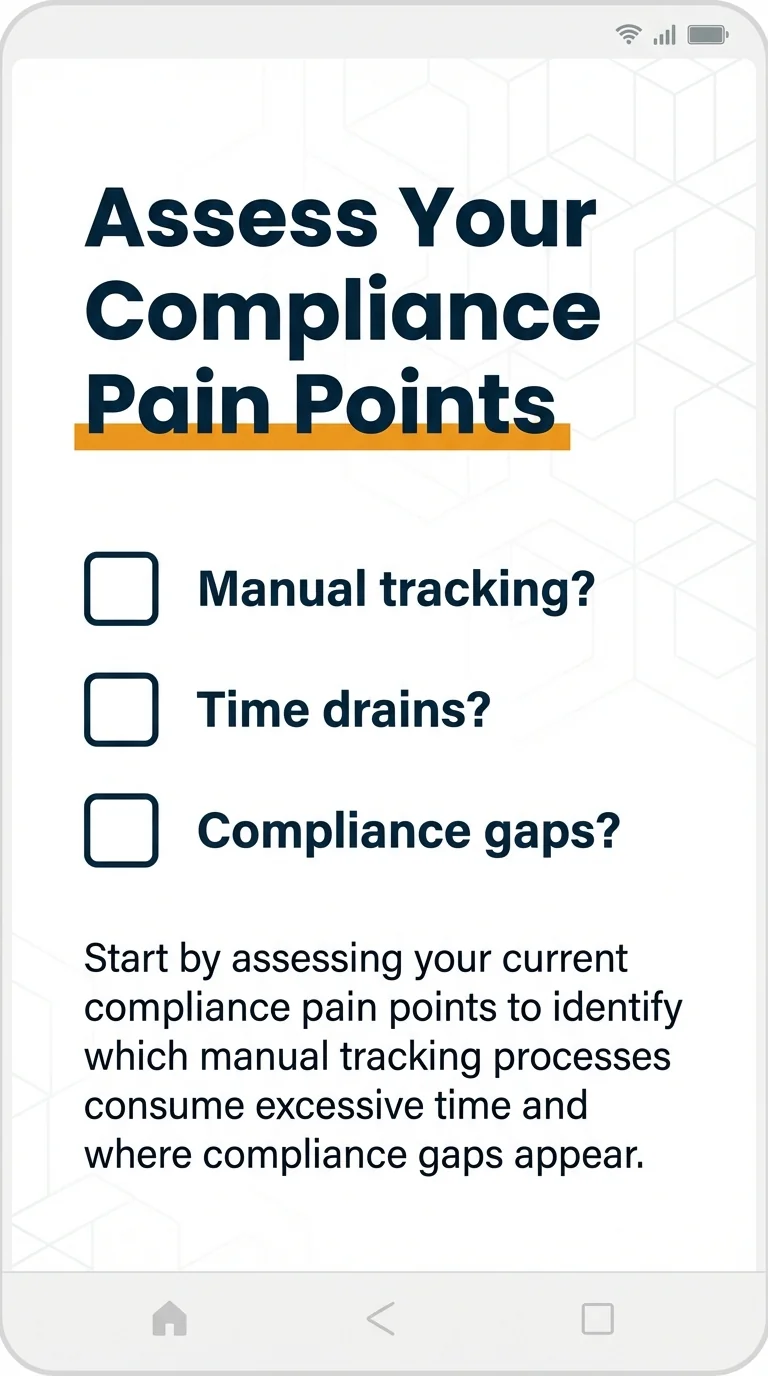
Start by assessing your current compliance pain points. Which manual tracking processes consume excessive time? Where do compliance gaps appear most frequently? These areas represent immediate automation opportunities.
CoRGuard addresses Chain of Responsibility obligations comprehensively while adapting to organization-specific operational contexts. The platform grows with your operation, scaling from single-site implementations to multi-location enterprise deployments.