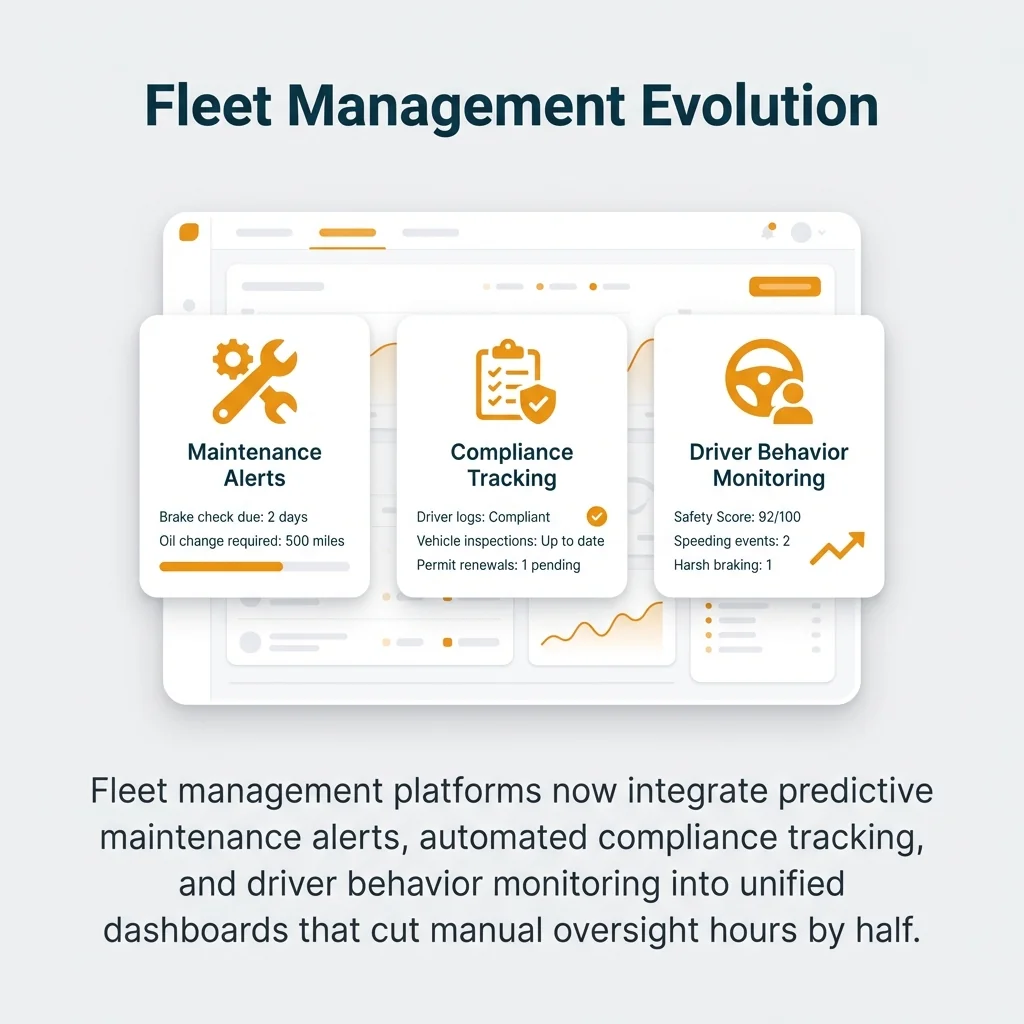
Digital transformation in transport safety combines telematics, artificial intelligence, IoT sensors, and real-time data systems to prevent incidents before they happen. Fleet management platforms now integrate predictive maintenance alerts, automated compliance tracking, and driver behavior monitoring into unified dashboards that cut manual oversight hours by half. Route optimization algorithms process traffic patterns, weather conditions, and vehicle health data simultaneously to suggest safer paths. The shift from reactive incident response to proactive risk management defines this transformation.
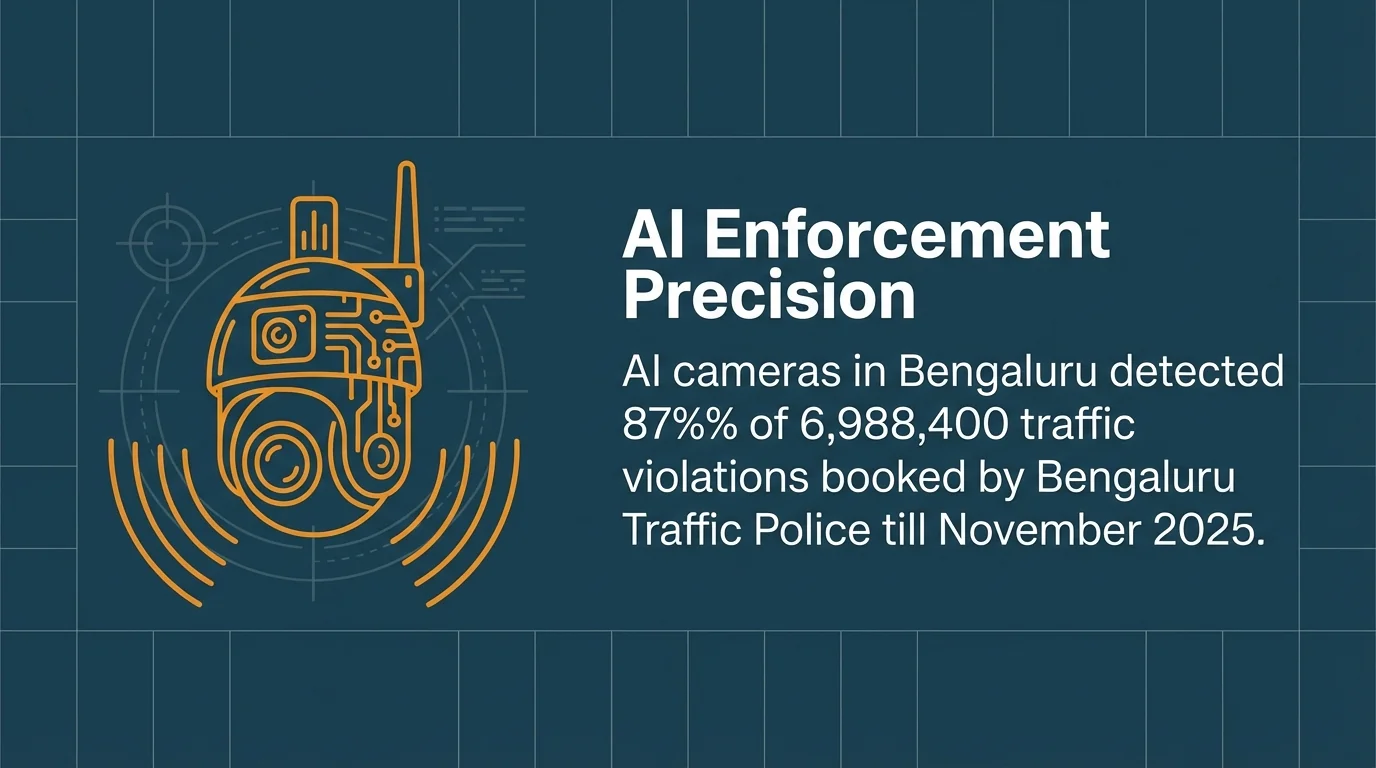
Safety outcomes improve measurably when organizations move beyond paperwork-based systems. AI cameras in Bengaluru detected 87% of 6,988,400 traffic violations booked by Bengaluru Traffic Police till November 2025, demonstrating enforcement precision impossible through manual monitoring alone.
Transportation operators face mounting pressure to protect drivers, cargo, and public infrastructure. Legacy compliance methods struggle to keep pace with regulatory changes and operational complexity across multiple jurisdictions. Digital systems close these gaps through automation, continuous monitoring, and evidence capture that satisfies auditors without drowning safety teams in paperwork.
This guide examines eight core areas where digital transformation delivers measurable safety improvements. We’ll explore specific technologies, real-world implementations, and practical challenges facing organizations at different maturity stages. You’ll see how fleet management shifts from spreadsheet tracking to intelligent systems, why predictive maintenance prevents roadside failures, and how data-driven decisions replace guesswork in route planning.
What Digital Transformation Means for Transport Safety
Digital transformation replaces manual processes with connected systems that collect, analyze, and act on transportation data continuously. Safety benefits emerge when organizations integrate telematics hardware, cloud platforms, and automation software into daily operations.
Traditional safety programs rely on periodic vehicle inspections, driver training sessions, and incident investigations after accidents occur. Digital approaches monitor vehicle health in real-time, alert drivers to hazards before collisions happen, and identify risk patterns across entire fleets through data analytics.
Core Technology Components
IoT sensors installed in vehicles track location, speed, braking patterns, engine performance, and cargo conditions. These devices transmit data to cloud platforms every few seconds. Fleet managers view aggregated information through dashboards that highlight exceptions requiring attention.
Artificial intelligence algorithms process this sensor data to detect anomalies indicating maintenance needs or unsafe driving behaviors. Machine learning models improve prediction accuracy by analyzing historical patterns across thousands of vehicles and millions of trips.
Telematics systems combine GPS tracking with vehicle diagnostics to provide comprehensive visibility. Dispatchers see exact vehicle locations, estimated arrival times, and mechanical status simultaneously. This connectivity enables faster response when incidents occur and better planning to prevent them.
Shift from Reactive to Proactive Safety
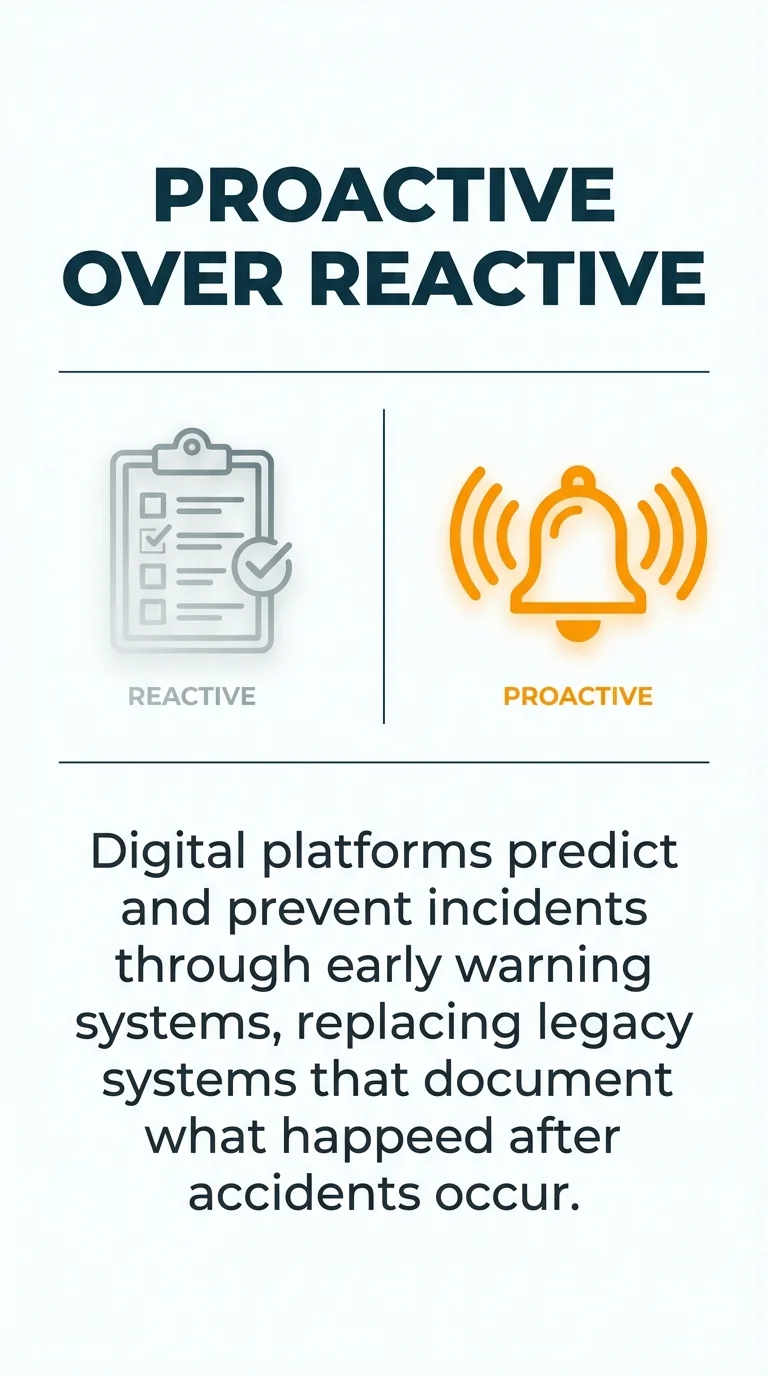
The most significant change involves timing. Legacy systems document what happened after accidents occur. Digital platforms predict and prevent incidents through early warning systems.
Sensors detect brake pad wear before failure causes accidents. AI models flag drivers showing fatigue patterns before they cause collisions. Predictive maintenance schedules service appointments based on actual component condition rather than arbitrary mileage intervals.
This proactive approach requires cultural shifts alongside technology adoption. Safety teams move from investigating past failures to monitoring live data feeds and intervening before problems escalate. The role changes from compliance documentation to risk management.
Why Digital Transformation Matters Now
Regulatory requirements tighten globally as governments mandate electronic logging devices, emissions monitoring, and chain of responsibility compliance. Manual tracking systems can’t meet these obligations across jurisdictions with different rules and reporting formats.
Insurance costs climb when carriers lack objective safety data. Insurers increasingly demand telematics evidence showing driver behavior, maintenance records, and incident prevention measures. Organizations without digital systems pay premium penalties.
Operational Efficiency Gains
Route optimization reduces fuel consumption and vehicle wear while improving delivery reliability. Algorithms process real-time traffic data, weather forecasts, and vehicle capacity to suggest efficient paths. Drivers avoid congestion zones and hazardous conditions automatically.
Fleet management platforms consolidate scheduling, maintenance tracking, compliance documentation, and communication tools. Dispatchers handle larger fleets with fewer staff because automation manages routine tasks. Mechanics receive specific diagnostic codes rather than vague driver complaints about vehicle problems.
Cost reduction comes from preventing breakdowns, optimizing fuel usage, and avoiding penalties. A single roadside failure costs thousands in towing, repairs, delayed deliveries, and customer dissatisfaction. Predictive maintenance eliminates most unplanned downtime.
Competitive Differentiation
Customers increasingly require real-time shipment visibility and guaranteed delivery windows. Companies offering GPS tracking and accurate ETAs win contracts over competitors still making phone-based status updates. Transparency builds trust.
Driver recruitment improves when carriers demonstrate safety commitment through technology. Professional drivers prefer employers using modern equipment with safety features over outdated trucks lacking collision warning systems or lane departure alerts.
Supply chain resilience depends on visibility across transportation networks. Digital transformation enables companies to reroute shipments around disruptions, communicate delays proactively, and maintain service levels during unexpected events.
Key Technologies Driving Digital Transformation in Transport Safety
Five technology categories work together to create safer transportation ecosystems. Each addresses specific safety challenges while contributing data to unified analytics platforms.
Telematics and Fleet Management Systems
Telematics hardware installed in vehicles captures location, speed, harsh braking events, rapid acceleration, sharp turns, and idle time. Advanced systems add forward-facing cameras recording road conditions and driver-facing cameras monitoring attention levels.
Fleet management software processes this telematics data into actionable insights. Dashboards display vehicle locations on maps, list maintenance alerts prioritized by urgency, and generate driver scorecards based on safety metrics. Managers set geofence boundaries triggering notifications when vehicles enter restricted zones or deviate from approved routes.
Integration with dispatch systems enables dynamic routing adjustments. When traffic accidents block planned routes, the system automatically recalculates paths and notifies drivers through in-cab displays or mobile apps.
Artificial Intelligence and Predictive Analytics
AI transforms raw sensor data into predictions and recommendations. Machine learning algorithms identify patterns humans miss when analyzing millions of data points across fleets operating in diverse conditions.
Predictive maintenance models forecast component failures by monitoring vibration patterns, temperature fluctuations, and performance degradation. The system schedules service appointments weeks before breakdowns occur, minimizing disruption and preventing roadside emergencies.
Driver safety scoring combines multiple behaviors into single metrics. AI weighs speeding severity against duration, considers road conditions when evaluating braking events, and accounts for load characteristics affecting vehicle handling. Scores improve training program effectiveness by identifying specific improvement areas.
Collision prediction systems use computer vision to detect obstacles, pedestrians, and vehicles in potential conflict paths. When impact risk exceeds thresholds, systems trigger audible warnings or automatic braking interventions.
IoT Sensors and Connected Infrastructure
Internet of Things devices expand monitoring beyond vehicles to cargo, infrastructure, and environmental conditions. Temperature sensors protect refrigerated shipments by alerting when cooling systems fail. Moisture sensors prevent cargo damage from leaks.
Tire pressure monitoring systems detect slow leaks before they cause blowouts. Fuel sensors identify theft or unusual consumption patterns. Door sensors log every cargo access event for security and compliance documentation.
Vehicle-to-infrastructure communication enables traffic signal optimization, congestion management, and hazard warnings. Connected traffic lights transmit signal timing to approaching vehicles, enabling speed recommendations that minimize stops. Road sensors detect ice formation and trigger warning messages to vehicles entering affected areas.
Cloud Platforms and Data Integration
Cloud infrastructure provides the computational power and storage capacity required for processing massive transportation datasets. Platforms scale automatically as fleets grow without requiring hardware investments.
Data integration connects previously siloed systems. Maintenance records merge with telematics data, enabling analysis of how driving patterns affect component lifespan. Compliance documentation links to GPS logs, proving regulatory adherence with location timestamps and electronic signatures.
Cloud platforms enable mobile access. Drivers use smartphone apps to complete pre-trip inspections, report defects, and view delivery instructions. Mechanics access repair histories and diagnostic codes from tablets in shop bays. Managers monitor operations from any location.
Automation and Autonomous Systems
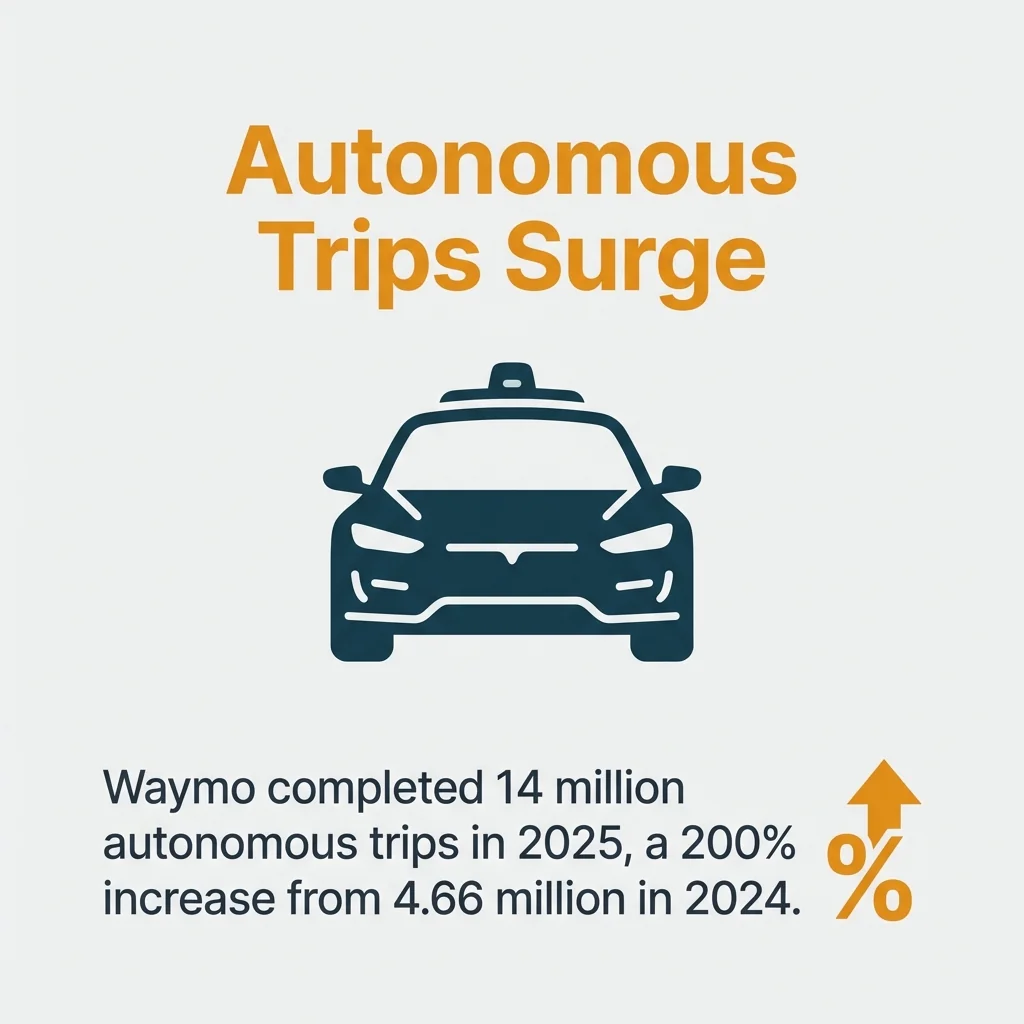
Automated vehicles represent the ultimate safety enhancement by eliminating human error. Waymo completed 14 million autonomous trips in 2025, a 200% increase from 4.66 million in 2024, demonstrating rapid technology maturation and public acceptance.
Partial automation assists drivers through features like adaptive cruise control, lane keeping assistance, and automatic emergency braking. These systems reduce accident severity even when they can’t prevent collisions entirely.
Automated yard operations improve safety in warehouses and distribution centers where forklifts, trucks, and pedestrians share congested spaces. Self-driving yard tractors move trailers without human drivers exposed to backing accidents or equipment strikes.
How Digital Transformation Enhances Transport Safety
Practical applications demonstrate how technologies translate into measurable safety improvements across different transportation contexts. These use cases address common risk scenarios facing logistics operators, passenger carriers, and infrastructure managers.
Real-Time Monitoring and Incident Prevention
Continuous visibility replaces periodic check-ins. Fleet managers see every vehicle’s status simultaneously rather than waiting for scheduled reports. When sensors detect unsafe conditions, automated alerts notify relevant personnel immediately.
Driver fatigue detection systems monitor steering patterns, lane positioning, and eye movement. When algorithms identify drowsiness indicators, in-cab alarms prompt drivers to take breaks. The system logs these events for compliance documentation and coaching conversations.
Harsh event notifications appear within seconds of occurrence. Managers review video footage showing the moments before and after sudden braking or swerving incidents. Context helps distinguish legitimate emergency responses from preventable mistakes requiring training intervention.
Predictive Maintenance and Vehicle Health Management
Traditional maintenance follows fixed schedules based on mileage or time intervals. Vehicles receive service whether they need it or not. Digital systems monitor actual component condition and predict failure timing based on usage patterns and sensor data.
Engine diagnostics track performance metrics indicating developing problems. Transmission temperature monitoring detects overheating before mechanical damage occurs. Battery health algorithms forecast replacement needs weeks in advance, preventing unexpected failures leaving drivers stranded.
Maintenance scheduling optimization balances vehicle availability against service requirements. Systems suggest appointment timing minimizing operational disruption while addressing issues before they cause breakdowns. Integration with parts inventory ensures components arrive before scheduled service dates.
Route Optimization and Traffic Management
Route planning algorithms consider dozens of variables humans can’t process simultaneously. Systems evaluate traffic conditions, weather forecasts, road restrictions, vehicle specifications, driver hours, and delivery time windows to suggest optimal paths.
Dynamic rerouting responds to changing conditions. When accidents block planned routes, systems recalculate alternatives and push updates to driver navigation displays. Historical data identifies chronically congested areas, steering vehicles toward consistently faster alternatives.
Safety improves through hazard avoidance. Systems route trucks away from low bridges, narrow streets unsuitable for large vehicles, and roads with weight restrictions. Winter weather routing avoids mountain passes during storms, reducing accident risk even when trips take longer.
Driver Behavior Analysis and Coaching
Objective performance data replaces subjective evaluations. Telematics systems measure speeding frequency, hard braking events, rapid acceleration, and sharp cornering across millions of miles. Managers identify specific behaviors requiring attention rather than making general training recommendations.
Coaching programs use video evidence showing actual driving events. Safety managers review footage with drivers, discussing what happened and exploring alternative responses. Visual evidence makes feedback concrete and undeniable, improving behavioral change effectiveness.
Gamification encourages improvement through friendly competition. Driver leaderboards recognize top safety performers. Achievement badges reward consistent safe driving over extended periods. Incentive programs tie bonuses to safety scores calculated from telematics data.
Compliance Automation and Documentation
Electronic logging devices automatically track driver hours, eliminating paper logbooks prone to errors and manipulation. Systems enforce hours-of-service regulations by preventing vehicle operation when drivers reach legal limits. GPS data proves location history for audits.
Digital vehicle inspection reports standardize processes and ensure completion. Drivers use apps to photograph defects, document repairs, and sign off electronically. Systems flag vehicles with outstanding maintenance issues, preventing unsafe equipment from leaving yards.
Chain of responsibility compliance requires documenting every party’s safety obligations throughout supply chains. Digital platforms capture signatures, timestamps, and acknowledgments proving each organization fulfilled requirements. Audit trails satisfy regulators without manual paperwork assembly.
Real-World Examples and Industry Applications
Organizations across transportation sectors demonstrate varied digital transformation approaches adapted to specific operational contexts and safety priorities.
Urban Traffic Management Systems
Cities deploy connected infrastructure improving safety through intelligent signal timing and congestion reduction. Traffic management centers monitor camera feeds, process sensor data from roadways, and adjust signal patterns responding to actual traffic volumes rather than fixed schedules.
Emergency vehicle priority systems detect approaching ambulances and fire trucks, automatically adjusting signals to clear paths. This reduces response times while minimizing intersection accidents caused by emergency vehicles running red lights.
Pedestrian safety improvements include countdown timers, extended crossing intervals during heavy foot traffic, and audible signals assisting visually impaired individuals. Connected crosswalk systems detect waiting pedestrians and extend green phases ensuring safe passage.
Long-Haul Trucking Fleet Optimization
National carriers manage thousands of trucks across multiple time zones using integrated digital platforms. Telematics provides visibility into every vehicle’s location, fuel level, maintenance status, and driver hours of service simultaneously.
Predictive maintenance prevents breakdowns during critical delivery windows. When sensors detect developing mechanical issues, dispatchers reroute loads to backup vehicles and schedule repairs at convenient locations along drivers’ routes. This minimizes delays while addressing problems before roadside failures occur.
Driver retention improves when carriers invest in modern equipment with safety features. Collision warning systems, lane departure alerts, and automatic emergency braking protect drivers while demonstrating employer commitment to their wellbeing. Professional drivers actively seek positions with companies using advanced technology.
Public Transportation Safety Enhancement
Transit agencies use digital systems protecting passengers and operators. Onboard cameras deter crime while providing evidence when incidents occur. Panic buttons allow operators to summon police assistance immediately during security threats.
Passenger information systems improve safety through better communication. Real-time arrival displays let waiting passengers track approaching buses and trains. Route deviation alerts notify riders of service changes. Emergency announcements reach passengers instantly during disruptions.
Accessibility improvements include automated announcements at stops, visual displays showing next stations, and mobile apps providing journey planning assistance. Miami International Airport deployed enhanced passenger processing using digital technologies, demonstrating how airports adapt these approaches to aviation contexts.
Last-Mile Delivery Innovation
E-commerce growth drives demand for efficient, safe last-mile delivery. Companies equip delivery vans with telematics tracking every stop, optimizing routes based on traffic conditions and package priorities. Customers receive accurate delivery windows and real-time driver location updates.
Electronic proof of delivery replaces paper signatures. Recipients sign on driver tablets, with GPS coordinates and timestamps providing undeniable delivery confirmation. Photo documentation protects against fraudulent claims while improving customer service during delivery disputes.
Driver safety improves through reduced pressure. Route optimization sets realistic delivery expectations based on actual driving conditions rather than arbitrary package counts. Systems account for parking challenges, building access requirements, and traffic delays when calculating delivery times.
Specialized Transport Applications
Hazardous materials carriers use enhanced monitoring systems tracking cargo conditions, route compliance, and security throughout transportation. Temperature sensors ensure proper storage conditions. Accelerometers detect rough handling potentially compromising container integrity.
Passenger carriers prioritize in-vehicle safety systems. Forward collision warning, automatic emergency braking, and electronic stability control reduce accident frequency and severity. Onboard diagnostics alert maintenance teams to developing mechanical issues before they affect service reliability.
Electric vehicle fleets require specialized charging infrastructure management. Smart yard-charging systems monitor battery status, schedule charging sessions during off-peak electricity periods, and ensure vehicles have sufficient range for planned routes. This addresses unique safety considerations around high-voltage systems while optimizing operational efficiency.
Benefits of Digital Transformation for Transport Safety
Measurable improvements justify technology investments through reduced incidents, lower costs, and enhanced operational capabilities. Organizations track specific metrics demonstrating return on investment.
Accident Reduction and Risk Mitigation
Collision frequency drops significantly when fleets implement comprehensive telematics and driver coaching programs. Real-time alerts prevent many incidents by warning drivers of hazards before crashes occur. Video evidence enables thorough investigations identifying root causes and preventing recurrence.
AI-assisted systems reduce accident risks by detecting situations humans miss. Computer vision identifies pedestrians stepping into roadways, vehicles drifting into blind spots, and obstacles in backing paths. Automatic interventions apply brakes or steering corrections when drivers don’t respond quickly enough.
Severity decreases even when accidents occur. Electronic stability control prevents rollovers. Automatic emergency braking reduces impact speeds. These systems transform potentially fatal collisions into minor incidents with property damage only.
Cost Savings Across Operations
Fuel efficiency improves through route optimization, reduced idling, and driver behavior modification. Telematics identifies excessive speeding, harsh acceleration, and unnecessary engine runtime. Coaching programs addressing these behaviors cut fuel consumption substantially.
Maintenance costs decline when predictive systems prevent catastrophic failures. Replacing brake pads costs hundreds. Repairing damage from brake failure costs thousands. Early intervention based on sensor data keeps maintenance expenses predictable and manageable.
Insurance premiums decrease when carriers demonstrate safety commitment through technology adoption. Some insurers offer substantial discounts for telematics-equipped fleets with active driver coaching programs. Claims frequency reductions from fewer accidents compound these savings.
Productivity and Efficiency Improvements
Administrative burden decreases through automation. Electronic logging eliminates manual logbook processing. Digital inspections automatically flag vehicles needing attention without managers reviewing hundreds of paper forms. Compliance documentation assembles automatically for audits.
Vehicle utilization increases when predictive maintenance prevents unplanned downtime. Scheduled service occurs during naturally slow periods without disrupting operations. Fleet managers confidently assign vehicles to time-sensitive deliveries knowing mechanical reliability.
Driver productivity improves with better tools. Route optimization eliminates wasted miles. Traffic avoidance reduces time stuck in congestion. Mobile apps streamline delivery confirmations, inspection reporting, and communication with dispatchers.
Enhanced Customer Experience
Transparency builds trust and loyalty. Customers track shipments in real-time rather than calling for status updates. Accurate delivery windows enable better planning. Proactive delay notifications demonstrate respect for customer time.
Reliability improves when digital systems optimize operations. On-time delivery rates increase through better routing and reduced breakdowns. Customers develop confidence in service consistency, strengthening relationships and encouraging repeat business.
Communication quality improves through integrated platforms. Customer service representatives access complete shipment histories, vehicle locations, and delivery status instantly. This eliminates frustrating transfers between departments and speeds issue resolution.
Sustainability and Environmental Benefits
Emissions reduction accompanies efficiency improvements. Route optimization minimizes miles driven. Reduced idling cuts fuel waste. Better vehicle maintenance ensures engines operate at peak efficiency. These operational changes deliver environmental benefits alongside cost savings.
Electric vehicle adoption accelerates with digital infrastructure supporting charging management and range optimization. Fleet operators gain confidence deploying electric trucks when systems provide real-time battery monitoring, charging station availability, and route planning accounting for range limitations.
Data transparency enables sustainability reporting. Organizations track fuel consumption, emissions output, and efficiency trends over time. This documentation satisfies corporate sustainability initiatives and regulatory reporting requirements.
Challenges and Barriers to Implementation
Despite clear benefits, organizations face obstacles adopting digital transformation technologies. Understanding these challenges helps develop realistic implementation strategies and manage stakeholder expectations.
Integration Complexity and Legacy Systems
Many transportation companies operate aging technology infrastructure incompatible with modern digital platforms. Mainframe dispatch systems, standalone maintenance databases, and paper-based processes resist integration attempts.
Data silos prevent comprehensive visibility. Fleet management runs separately from maintenance tracking, which operates independently from compliance documentation. Connecting these systems requires custom integration work, API development, and data migration projects consuming significant time and resources.
Migration risks cause hesitation. Organizations fear operational disruptions during transitions from familiar legacy systems to new platforms. Training requirements, data accuracy concerns, and potential downtime during cutover periods delay decisions despite long-term benefits.
Cost and Resource Constraints
Initial investment requirements deter smaller operators. Telematics hardware, software subscriptions, cloud infrastructure, and integration services represent substantial capital expenditures. Organizations struggle justifying costs without clear ROI calculations and phased implementation plans.
Ongoing expenses include subscription fees, maintenance contracts, training programs, and technical support. These recurring costs must fit within operating budgets already stretched by fuel, insurance, and equipment expenses. Leadership demands proof of value before committing to long-term financial obligations.
Resource allocation challenges extend beyond finances. Implementation requires dedicated project management, technical expertise for integration work, and change management capabilities. Small organizations lack specialized staff to lead transformations while maintaining daily operations.
Cybersecurity and Data Protection Risks
Connected systems create attack surfaces for malicious actors. Hackers target transportation companies seeking operational disruption, data theft, or ransomware opportunities. A breach compromising fleet management systems could disable operations, expose customer information, or manipulate safety-critical vehicle controls.
Data privacy regulations require careful handling of driver behavior information, vehicle locations, and customer details. Organizations must implement encryption, access controls, and audit trails satisfying requirements across multiple jurisdictions. Compliance burden increases for international operations spanning different regulatory regimes.
Third-party vendor security becomes organizational responsibility. Cloud platform providers, software vendors, and hardware manufacturers all handle sensitive transportation data. Contracts must specify security standards, liability terms, and breach notification procedures. Due diligence processes evaluate vendor capabilities before entrusting them with critical systems.
Workforce Adaptation and Skills Gaps
Technology adoption challenges existing roles and requires new capabilities. Experienced dispatchers comfortable with phone-based communication must learn digital platforms. Mechanics accustomed to mechanical diagnostics need training interpreting sensor data and electronic systems.
Resistance emerges when staff feel threatened by automation. Drivers worry that monitoring systems enable micromanagement rather than safety improvement. Managers fear technology will expose performance gaps or render their expertise obsolete. Addressing these concerns through transparent communication and inclusive implementation processes proves essential.
Skill development programs require ongoing investment. Organizations must provide initial training during deployment and continuous education as systems evolve. Technical support resources help users solve problems and maximize platform capabilities. Building internal expertise takes time but reduces dependence on external consultants.
Data Quality and Management Issues
Digital transformation benefits depend entirely on data accuracy. Incorrect vehicle identification, missed sensor calibrations, or GPS signal errors generate false alerts overwhelming managers with noise. Data quality problems undermine confidence in systems and waste time investigating phantom issues.
Volume challenges accompany comprehensive monitoring. Telematics generates millions of data points daily across large fleets. Processing this information into actionable insights requires sophisticated analytics capabilities and clear prioritization frameworks. Organizations risk analysis paralysis without structured approaches to data utilization.
Standardization difficulties emerge across diverse vehicle types, operational contexts, and geographic regions. Comparing safety metrics between urban delivery operations and long-haul trucking requires careful normalization accounting for different risk profiles. Establishing consistent definitions, measurement approaches, and benchmarks takes deliberate effort.
Future Trends in Digital Transport Safety
Technology evolution continues accelerating, with emerging capabilities promising further safety improvements over the coming years. Forward-looking organizations monitor these trends to anticipate opportunities and prepare infrastructure.
Autonomous Vehicle Maturation
Self-driving technology advances toward broader commercial deployment. Testing programs demonstrate reliability improvements through millions of operational miles. Regulatory frameworks gradually establish approval processes, insurance requirements, and liability standards for autonomous vehicles.
Hybrid approaches combine human operators with automated systems. Drivers monitor vehicle operation and handle complex scenarios while automation manages routine highway driving, parking maneuvers, and low-speed yard operations. This graduated autonomy delivers safety benefits before full self-driving capabilities mature.
Infrastructure adaptations support autonomous operations. Connected traffic signals communicate timing to approaching vehicles. Road markings use high-contrast materials easily detected by camera systems. Dedicated autonomous vehicle lanes separate robot trucks from human-driven traffic in early deployment phases.
Advanced AI and Machine Learning Applications
Predictive capabilities improve as algorithms process larger datasets spanning longer timeframes. Models identify subtle patterns indicating developing safety issues weeks before symptoms become obvious. Maintenance recommendations grow more precise, timing interventions optimally between premature service and risky delays.
Natural language processing enables conversational interfaces. Drivers ask verbal questions about routes, delivery instructions, or vehicle status rather than navigating menu systems. Voice commands reduce distraction by eliminating screen interaction while driving.
Computer vision applications expand beyond collision detection. Systems identify aggressive driving behaviors in surrounding traffic, warning drivers of potential hazards from other vehicles. Cargo monitoring verifies proper loading, detecting shifts that could affect vehicle stability or damage goods.
5G Connectivity and Enhanced Communication
Next-generation cellular networks provide bandwidth and low latency enabling real-time video transmission, high-definition mapping, and rapid sensor data exchange. Vehicle-to-everything communication becomes practical at scale with 5G infrastructure.
Remote diagnostics improve through high-quality video feeds. Mechanics view engine compartments from remote locations, guiding drivers through simple repairs or determining whether roadside assistance requires dispatch. This reduces downtime and helps drivers resolve minor issues without service calls.
Platoon operations become feasible when vehicles communicate continuously with minimal delay. Connected trucks travel in tight formations, with lead vehicles controlling speed and braking for following units. This improves fuel efficiency and traffic flow while maintaining safety through coordinated movement.
Digital Twin Technology and Simulation
Virtual replicas of transportation networks enable scenario testing without real-world risks. Organizations model infrastructure changes, traffic pattern shifts, or new routing strategies in simulation before implementation. This identifies problems and optimizes designs before committing resources.
Driver training improves through realistic simulators using digital twin environments. New hires practice handling emergencies, navigating complex routes, and operating specialized equipment safely before touching actual vehicles. This accelerates skill development while eliminating training accidents.
Predictive modeling incorporates digital twins for maintenance planning. Systems simulate component wear under different operating conditions, helping operators understand how usage patterns affect replacement timing. This informs policy decisions around speed limits, load restrictions, and route assignments.
Sustainability Integration and Green Logistics
Environmental considerations increasingly influence transportation decisions. Digital platforms incorporate emissions calculations into route optimization, balancing speed against environmental impact. Customers demand low-carbon shipping options, creating competitive pressure for sustainable operations.
Electric vehicle infrastructure expands as digital systems manage charging complexity. Smart grids coordinate charging schedules with electricity availability and pricing. Vehicle-to-grid technology enables trucks to supply power during peak demand periods, creating revenue streams offsetting battery costs.
Circular economy principles apply to vehicle lifecycle management. Digital tracking enables better residual value prediction, informing replacement decisions. Maintenance histories follow vehicles through resale, improving used equipment markets. End-of-life recycling improves when systems document component specifications and material composition.
Getting Started with Digital Transformation
Successful implementations follow structured approaches beginning with assessment, progressing through phased deployment, and maintaining continuous improvement. Organizations at different maturity levels adopt strategies matching their capabilities and priorities.
Start by auditing current safety processes and identifying pain points where digital solutions deliver clear value. Focus initial efforts on specific problems causing measurable costs rather than attempting comprehensive transformation immediately. Quick wins build momentum and demonstrate value, securing support for broader initiatives.

Select technology partners carefully based on transportation industry experience, integration capabilities, and long-term viability. Evaluate platforms for scalability, ensuring systems grow with your fleet without requiring replacement. Demand proof of security measures protecting sensitive operational data.
Build internal champions across departments. Include drivers, dispatchers, mechanics, and managers in planning processes. Address concerns transparently and incorporate feedback into implementation plans. Change management determines success more than technology selection.
Establish clear metrics before deployment. Define success criteria, baseline current performance, and set realistic improvement targets. Track progress consistently and adjust strategies based on results. Celebrate milestones, recognize contributors, and share lessons learned.
Plan for continuous evolution. Digital transformation isn’t a one-time project but an ongoing journey. Technology capabilities expand, operational needs change, and competitive pressures intensify. Organizations committed to safety leadership maintain learning mindsets and adapt as opportunities emerge.
The transportation industry stands at an inflection point where digital technologies make historically unachievable safety levels within reach. Organizations embracing this transformation protect people, reduce costs, and position themselves for long-term success in increasingly competitive markets.