The Contracting Officer’s Representative (COR) role demands vigilant contractor oversight, precise documentation, and proactive safety management. CoRGuard transforms these responsibilities from manual tracking burdens into automated compliance workflows. The platform centralizes contractor monitoring through integrated Quality Assurance Surveillance Plans (QASP), real-time safety alerts, and comprehensive audit trails. CORs gain instant visibility into contractor performance, documentation status, and compliance requirements through a single dashboard that eliminates spreadsheet chaos and missed surveillance deadlines.
For organizations managing multiple contractors across construction, logistics, or manufacturing operations, CoRGuard addresses the core challenge: maintaining consistent oversight without drowning in paperwork.
This guide covers the complete COR designation process, essential training requirements, core oversight responsibilities, and practical implementation of CoRGuard’s compliance tools. You’ll understand how to leverage quality assurance surveillance plans, monitor contractor safety performance, maintain documentation standards, and streamline communication with contracting officers.
Understanding the Contracting Officer’s Representative (COR) Role
The COR designation carries significant accountability within contract administration. This role bridges the contracting officer and the requiring activity, ensuring contractors meet technical requirements and contract performance standards.
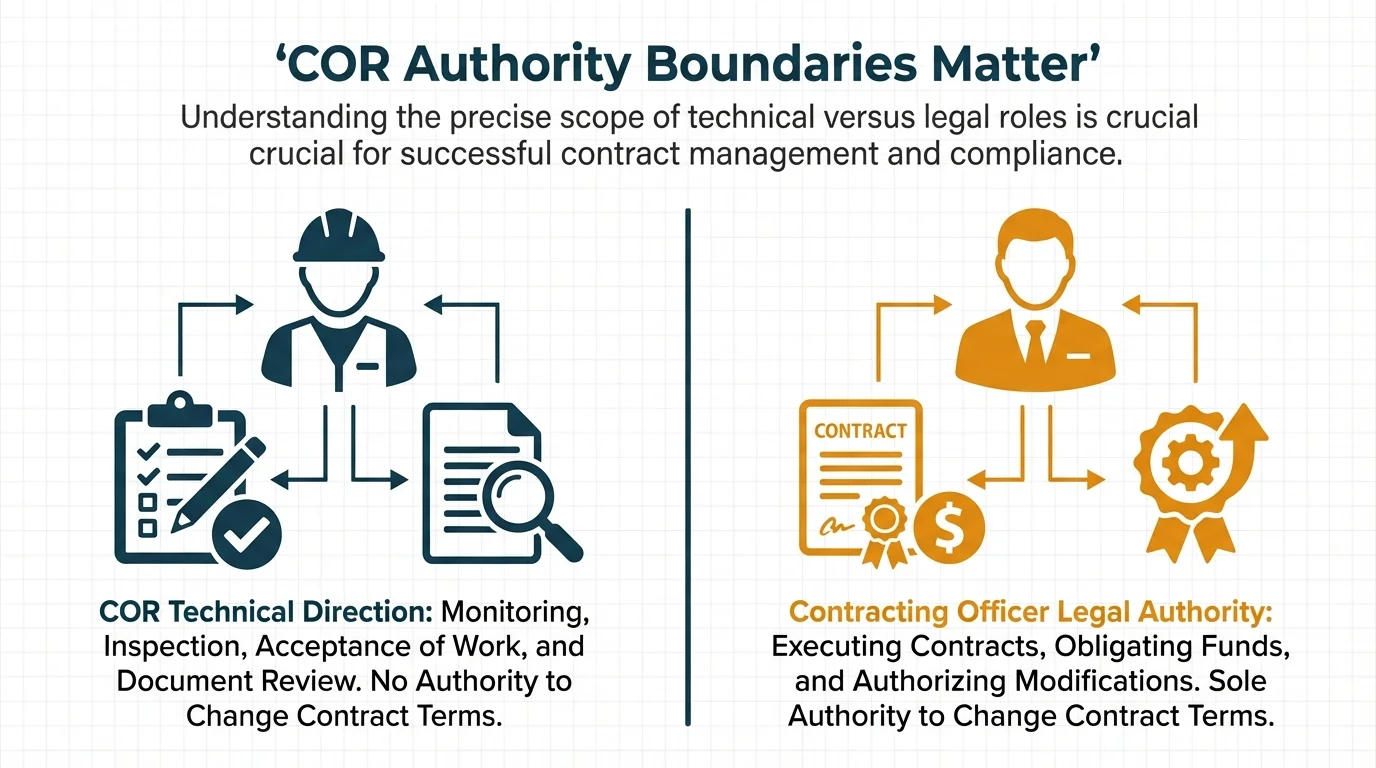
A COR does not replace the contracting officer’s authority. The contracting officer retains legal authority over contract modifications, funding changes, and administrative decisions. The COR provides technical direction within defined boundaries.
Oversight responsibilities center on monitoring contractor deliverables, verifying quality standards, and documenting performance. CORs conduct inspections, review technical submissions, and track contractor safety compliance. They identify performance deficiencies early, preventing costly delays and contract disputes.
Delegation of Authority Boundaries
The designation letter establishes what authority the COR possesses and what remains with the contracting officer. Technical direction falls within COR authority. Contract modifications, funding adjustments, and changes to contract scope require contracting officer approval.
Understanding these boundaries prevents unauthorized commitments. A COR who exceeds delegated authority creates legal liability for the organization.
Technical direction involves clarifying requirements, answering contractor questions about specifications, and interpreting technical standards. Administrative oversight requires contracting officer involvement. CORs refer contractors to the contracting officer for any discussions about price adjustments, contract extensions, or scope changes.
Coordination with Requiring Activities
CORs serve as the primary technical interface between contractors and requiring activities. Program managers and technical specialists rely on COR oversight to confirm contractors deliver specified capabilities.
Regular coordination meetings maintain alignment between technical requirements and contractor performance. CORs translate technical concerns into actionable surveillance activities and quality assurance metrics.
COR Designation and Appointment Process
Formal designation begins with the contracting officer issuing a designation letter. This document defines oversight responsibilities, specifies surveillance requirements, and establishes reporting protocols.
The designation letter identifies the specific contract, describes technical direction authority, and outlines limitations. It specifies surveillance plan requirements, documentation standards, and communication procedures with the contracting officer.
Appointment requires confirming the designated individual meets qualification requirements before accepting oversight duties. CORs cannot legally perform oversight responsibilities until formal designation occurs.
Designation Letter Essential Elements
Every designation letter must include contract identification, scope of authority, surveillance requirements, reporting frequency, and expiration conditions. The letter specifies which performance standards the COR monitors and which decisions require contracting officer approval.
Clear documentation of authority boundaries protects both the COR and the organization. Ambiguous designation letters create confusion about who can authorize specific actions.
The contracting officer may modify designation letters during contract performance to adjust surveillance requirements or clarify authority boundaries. CORs should request letter modifications when oversight responsibilities change or when authority boundaries prove unclear.
Acceptance of Designation
Accepting designation commits the individual to fulfill specified oversight responsibilities. This includes maintaining surveillance plans, conducting inspections, documenting contractor performance, and meeting reporting deadlines.
Before accepting, prospective CORs should verify they possess required qualifications and can dedicate sufficient time to surveillance activities. Inadequate time allocation leads to surveillance gaps and compliance failures.
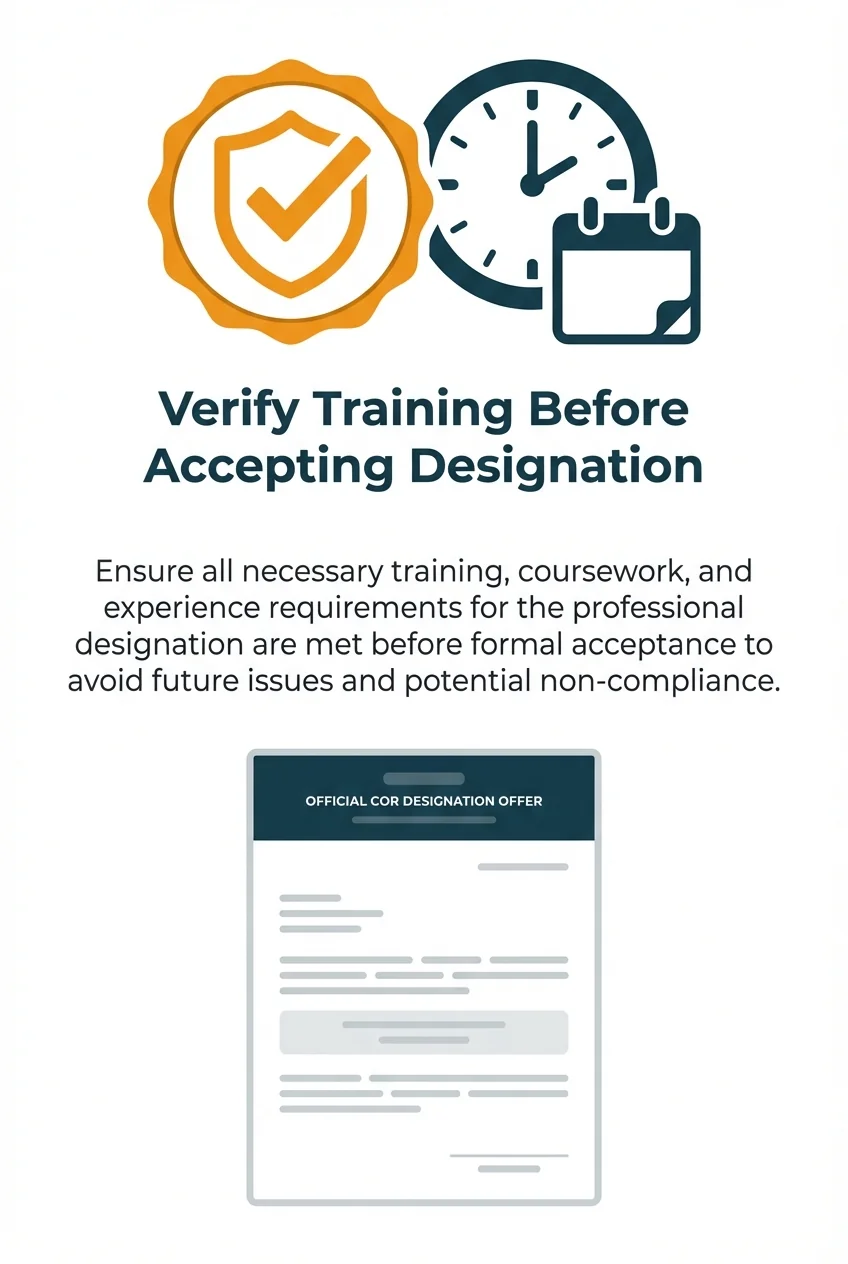
CORs acknowledge acceptance through formal written response to the designation letter. This creates an official record of oversight responsibility transfer.
Essential Training and Qualification Requirements
COR qualification standards ensure oversight personnel possess necessary knowledge of contract administration, surveillance methodologies, and documentation requirements. Training requirements vary based on contract complexity and dollar value.
Basic COR training covers Federal Acquisition Regulation principles, contract types, performance monitoring techniques, and documentation standards. Advanced training addresses specialized requirements for complex construction contracts, information technology services, or professional services.
Organizations should verify COR training certification before issuing designation letters. Unqualified CORs lack the knowledge foundation to perform effective oversight.
Core Competency Areas
Effective CORs demonstrate competency in contract interpretation, quality assurance methodologies, safety regulation compliance, and communication protocols. They understand technical requirements sufficiently to evaluate contractor performance against specifications.
Competency development requires both formal training and practical experience. New CORs benefit from mentorship by experienced oversight personnel during initial contracts.
Ongoing professional development maintains competency as regulations evolve and contract types grow more complex. Annual refresher training keeps CORs current on updated policies and emerging oversight tools.
Certification Maintenance
Many organizations require COR certification renewal every three years. Renewal typically involves completing continuing education courses covering regulatory updates and surveillance methodology improvements.
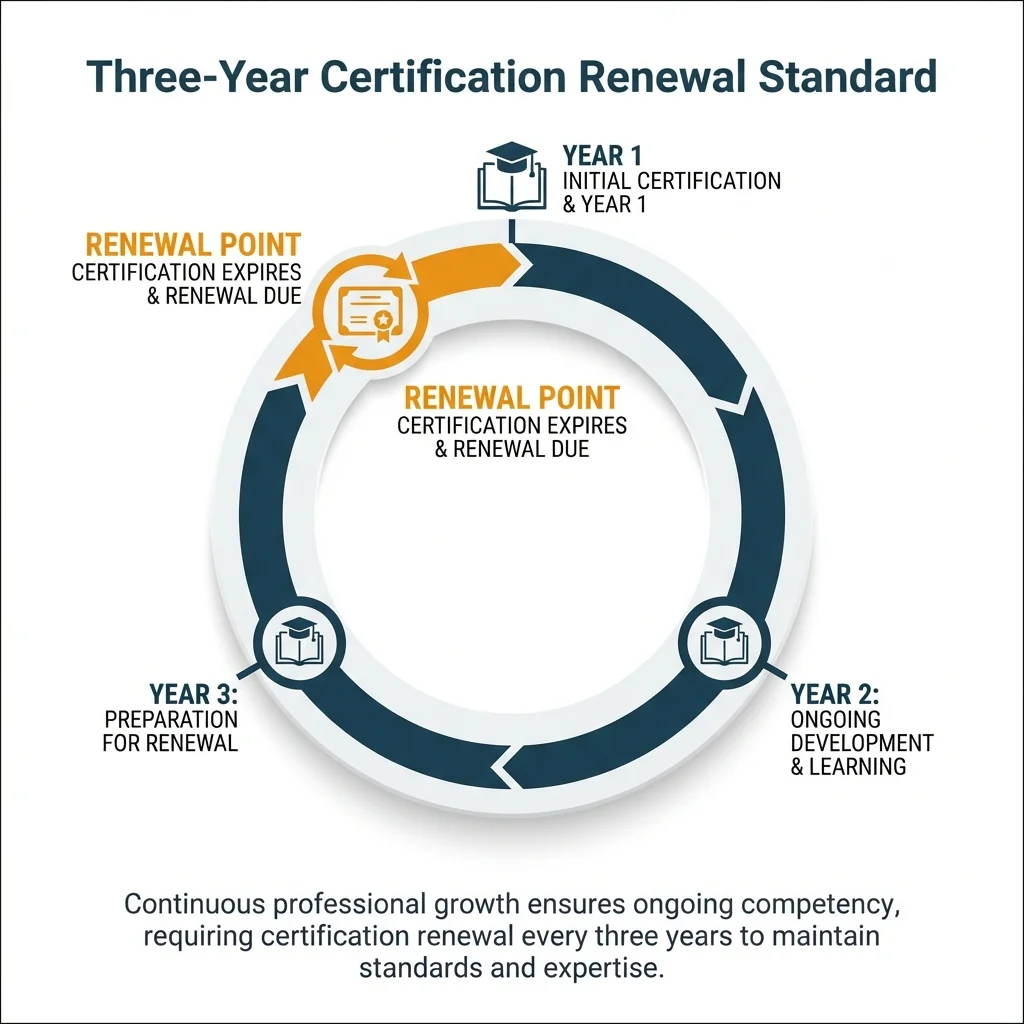
Maintaining current certification demonstrates commitment to professional oversight standards. Expired certifications may invalidate designation authority until renewal occurs.
Key Oversight Responsibilities for Contractor Management
COR oversight responsibilities encompass monitoring contractor performance, verifying deliverable quality, tracking safety compliance, and documenting surveillance activities. These duties protect organizational interests while ensuring contractors receive clear technical direction.
Daily oversight involves reviewing contractor work progress, conducting site inspections, and addressing technical questions. CORs verify contractors follow approved procedures and meet quality standards before accepting deliverables.
Performance monitoring requires comparing actual contractor work against contract requirements. CORs identify deviations early, allowing corrective action before problems escalate.
Technical Direction Versus Administrative Changes
Technical direction clarifies existing requirements without changing contract scope or cost. A COR can explain how to interpret specifications, identify acceptable materials, or describe expected deliverable formats.
Administrative changes modify contract terms, adjust pricing, or alter delivery schedules. These require contracting officer approval. CORs who provide technical direction that inadvertently changes scope create unauthorized commitments.
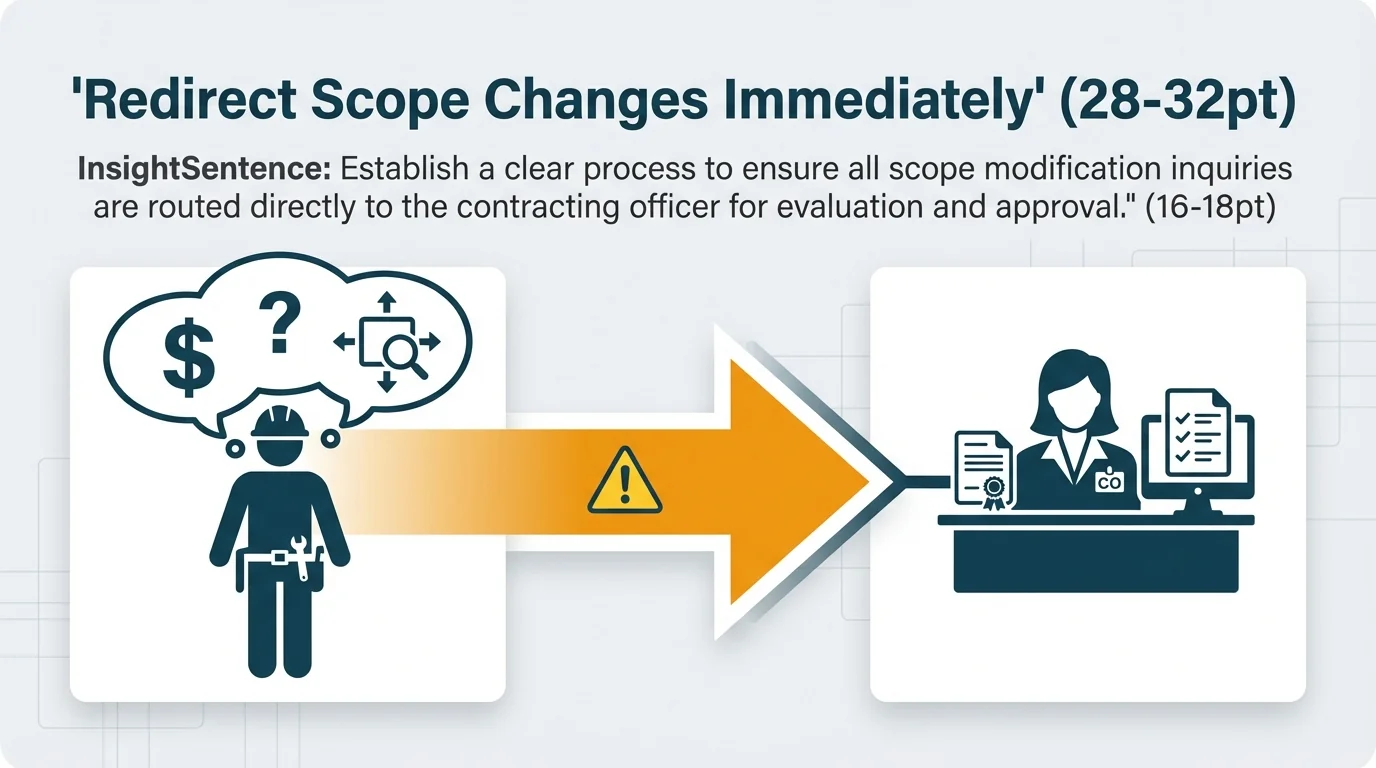
When contractor questions involve potential scope changes or cost impacts, CORs should redirect contractors to the contracting officer. This protects against unauthorized commitments while maintaining clear communication channels.
Contract Performance Evaluation
Regular performance evaluation documents contractor strengths and identifies improvement areas. CORs assess technical quality, schedule adherence, safety compliance, and communication responsiveness.
Objective performance evaluation requires documented evidence from surveillance activities. Subjective assessments without supporting documentation lack credibility during disputes.
Performance ratings inform contract renewal decisions and provide contractors feedback for improvement. Constructive evaluation helps high-performing contractors maintain standards while motivating underperformers to improve.
Communication with Contracting Officers
Frequent communication between CORs and contracting officers prevents misunderstandings and ensures alignment on oversight priorities. CORs should immediately notify contracting officers of significant performance deficiencies, safety violations, or potential contract disputes.
Written communication creates documentation trails for critical decisions. Email updates, formal reports, and surveillance documentation provide evidence if disputes arise.
Establishing regular check-in schedules maintains communication consistency. Weekly or monthly status calls keep contracting officers informed without overwhelming them with minor details.
Implementing Quality Assurance Surveillance Plans
The Quality Assurance Surveillance Plan (QASP) defines how the COR monitors contract performance. This document specifies surveillance methods, performance standards, inspection frequencies, and acceptance criteria.
Effective surveillance plans align monitoring activities with critical contract requirements. CORs focus oversight on high-risk areas and performance standards that significantly impact mission success.
QASP development begins during contract planning. CORs should participate in surveillance plan creation to ensure monitoring approaches prove practical and resource-efficient.
Surveillance Methods Selection
Common surveillance methods include periodic inspections, random sampling, customer feedback surveys, and performance data analysis. The QASP should specify which methods apply to each performance standard.
Inspection frequency balances oversight thoroughness against resource constraints. High-risk activities require more frequent surveillance than routine tasks with established performance history.
Mixing surveillance methods provides comprehensive performance visibility. Inspections verify physical work quality while contractor-submitted reports track schedule progress.
Performance Standards Documentation
Clear performance standards enable objective contractor evaluation. Standards should specify measurable criteria rather than subjective expectations.
Quantifiable standards might include delivery timelines, defect rates, safety incident frequencies, or customer satisfaction scores. Qualitative standards require detailed descriptions of acceptable performance.
The QASP should document acceptable quality levels for each performance standard. This prevents disputes about whether contractor performance meets requirements.
CoRGuard QASP Integration
CoRGuard digitizes surveillance plans, transforming static documents into automated workflow tools. CORs create inspection schedules, assign surveillance tasks, and track completion status through the platform dashboard.
The system generates automated reminders before scheduled inspections, preventing missed surveillance deadlines. Inspection checklists embedded in the platform ensure consistent evaluation criteria across multiple CORs.
Real-time surveillance data flows directly into performance reports. Contracting officers access current contractor performance status without waiting for monthly written reports.
Monitoring Contractor Safety and Performance
Contractor safety management ranks among the most critical COR oversight responsibilities. Safety violations expose workers to injury risks while creating legal liability for the contracting organization.
Safety compliance monitoring involves reviewing contractor Site-Specific Safety and Health Plans (SSSHP), conducting safety audits, tracking incident reports, and verifying corrective action implementation.
Proactive safety oversight identifies hazards before incidents occur. CORs who wait for accidents to trigger safety reviews fail their duty to protect workers.
Safety Audit Procedures
Regular safety audits verify contractors implement approved safety procedures. CORs should inspect work sites for proper personal protective equipment use, hazard controls, and emergency equipment accessibility.
Safety audits require specific technical knowledge of applicable regulations. CORs should complete safety training relevant to the contract work type before conducting safety surveillance.
Documented safety findings create accountability for corrective action. CORs should photograph safety violations and track remediation through follow-up inspections.
Incident Reporting and Investigation
Contractors must report safety incidents according to contract requirements and regulatory standards. CORs verify timely incident reporting and review investigation findings for root cause identification.
Effective incident investigation prevents recurrence. CORs should confirm contractors implement corrective actions beyond addressing immediate incident circumstances.
Tracking incident trends identifies systemic safety problems requiring management attention. Increasing incident frequencies signal deteriorating safety culture or inadequate controls.
CoRGuard Safety Compliance Tools
CoRGuard’s safety compliance module centralizes contractor safety documentation, tracks certification expiration dates, and generates automated alerts for missing safety submissions.
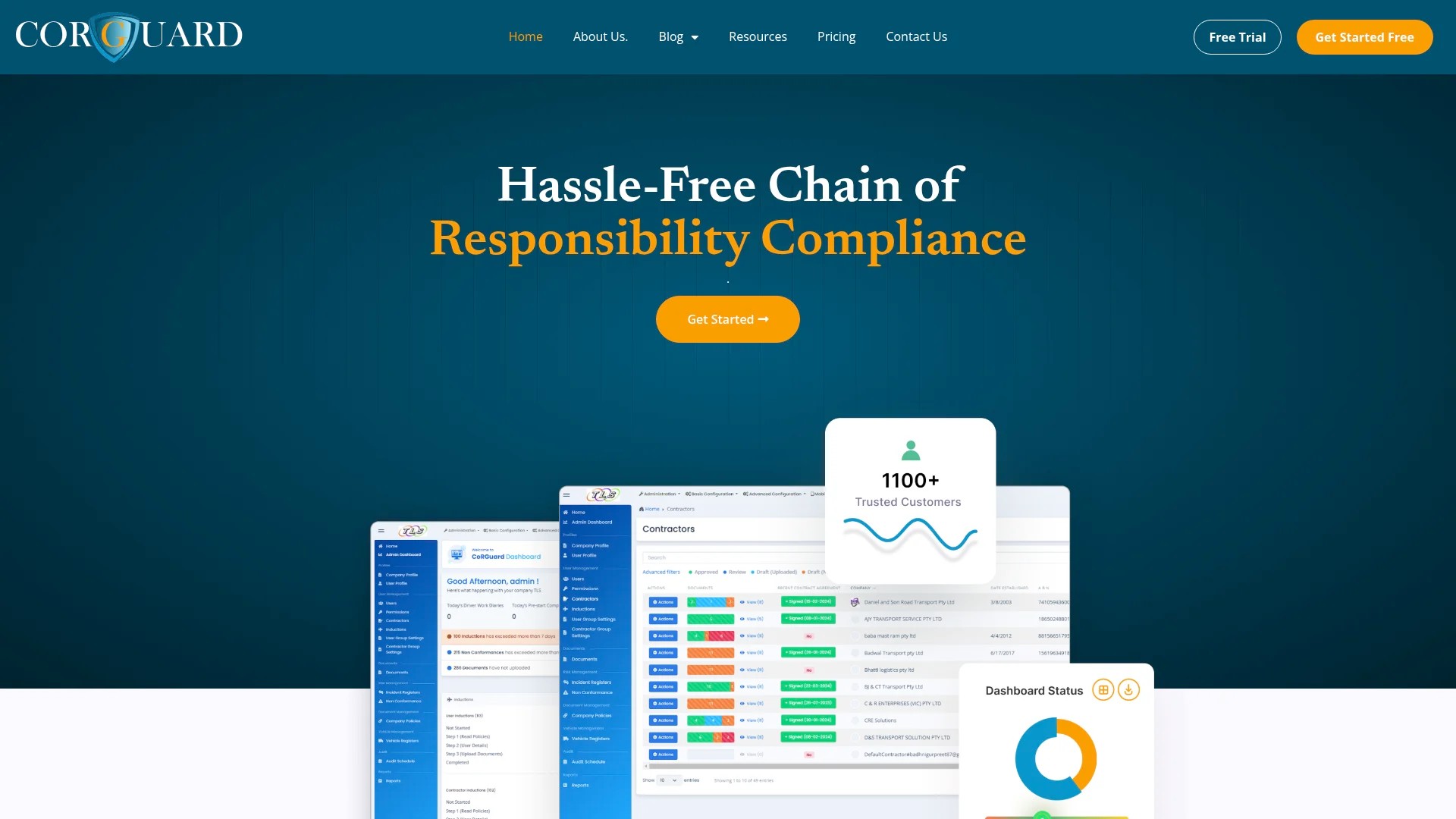
The platform maintains digital records of contractor SSSHP documents, safety training certificates, and incident reports. CORs access complete safety history during audits without searching through file cabinets.
Automated expiration tracking prevents contractors from working with expired safety certifications. The system alerts CORs when contractor certifications approach expiration, allowing proactive renewal before work authorization lapses.
Real-time safety alerts notify CORs immediately when contractors report incidents or submit non-conformance reports. This enables rapid response to serious safety violations.
Documentation and Reporting Best Practices
Comprehensive documentation protects organizational interests during disputes and provides evidence of diligent oversight. CORs should document all significant contractor interactions, surveillance findings, and performance evaluations.
Documentation standards require recording dates, participants, topics discussed, and decisions made. Vague notes lack the specificity needed to support conclusions during disputes.
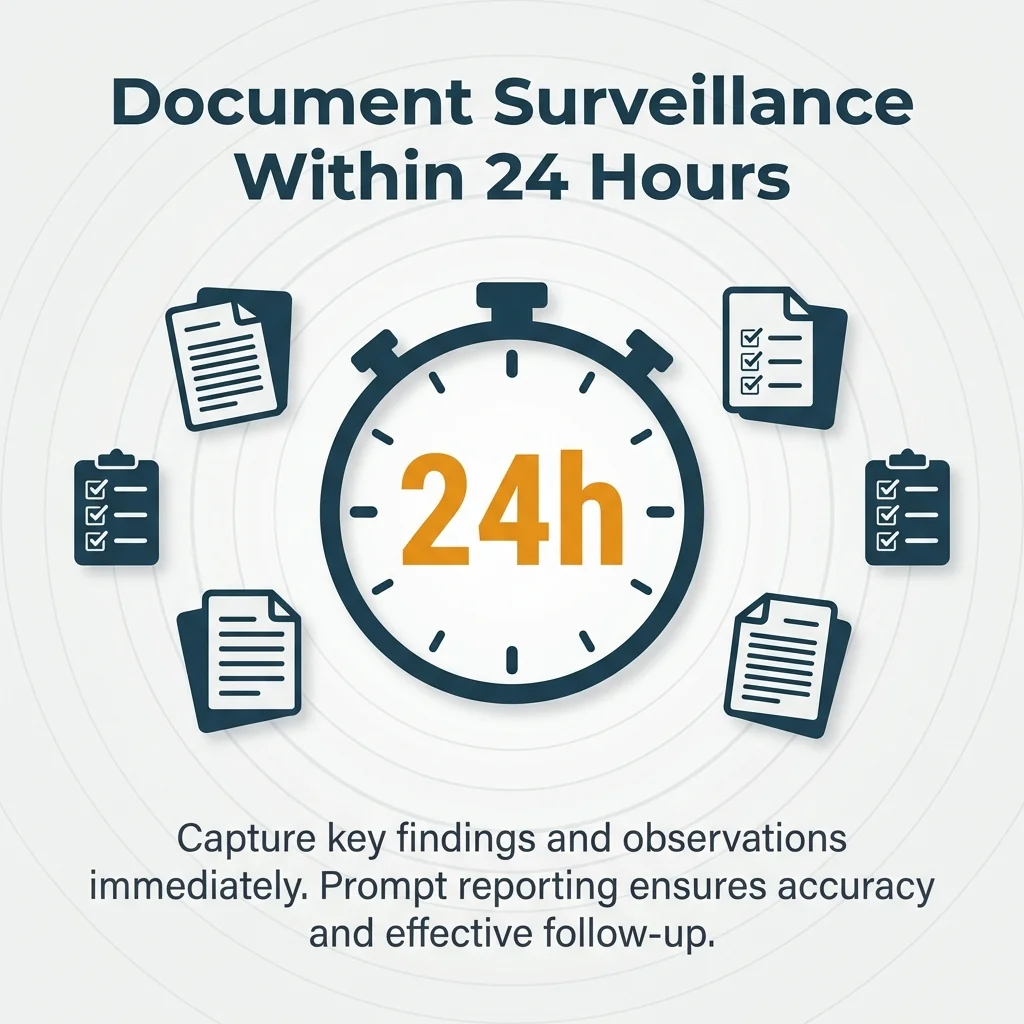
Timely documentation proves more reliable than delayed recordkeeping. CORs should complete surveillance documentation within 24 hours while details remain fresh.
Record Keeping Requirements
COR records must include designation letters, surveillance plans, inspection reports, contractor correspondence, performance evaluations, and meeting minutes. These documents demonstrate oversight diligence and support contracting officer decisions.
Electronic recordkeeping systems offer advantages over paper files for search capability and backup protection. CORs should maintain organized file structures enabling rapid document retrieval.
Retention requirements typically mandate keeping contract records for several years after contract completion. Premature document destruction eliminates evidence needed during audits or disputes.
Performance Reporting Frequency
Designation letters specify performance reporting frequency. Common schedules include weekly progress updates, monthly performance reports, and quarterly comprehensive evaluations.
Reports should summarize surveillance activities, document performance against standards, identify concerns, and recommend corrective actions. Contracting officers need sufficient detail to make informed decisions without reading excessive documentation.
Consistent reporting demonstrates oversight thoroughness. Gaps in reporting create questions about surveillance adequacy.
CoRGuard Documentation Automation
CoRGuard eliminates manual report compilation through automated performance dashboards. The platform aggregates surveillance data from inspections, contractor submissions, and safety audits into comprehensive performance summaries.
CORs generate reports by selecting date ranges and performance categories. The system compiles relevant documentation automatically rather than requiring manual file searches.
Version control features maintain complete audit trails showing who modified records and when changes occurred. This protects record integrity during disputes about documentation timing or content.
Electronic signature capabilities enable secure approval workflows. Contracting officers review and approve reports digitally without printing, signing, and scanning paper documents.
Using CoRGuard for Streamlined Contractor Oversight
CoRGuard consolidates contractor oversight functions into a unified compliance management platform. The system addresses common COR challenges including surveillance scheduling, document tracking, performance monitoring, and reporting automation.
Implementation begins with configuring contract-specific surveillance requirements, importing contractor data, and establishing user permissions. CORs customize inspection checklists, notification triggers, and reporting templates to match contract requirements.
The platform dashboard provides real-time visibility into all active contracts, upcoming surveillance deadlines, and contractor compliance status. CORs identify attention priorities at a glance rather than reviewing multiple spreadsheets.
Core Platform Capabilities
CoRGuard’s non-conformance reporting module enables CORs to document performance deficiencies, assign corrective actions, and track resolution status. Contractors receive automated notifications of new non-conformance reports with specified correction deadlines.
The incident management system centralizes safety reporting and investigation tracking. CORs review incident details, verify root cause analysis completeness, and confirm corrective action implementation.
Maintenance tracking functionality monitors contractor equipment serviceability and compliance with maintenance schedules. This proves particularly valuable for contracts involving fleet vehicles or specialized equipment.
Compliance Dashboard Features
The compliance dashboard aggregates contractor performance across multiple metrics including safety incident rates, deliverable acceptance percentages, schedule adherence, and documentation submission timeliness.
Visual indicators highlight contractors requiring immediate attention due to performance deficiencies or compliance gaps. CORs prioritize surveillance activities based on risk indicators rather than arbitrary schedules.
Trend analysis capabilities identify performance patterns over time. Declining performance trends trigger early intervention before problems escalate.
Mobile Inspection Tools
CoRGuard’s mobile application enables CORs to conduct site inspections using tablets or smartphones. Inspection checklists display on mobile devices, allowing real-time completion during site visits.
Photo documentation capabilities let CORs capture evidence immediately at inspection locations. Images attach directly to inspection reports rather than requiring separate photo management.
Offline functionality ensures inspections proceed even without cellular connectivity. The application synchronizes data automatically when network access resumes.
Implementation Best Practices
Successful CoRGuard implementation requires adequate planning time for configuration and user training. Organizations should allocate two to four weeks for system setup depending on contract complexity and user count.
Initial configuration involves importing existing contract data, establishing surveillance schedules, and creating inspection templates. Starting with one or two pilot contracts enables refinement before enterprise-wide deployment.
Comprehensive user training ensures CORs understand platform capabilities and navigation. Training should cover standard workflows, mobile application use, and reporting functions.
Ongoing support maintains user adoption and addresses questions as CORs encounter new oversight scenarios. Establishing internal platform champions provides peer support for less experienced users.
Measuring Oversight Effectiveness
Effective COR performance demonstrates through completed surveillance activities, timely reporting, accurate documentation, and proactive problem identification. Organizations should establish COR performance metrics aligned with oversight quality rather than just activity counts.
Quality metrics might include percentage of surveillance activities completed on schedule, average time to document inspection findings, or frequency of contractor performance improvements following COR feedback.
Regular self-assessment helps CORs identify personal improvement opportunities. Reviewing recent surveillance activities against designation letter requirements reveals oversight gaps needing attention.
CoRGuard provides COR performance analytics showing surveillance completion rates, documentation timeliness, and contractor interaction frequency. Supervisors use these metrics to identify CORs requiring additional support or training.
Continuous improvement requires honestly evaluating what worked well and what needs refinement. CORs should adjust surveillance approaches based on lessons learned rather than rigidly following initial plans that prove ineffective.