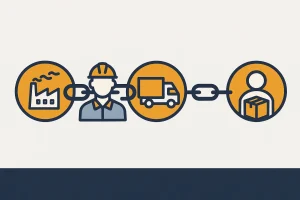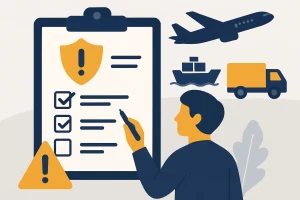
Transport safety digitization means replacing manual safety processes with interconnected digital systems that collect, analyze, and act on real-time data. Successful implementation combines IoT sensors, telematics platforms, AI-powered predictive analytics, and automated compliance tracking to prevent accidents before they occur. The core technologies work together: GPS and RFID track vehicle locations, onboard sensors monitor driver behavior and vehicle health, machine vision detects hazards, and cloud platforms integrate everything into actionable dashboards. Organizations typically start with fleet tracking and basic telematics, then layer on predictive maintenance, driver coaching systems, and eventually autonomous safety features.
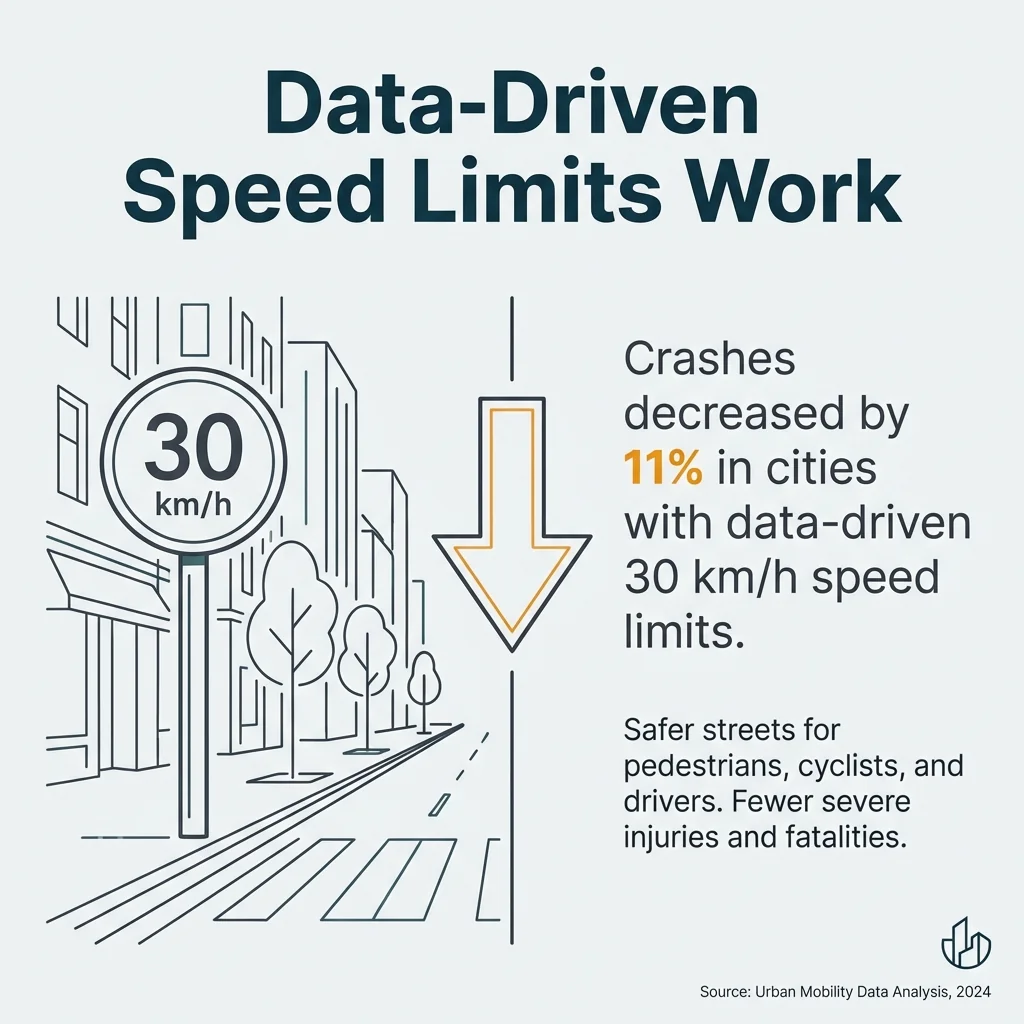
This transformation delivers measurable results. Crashes decreased by 11% in cities with data-driven 30 km/h speed limits. Digital enforcement tools work too.
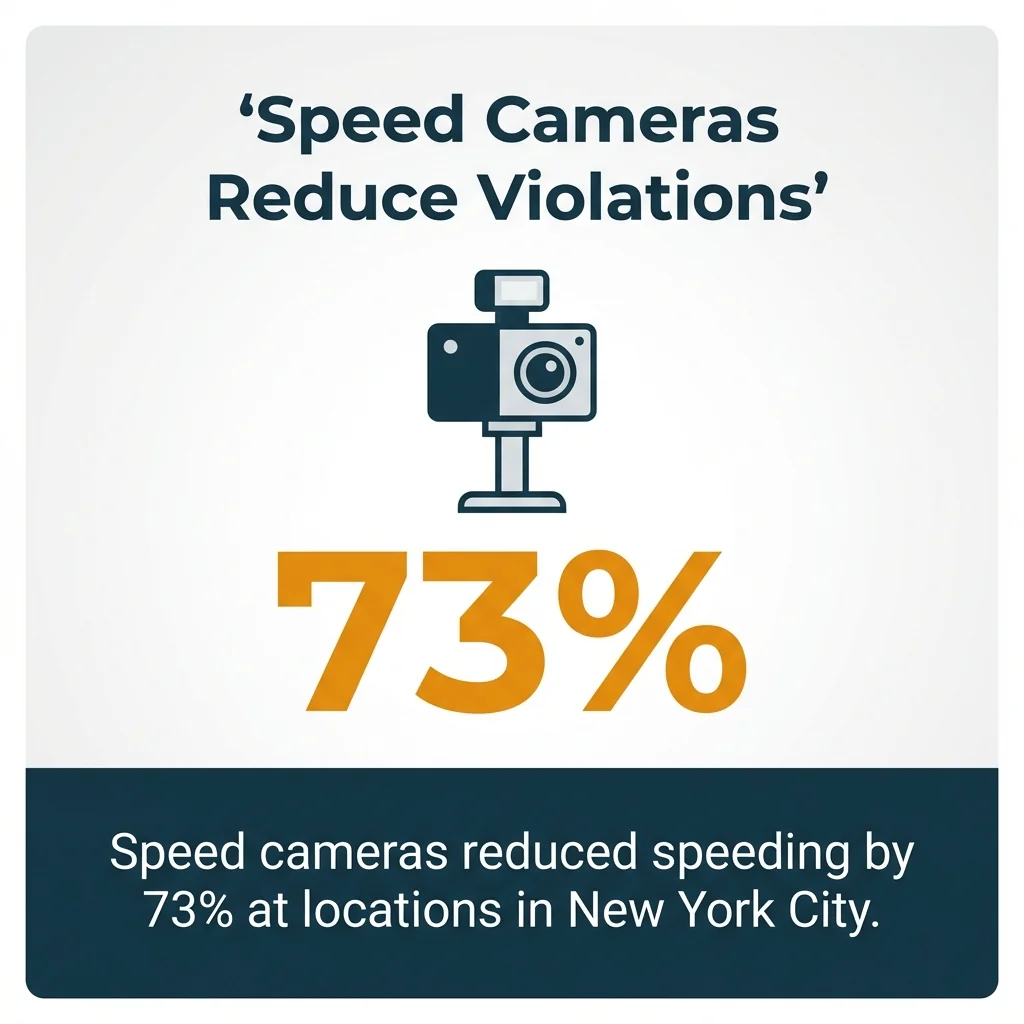
Speed cameras reduced speeding by 73% at locations in New York City. These aren’t marginal improvements. They represent fundamental shifts in how organizations prevent accidents rather than react to them.
The path forward involves understanding which technologies solve which safety challenges, how to integrate systems without disrupting operations, and where to start based on your specific risk profile. You’ll learn how IoT sensors create real-time visibility, how AI predicts equipment failures, and how digital driver coaching reduces incidents through behavior change rather than punishment.
What Digital Transformation Means for Transportation Safety
Digital transformation in transportation safety represents the systematic replacement of reactive, manual safety processes with proactive, automated systems that prevent incidents through data analysis. Traditional approaches relied on post-incident investigations and periodic inspections. Digital systems monitor conditions continuously and intervene before accidents occur.
The transformation encompasses multiple operational layers. Vehicle health monitoring replaces scheduled maintenance with condition-based interventions. Driver behavior systems provide real-time coaching instead of quarterly reviews. Route optimization considers current traffic, weather, and road conditions rather than static planning. Compliance documentation shifts from paper trails to automated electronic records.
Core technologies work as interconnected ecosystems rather than standalone tools. Telematics devices capture vehicle data. IoT sensors monitor environmental conditions. GPS systems track locations and movements. Cloud platforms integrate everything into unified dashboards. AI algorithms identify patterns humans would miss. Mobile applications connect drivers to centralized operations.
This approach fundamentally changes the safety operating model. Manual processes created delays between data collection and action. Digital systems analyze information in real-time and trigger automated responses. A driver showing fatigue signs receives an immediate alert. A vehicle approaching maintenance thresholds gets scheduled before failure occurs. A construction zone updates connected vehicle systems instantly.
The Scope of Transportation Safety Digitization
Transportation safety digitization extends beyond vehicle tracking. It encompasses infrastructure monitoring, regulatory compliance automation, incident management, and operational decision-making. Modern systems integrate data from vehicles, drivers, infrastructure, weather services, and traffic management systems.
Fleet management forms the foundation. GPS tracking provides location visibility. Telematics captures speed, braking, acceleration, and route adherence. Engine diagnostics monitor mechanical health. Fuel consumption patterns reveal efficiency opportunities. All data flows to centralized platforms for analysis.
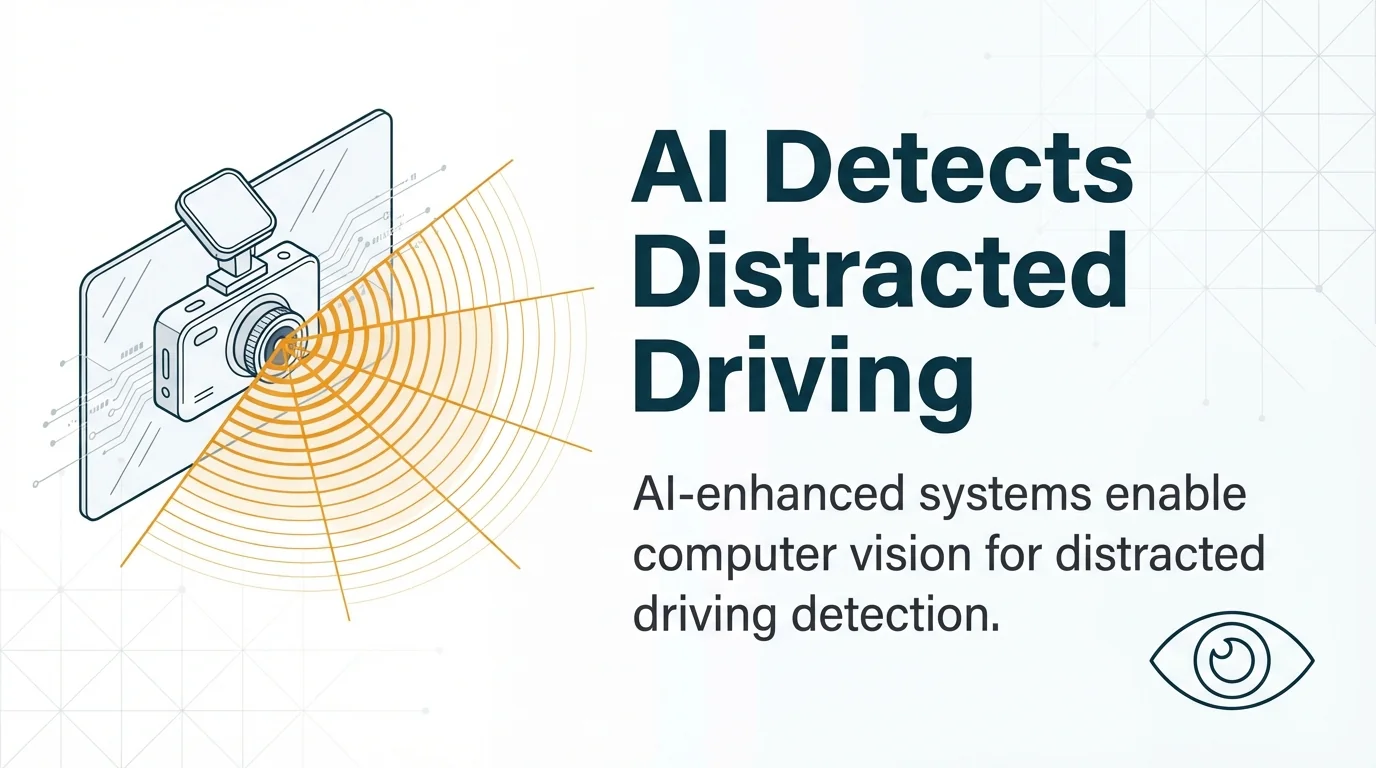
Driver safety programs digitize behavior monitoring and coaching. Dashcams with AI-powered analysis detect distracted driving, harsh braking, and unsafe following distances. AI-enhanced systems enable computer vision for distracted driving detection. Systems generate coaching events automatically rather than waiting for managers to review footage manually.
Work zone safety leverages connected vehicle technology. Digital signage responds to real-time conditions. Worker wearables detect proximity to moving equipment. Site sensors monitor environmental hazards. All systems communicate to prevent incidents before they occur.
Why Traditional Safety Approaches Fall Short
Manual safety processes suffer from inherent limitations. Inspections occur at fixed intervals regardless of actual vehicle usage or condition. Driver evaluations happen periodically rather than continuously. Incident investigations look backward instead of preventing future occurrences. Paper documentation creates compliance gaps and audit challenges.
Data remains siloed across departments and systems. Maintenance teams can’t access driver behavior patterns. Operations doesn’t see vehicle health trends. Safety managers lack integrated visibility. Decision-making relies on intuition rather than comprehensive data analysis.
Response times create risk exposure. Manual processes insert delays between hazard detection and corrective action. A driver exhibiting fatigue may complete an entire shift before intervention. Vehicle maintenance issues worsen between scheduled inspections. Compliance violations accumulate before detection.
The volume of safety-relevant data exceeds human processing capacity. Modern commercial vehicles generate thousands of data points daily. Analyzing this information manually becomes impossible. Critical patterns remain hidden. Opportunities for prevention get missed.
Why Digitization Matters for Transportation Safety Now
Regulatory environments increasingly demand electronic documentation and real-time compliance demonstration. Manual record-keeping struggles to meet evolving standards. Authorities expect organizations to prove ongoing compliance rather than produce documents during audits. Digital systems provide continuous compliance verification and automated reporting.
Insurance costs reflect safety performance with greater precision. Telematics data allows insurers to assess risk more accurately. Organizations with strong digital safety programs negotiate better rates. Those relying on manual processes face higher premiums. The financial impact of digitization extends beyond direct safety improvements.
Workforce expectations have shifted. Drivers expect modern tools comparable to consumer technology. Paper logs and manual reporting feel outdated. Digital systems that streamline administrative tasks improve driver satisfaction and retention. Organizations using modern safety technology attract better talent.
Competitive pressure intensifies. Customers increasingly require digital safety capabilities from transport providers. They want real-time shipment visibility, proof of compliance, and incident response protocols. Organizations without these capabilities lose business to digitally advanced competitors.
The Data-Driven Safety Advantage
Data transforms safety from reactive to predictive. Traditional approaches addressed incidents after occurrence. Digital systems identify risk patterns before accidents happen. Machine learning algorithms detect subtle correlations between variables that manual analysis misses.
Real-time visibility enables immediate intervention. When sensors detect driver fatigue, systems can require rest breaks. When vehicle diagnostics show impending failure, maintenance gets scheduled proactively. When weather conditions deteriorate, routes adjust automatically. The time between hazard detection and response shrinks from days to seconds.
Comprehensive data supports better decision-making. Safety managers see trends across entire fleets rather than individual incidents. They identify systemic issues requiring policy changes. They measure intervention effectiveness objectively. Resource allocation improves because data reveals highest-risk areas.
Documentation accuracy and completeness improve dramatically. Digital systems capture information automatically without relying on manual entry. Timestamps prove compliance timing. GPS coordinates verify locations. Electronic signatures confirm acknowledgment. Audit preparation changes from document gathering to system access provisioning.
Measurable Safety Outcomes from Digitization
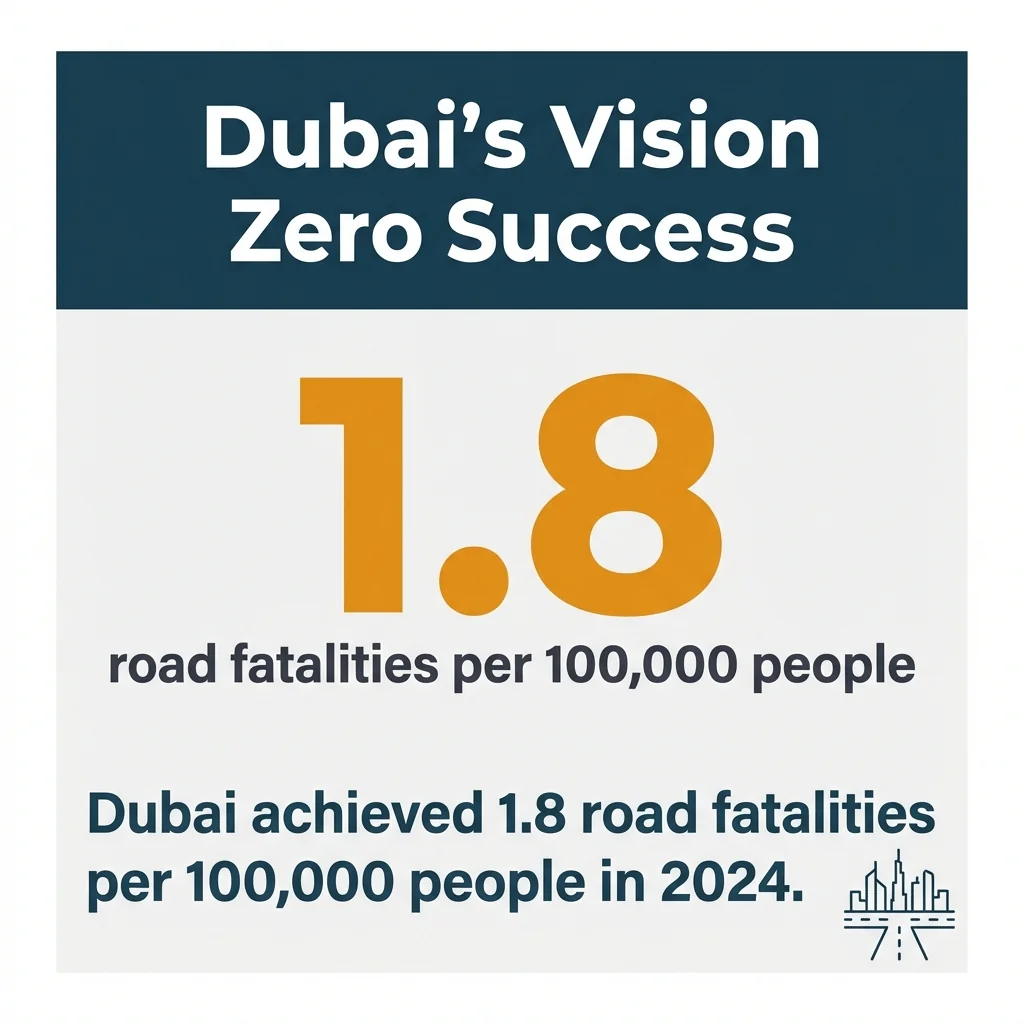
Organizations implementing comprehensive digitization programs achieve significant safety improvements. Dubai achieved 1.8 road fatalities per 100,000 people in 2024. This success resulted from systematic application of safety technology and data-driven policy adjustments.
Driver behavior monitoring reduces incident rates through targeted coaching. Systems identify specific behaviors requiring improvement rather than general performance ratings. Drivers receive immediate feedback when unsafe actions occur. Coaching focuses on evidence rather than subjective observations. Behavior changes because interventions happen in real-time.
Predictive maintenance prevents breakdowns that create safety hazards. Vehicles don’t experience sudden failures in dangerous locations. Brake systems get serviced before deterioration reaches critical levels. Tire replacements happen based on actual wear rather than arbitrary schedules. Maintenance-related incidents decline substantially.
Route optimization considers safety factors alongside efficiency metrics. Systems avoid high-risk areas during dangerous conditions. They identify safer alternatives when weather deteriorates. They prevent driver hour violations by planning routes within regulatory limits. Safety and efficiency work together rather than competing.
Core Technologies Driving Transportation Safety Digitization
Transportation safety digitization relies on several interconnected technology categories. Each serves specific functions while contributing to an integrated safety ecosystem. Understanding these technologies helps organizations plan implementation strategies that address their unique risk profiles.
Sensor networks form the foundational data collection layer. GPS receivers track vehicle locations and movements. Accelerometers detect harsh braking, rapid acceleration, and sharp cornering. Gyroscopes measure vehicle stability and rollover risk. Temperature sensors monitor cargo conditions and equipment overheating. Proximity sensors detect obstacles and prevent collisions.
Communication systems transmit data from vehicles to centralized platforms. Cellular networks provide broad coverage for fleet tracking. Dedicated short-range communications enable vehicle-to-vehicle and vehicle-to-infrastructure messaging. Satellite systems cover remote areas without cellular service. Bluetooth connects mobile devices to vehicle systems.
Processing platforms turn raw data into actionable intelligence. Edge computing devices analyze information locally for immediate responses. Cloud platforms aggregate data from entire fleets for pattern analysis. AI and machine learning algorithms identify subtle correlations and predict future events. Data warehouses store historical information for long-term trend analysis.
GPS and Location Intelligence Systems
GPS tracking provides the geographic foundation for transportation safety digitization. Modern systems do more than show vehicle locations on maps. They create geofences around sensitive areas, verify route adherence, calculate accurate mileage, and provide precise timestamps for compliance documentation.
Location data enables automated alerts when vehicles enter high-risk zones. Systems can notify drivers about upcoming construction areas, sharp curves, or accident-prone intersections. They can enforce speed limits that vary by location. They can prevent unauthorized use by alerting when vehicles operate outside designated areas or times.
Route analysis identifies safety improvement opportunities. Historical GPS data reveals where drivers consistently exceed safe speeds. It shows which routes generate more harsh braking events. It identifies locations where drivers deviate from planned paths. This information guides infrastructure improvements and policy changes.
GPS accuracy improvements enable increasingly sophisticated applications. Differential GPS and real-time kinematic positioning provide centimeter-level accuracy. This precision supports lane-level tracking for work zone safety. It enables accurate positioning for autonomous vehicle features. It verifies drivers stayed within designated travel lanes.
RFID and Asset Identification Technology
RFID tags provide automated identification for vehicles, equipment, and cargo without line-of-sight requirements. Active tags with onboard power transmit signals over longer distances. Passive tags draw power from reader signals and work at shorter ranges. Both types enable automated tracking workflows that eliminate manual documentation.
Vehicle identification happens automatically when entering facilities. Gates open for authorized vehicles without manual check-in. Systems log arrival and departure times precisely. Unauthorized vehicles trigger alerts. The technology prevents identification errors that paper logs create.
Equipment tracking ensures proper maintenance and certification. RFID tags on safety equipment store inspection dates and maintenance history. Readers verify equipment meets current standards before use. Systems prevent operation of equipment due for inspection. This automation eliminates the risk of outdated equipment remaining in service.
Cargo tracking improves chain-of-custody documentation. RFID tags confirm correct loading, verify secure transport, and detect unauthorized access. Temperature-sensitive cargo gets monitored continuously. Systems alert when environmental conditions deviate from requirements. Documentation happens automatically without manual intervention.
Dashcams and Video Telematics
Video telematics systems combine cameras with AI-powered analysis for comprehensive driver monitoring and incident documentation. Forward-facing cameras capture road conditions and potential hazards. Driver-facing cameras monitor behavior and detect distraction or fatigue. Side and rear cameras provide complete vehicle visibility.
AI algorithms analyze video streams in real-time rather than recording everything for later review. Systems detect specific behaviors like cell phone use, eating, smoking, or looking away from the road. They identify dangerous situations like sudden braking by lead vehicles or pedestrians entering the roadway. They trigger alerts that prompt immediate driver attention.
Incident documentation changes from he-said-she-said disputes to objective video evidence. Systems automatically save footage from critical events. They capture the seconds before and after incidents to show full context. This evidence protects organizations from fraudulent claims and helps resolve legitimate incidents quickly.
Driver coaching becomes more effective with video evidence. Managers review specific incidents with drivers rather than discussing abstract concepts. Drivers see exactly what unsafe behaviors look like. They understand why certain actions triggered alerts. Behavioral changes happen faster because feedback includes concrete examples.
IoT and Telematics: The Foundation of Connected Safety
Telematics platforms integrate multiple data sources into unified safety management systems. They combine GPS location tracking, vehicle diagnostics, driver behavior monitoring, and environmental sensors. This integration creates comprehensive visibility that standalone systems cannot provide.
Modern telematics captures hundreds of vehicle parameters. Engine performance metrics include RPM, temperature, oil pressure, and fuel consumption. Transmission data shows gear selection and shift patterns. Brake systems report pad wear and fluid levels. Battery health monitoring prevents unexpected failures. All information transmits to central platforms for analysis.
Driver behavior scoring uses multiple inputs to generate objective safety ratings. Hard braking events indicate following too closely or inattention. Rapid acceleration shows aggressive driving. Excessive speed violations appear clearly. Seat belt usage confirms compliance. Idle time reveals efficiency opportunities. Scores compare drivers objectively rather than relying on supervisor observations.
Telematics enables usage-based insurance programs that reward safe driving. Insurers access driving data to assess risk accurately. Safe drivers pay lower premiums based on actual behavior. Organizations reduce insurance costs by improving fleet-wide safety scores. The financial benefit reinforces safety culture.
IoT Sensors for Environmental and Vehicle Monitoring
IoT sensor networks extend monitoring beyond standard vehicle telematics. Environmental sensors measure temperature, humidity, air quality, and precipitation. This data helps drivers adjust to conditions and systems optimize routes. Construction sites use sensors to monitor dust levels, noise, and worker proximity to hazards.
Tire pressure monitoring systems prevent blowouts and improve fuel efficiency. Sensors in each tire transmit pressure and temperature readings continuously. Systems alert drivers to gradual leaks before complete failure. They prevent operation when pressure falls below safe thresholds. This simple technology prevents thousands of roadside breakdowns.
Cargo sensors ensure proper transport conditions throughout journeys. Temperature sensors protect perishable goods and pharmaceuticals. Humidity monitors preserve moisture-sensitive materials. Shock sensors detect rough handling. Light sensors reveal unauthorized container opening. Real-time alerts enable immediate response to problems.
Infrastructure sensors communicate with vehicle systems to improve work zone safety. Road-embedded sensors detect vehicle speeds and traffic density. Weather stations provide localized precipitation and temperature data. Volkswagen Group vehicles use anonymized swarm data to generate high-resolution maps that include real-time hazard information.
Connected Vehicle Ecosystems
Vehicle-to-vehicle communication enables cars to share safety-critical information directly. A vehicle detecting ice sends warnings to following traffic. Hard braking events alert nearby vehicles to slow down. Disabled vehicles broadcast their locations to prevent secondary collisions. These direct communications happen faster than centralized traffic management systems.
Vehicle-to-infrastructure communication integrates vehicles with smart road systems. Traffic signals adjust timing based on actual vehicle flow. Construction zones transmit speed limits directly to vehicles. Parking systems guide drivers to available spaces. Toll collection happens automatically without stopping. The entire transportation network becomes more efficient and safe.
Data sharing creates network effects where more connected vehicles improve safety for everyone. Anonymous data about hazards, traffic conditions, and route timing benefits all users. Individual vehicles contribute their observations while receiving aggregated intelligence from thousands of others. The collective awareness exceeds what any individual driver could achieve.
Standardization efforts enable interoperability across manufacturers and jurisdictions. Common communication protocols allow different vehicle brands to exchange information. Consistent data formats enable infrastructure compatibility. Security standards protect against malicious interference. These standards accelerate adoption by reducing implementation complexity.
Real-Time Monitoring and Fleet Tracking Solutions
Real-time monitoring transforms fleet management from periodic check-ins to continuous operational awareness. Managers see all vehicle locations simultaneously on interactive maps. They monitor driving behaviors as they occur. They receive instant alerts about exceptions requiring attention. This visibility enables proactive management instead of reactive problem-solving.
Dispatch optimization uses real-time location data to assign jobs efficiently. Systems identify closest available vehicles for new assignments. They reroute drivers around traffic congestion and road closures. They balance workloads across the fleet. Efficiency improves while reducing driver stress and safety risks from rushing.
Exception-based alerts focus attention on situations requiring intervention. Systems notify managers when vehicles exceed speed limits, when drivers miss scheduled breaks, when harsh driving events occur, or when vehicles enter restricted areas. This targeted approach prevents alert fatigue from constant notifications about normal operations.
Historical playback enables detailed incident analysis and training. Managers review exactly what happened during accidents or customer complaints. They see vehicle paths, speeds, and driver actions minute-by-minute. This evidence supports objective investigations and identifies improvement opportunities.
Dynamic Route Optimization and Safety
Route optimization algorithms consider safety factors alongside time and distance. Systems avoid high-crime areas, roads with poor safety records, and routes that require difficult maneuvers. They account for driver experience levels when assigning complex routes. Safety becomes a quantifiable input to routing decisions.
Dynamic rerouting responds to changing conditions throughout journeys. Traffic accidents trigger immediate route adjustments. Weather deterioration shifts paths to safer roads. Construction closures get avoided automatically. Drivers receive updated directions without manual replanning.
Predictive routing uses historical data and machine learning to anticipate conditions. Systems know which roads experience congestion at specific times. They identify routes most likely to meet delivery windows. They predict where parking will be available. This intelligence improves on-time performance while reducing driver stress.
Multi-stop optimization sequences deliveries to minimize backtracking and left turns across traffic. These algorithms reduce accident exposure by decreasing time on the road and avoiding high-risk maneuvers. Efficiency and safety work together rather than creating conflicting priorities.
Fatigue Management Through Digital Monitoring
Hours-of-service compliance automation eliminates paper logbook errors and prevents violations. Electronic logging devices record drive time, on-duty time, and rest breaks automatically. Systems warn drivers before approaching limits. They prevent vehicle operation when drivers exceed allowable hours. Compliance improves dramatically compared to manual logging.
Fatigue detection systems monitor driver alertness through multiple indicators. Cameras track eye movements, blink rates, and head position. Steering pattern analysis detects weaving or correction delays. Lane departure warnings indicate attention lapses. Seat sensors monitor driver position shifts. These inputs combine to assess fatigue levels in real-time.
Proactive intervention prevents fatigue-related incidents. Systems require rest breaks when detecting alertness decline. They increase alert frequency to keep drivers engaged. They suggest nearby rest areas. They notify dispatch to arrange driver switches. Intervention happens before fatigue causes accidents.
Schedule optimization prevents fatigue by planning realistic routes and rest periods. Systems account for traffic delays that extend drive times. They schedule breaks at appropriate intervals. They prevent back-to-back long trips without adequate recovery. Driver health becomes a planning constraint rather than an afterthought.
AI-Powered Predictive Maintenance and Risk Prevention
Predictive maintenance uses machine learning algorithms to forecast equipment failures before they occur. Systems analyze patterns in sensor data that indicate deteriorating performance. They correlate multiple variables to identify failure signatures. Maintenance schedules based on actual condition rather than arbitrary intervals.
Lytx systems employ machine vision and AI for proactive real-time risk detection. These platforms don’t just record events. They analyze patterns across millions of miles of driving data to identify risk factors humans would miss.
Engine diagnostics detect subtle performance changes that signal impending problems. Slight temperature increases indicate cooling system issues. Minor pressure drops reveal developing leaks. Unusual vibration patterns suggest bearing wear. Early detection allows planned repairs instead of roadside breakdowns.
Brake system monitoring prevents failures that cause accidents. Sensors measure pad thickness, rotor wear, and hydraulic pressure. Systems calculate remaining service life based on usage patterns. They schedule replacements before reaching minimum safety thresholds. Brake failures become virtually eliminated.
AI Algorithms for Incident Prediction
Machine learning models identify drivers at elevated risk based on behavior patterns. Systems analyze thousands of variables including driving habits, route characteristics, time of day, weather conditions, and vehicle type. They generate risk scores that predict likelihood of future incidents. High-risk drivers receive targeted coaching before accidents occur.
Collision avoidance systems use AI to detect potential crashes and intervene automatically. Forward radar and cameras identify vehicles, pedestrians, and obstacles. Algorithms calculate collision probability based on relative speeds and trajectories. Systems warn drivers or apply brakes automatically when intervention thresholds are exceeded.
Pattern recognition across large datasets reveals systemic risk factors. AI identifies routes with elevated incident rates, times when accidents cluster, weather conditions that increase dangers, and vehicle configurations with higher risk profiles. Organizations adjust operations based on these insights rather than reacting to individual incidents.
Predictive models improve continuously through machine learning. Systems analyze outcomes from previous predictions to refine algorithms. They incorporate new data sources as they become available. Prediction accuracy increases over time without manual reprogramming.
Autonomous Safety Features and Automation
Advanced driver assistance systems provide automated safety interventions. Lane keeping assist prevents unintended departures. Adaptive cruise control maintains safe following distances. Blind spot monitoring alerts about unseen vehicles. These features reduce driver workload while preventing common accident causes.
Emergency braking systems stop vehicles automatically when collisions appear imminent. Sensors detect obstacles faster than human reaction time allows. Systems calculate whether driver inputs will avoid impact. They brake harder than most drivers would. This automation prevents rear-end collisions and pedestrian strikes.
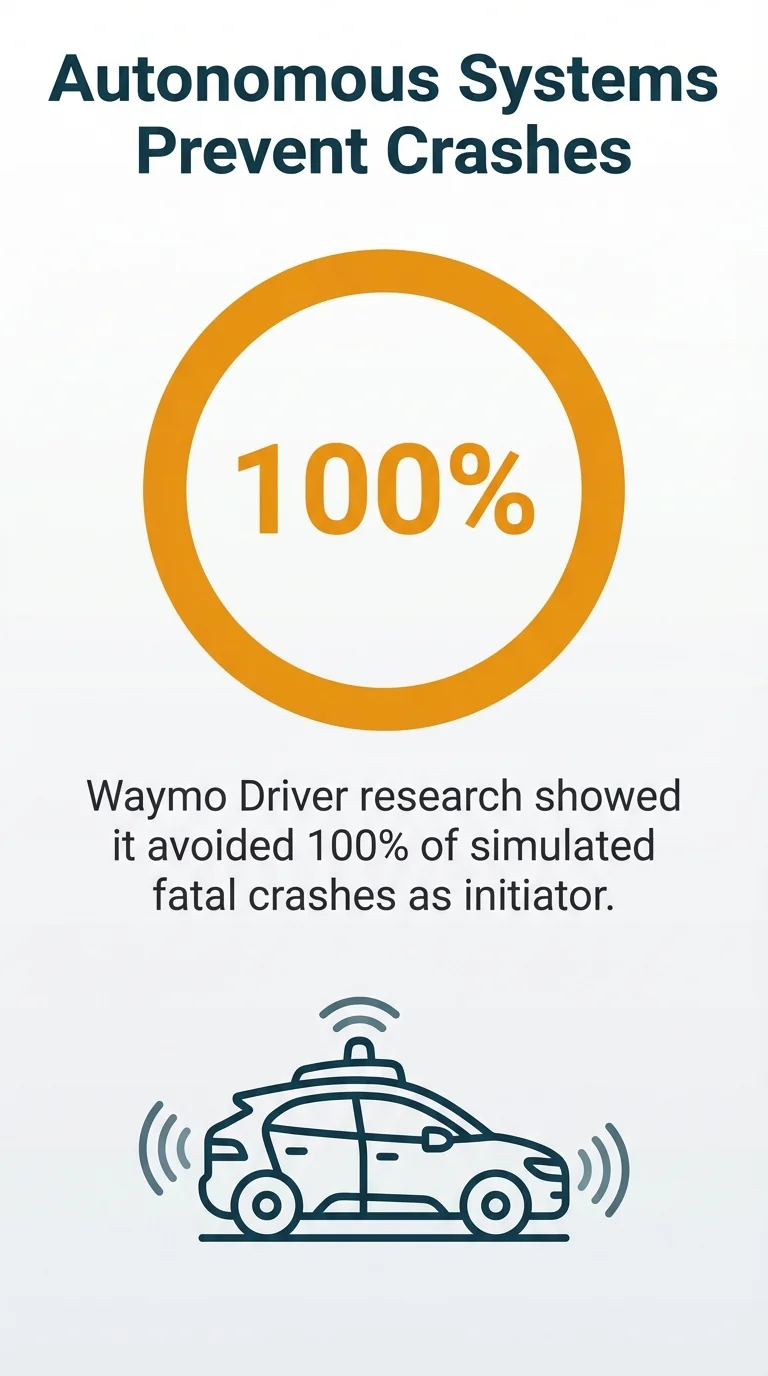
Research shows autonomous systems significantly reduce accidents. Waymo Driver research showed it avoided 100% of simulated fatal crashes as initiator. While full autonomy remains years away for commercial transport, individual safety features deliver measurable benefits today.
Partial automation reduces driver fatigue on long trips. Highway autopilot handles routine driving while drivers maintain supervision. Systems manage speed, steering, and following distance. Drivers stay more alert because they’re not performing repetitive tasks continuously. The combination of human oversight and automated assistance creates safer outcomes than either alone.
Driver Safety Programs: From Manual to Digital
Traditional driver safety training relied on classroom sessions and periodic evaluations. New hires received initial instruction, then annual refreshers. Evaluation happened during ride-alongs that captured tiny samples of actual driving behavior. This approach missed most safety events and provided delayed feedback.
Digital driver safety programs provide continuous monitoring and immediate coaching. Every trip generates behavior data. Systems identify specific unsafe actions as they occur. Drivers receive instant feedback through in-cab alerts. Managers review exceptions rather than conducting comprehensive evaluations. The frequency and specificity of feedback improve dramatically.
Gamification makes safety training engaging rather than punitive. Leaderboards recognize top performers. Achievement badges reward improvement milestones. Friendly competition motivates behavior change. Drivers view safety scores as performance metrics rather than disciplinary tools.
Personalized coaching addresses individual driver needs instead of generic training. Systems identify which behaviors each driver needs to improve. Training content targets specific weaknesses. Progress tracking shows improvement over time. Resources focus on drivers requiring the most development.
Behavior Monitoring and Coaching Systems
Continuous behavior monitoring captures complete driver performance data. Every harsh braking event gets recorded. All speed violations appear in reports. Seat belt usage is verified constantly. Systems measure actual behavior rather than relying on periodic observations.
AI-powered analysis identifies patterns indicating systemic issues versus isolated mistakes. A driver with consistent speeding needs different intervention than one with a single violation. Systems distinguish between drivers requiring training versus those needing disciplinary action. Coaching strategies adapt to individual patterns.
In-cab alerts provide real-time behavior correction. Visual and audible warnings activate when unsafe actions occur. Messages display specific violations like “speed limit exceeded” or “following too closely.” Immediate feedback allows drivers to correct behavior instantly rather than waiting for manager discussions.
Coaching sessions become more productive with specific evidence. Managers review actual events with drivers rather than discussing abstract concepts. Video clips show exactly what happened. Data quantifies frequency and severity. Conversations focus on facts rather than perceptions. Drivers understand expectations clearly.
Performance Dashboards and Analytics
Safety dashboards provide comprehensive visibility into fleet-wide and individual driver performance. Managers see key metrics at a glance. They drill down into specific events requiring attention. They compare performance across drivers, routes, and time periods. Data drives decisions rather than intuition.
Trend analysis reveals whether safety initiatives produce desired improvements. Managers track incident rates, behavior scores, and violation frequencies over time. They measure intervention effectiveness objectively. They identify new issues emerging before they become serious problems.
Benchmarking compares organizational performance against industry standards and peer groups. Companies understand whether their safety programs perform above or below average. They identify specific areas needing improvement. Competitive comparisons motivate leadership investment in safety initiatives.
Custom reports support regulatory compliance and insurance requirements. Systems generate documentation required by auditors automatically. They produce formats specific agencies request. They maintain historical records for required retention periods. Compliance becomes an automated byproduct rather than a manual process.
Work Zone Safety and Connected Vehicle Infrastructure
Construction work zones create unique safety challenges where vehicle speeds, worker proximity, and changing conditions combine dangerously. Traditional approach relied on static signage that drivers often ignored. Digital work zone safety uses connected infrastructure that communicates real-time conditions directly to vehicles.
Smart work zone systems include connected traffic signals, dynamic message signs, vehicle detection sensors, and worker proximity alerts. These components create responsive safety networks that adjust to current conditions rather than displaying static warnings.
Worker wearable technology detects when people enter dangerous proximity to vehicles or equipment. Vests equipped with RFID tags or Bluetooth beacons trigger alerts when workers get too close to moving machinery. Equipment operators receive cab warnings. Workers get vibration alerts. Systems create virtual safety zones that prevent contact.
Obstacle detection systems identify when vehicles or workers enter restricted areas. Hyundai and Kia’s Vision Pulse technology detects obstacles with 99% accuracy within a 100-meter radius. This precision enables reliable automated warnings and equipment shutdowns that prevent incidents.
Dynamic Work Zone Traffic Management
Variable speed limits adjust automatically based on real-time work zone conditions. Sensors detect worker presence and slow traffic accordingly. When work stops, speeds increase to normal limits. This dynamic approach maintains safety without unnecessarily delaying traffic during inactive periods.
Queue detection systems identify when traffic backs up approaching work zones. Dynamic message signs display warnings to approaching vehicles. Speed limits reduce earlier to prevent sudden braking. Alternate route suggestions appear when delays become significant. Rear-end collisions decline substantially with advanced warning.
Connected vehicle applications communicate work zone information directly to cars and trucks. Vehicles receive exact work zone boundaries, current speed limits, lane closure information, and expected delays. This detailed intelligence helps drivers prepare appropriately and reduces dangerous surprises.
Temporary traffic control devices now include connectivity. Smart traffic cones transmit their positions to mapping systems. Connected arrow boards send direction information to vehicle navigation systems. Portable barriers confirm their placement digitally. The entire work zone becomes visible to connected safety systems.
Real-Time Incident Detection and Response
Work zone incident detection systems identify problems immediately through sensor networks and video analytics. Cameras monitor for stopped vehicles, pedestrians in traffic lanes, and equipment in hazardous positions. AI algorithms recognize incidents within seconds and trigger automated responses.
Automated response protocols activate when incidents occur. Emergency messages transmit to approaching vehicles. Traffic signals change to protect incident scenes. Alert notifications reach response teams instantly. Intervention starts while human operators are still assessing situations.
Emergency vehicle preemption gives priority to response vehicles approaching incidents. Traffic signals turn green for emergency vehicles automatically. Connected cars receive alerts to clear paths. Response times decrease significantly compared to traditional approaches. Every second saved improves outcomes for serious incidents.
Post-incident analysis uses digital evidence to improve future safety. Systems store complete records of conditions before, during, and after incidents. Video captures what happened. Sensor data shows environmental factors. Timeline analysis reveals response effectiveness. Organizations learn from each event systematically.
Implementation Strategies for Transportation Safety Digitization
Successful digitization requires strategic planning rather than random technology adoption. Organizations must assess current capabilities, identify priority gaps, select compatible systems, and phase implementation to minimize operational disruption. A structured approach delivers better outcomes than purchasing technologies without integration plans.
Start with comprehensive risk assessment that identifies the safety challenges creating the most exposure. Different operations face different hazards. Long-haul trucking deals with fatigue differently than local delivery. Construction equipment needs different monitoring than passenger vehicles. Technology choices should address the highest-priority risks first.
Build business cases that quantify expected returns from digitization investments. Calculate potential savings from accident reduction, insurance premium decreases, maintenance cost improvements, and regulatory compliance efficiency. Compare these benefits against implementation and ongoing costs. Leadership support requires clear financial justification.
Select vendors and platforms with integration capabilities. Standalone systems create data silos that limit value. Choose solutions with open APIs that connect to other platforms. Verify compatibility with existing systems. Prioritize vendors with track records in your industry. Technology decisions affect operations for years.
Phased Rollout Approaches
Phase One typically focuses on foundational visibility through GPS tracking and basic telematics. Organizations gain location awareness, route verification, and simple driver behavior monitoring. This phase establishes the data infrastructure supporting more advanced capabilities. It demonstrates value quickly with relatively low implementation complexity.
Phase Two adds driver safety features including dashcams, behavior monitoring, and coaching systems. Organizations build on the foundational platform by adding sensors and applications that improve driver performance. This phase delivers significant incident reduction through targeted interventions.
Phase Three implements predictive maintenance and advanced analytics. Organizations layer AI algorithms onto established data streams to forecast problems before they occur. Maintenance transitions from reactive to proactive. This phase maximizes asset utilization while preventing breakdowns.
Phase Four integrates external systems including traffic management, weather services, and connected infrastructure. Organizations connect their private platforms to public information sources. Safety systems benefit from data they couldn’t generate independently. The entire transportation ecosystem becomes interconnected.
Change Management and Driver Adoption
Driver acceptance determines digitization success more than technology quality. Systems that drivers view as surveillance tools rather than safety assistance face resistance that undermines benefits. Organizations must involve drivers early, communicate purposes clearly, and demonstrate how technology helps rather than punishes them.
Transparent communication about data usage builds trust. Explain exactly what systems monitor and how information gets used. Clarify that coaching focuses on improvement rather than discipline. Show how safety data protects drivers during incident investigations. Address privacy concerns directly.
Involve drivers in technology selection and pilot testing. Get feedback on dashboard placement, alert volumes, and coaching effectiveness. Adjust systems based on driver input. This inclusion creates ownership rather than imposition. Drivers become advocates when they influence implementation.
Recognize and reward safety improvements enabled by digital systems. Celebrate drivers who improve behavior scores. Share success stories about prevented incidents. Connect technology adoption to positive outcomes. Positive reinforcement motivates engagement more effectively than penalties for violations.
Measuring Digitization Success and Continuous Improvement
Safety program effectiveness requires quantifiable measurement beyond general impressions. Organizations need specific metrics that track both leading indicators of improving safety culture and lagging indicators showing actual incident reductions. Both types matter because leading indicators predict future performance while lagging indicators confirm actual results.
Incident frequency rates measure how often accidents, injuries, and near-misses occur per miles driven or hours worked. Trending these rates over time shows whether digitization initiatives reduce actual incidents. Significant improvements validate technology investments. Flat or increasing rates indicate adjustments are needed.
Behavior score trends show whether driver performance improves over time. Track harsh braking events, speed violations, seat belt compliance, and fatigue alerts. Improvement in these leading indicators predicts future incident reductions. Coaching effectiveness becomes measurable through behavior change rather than completion certificates.
Vehicle health metrics including maintenance costs, unexpected breakdowns, and vehicle availability demonstrate predictive maintenance effectiveness. Digital systems should reduce emergency repairs while improving fleet utilization. These operational improvements complement safety benefits.
Data-Driven Safety Culture Development
Safety culture shifts from compliance-focused to performance-focused when data makes improvement visible. Objective metrics replace subjective assessments. Progress becomes measurable. Competition motivates improvement. Recognition rewards achievement. Data transforms safety from a required activity to a performance discipline.
Regular safety performance reviews with data-driven agendas keep attention focused appropriately. Meetings discuss trends rather than isolated incidents. They identify systemic issues requiring policy changes. They celebrate improvements and recognize top performers. Data grounds discussions in facts rather than opinions.
Root cause analysis becomes more effective with comprehensive digital records. Investigators access complete information about conditions before, during, and after incidents. They identify contributing factors that paper-based investigations miss. Corrective actions address actual causes rather than symptoms.
Continuous improvement processes use safety data to test interventions and measure results. Organizations implement changes, track performance metrics, and assess effectiveness. Successful initiatives scale across operations. Ineffective approaches get discontinued quickly. This disciplined experimentation accelerates improvement.
Future Trends in Transportation Safety Technology
Autonomous vehicle capabilities will expand gradually, adding more comprehensive driver assistance before achieving full autonomy. Near-term developments include improved collision avoidance, better lane keeping, enhanced object detection, and more reliable operation in challenging conditions. Each improvement removes opportunities for human error.
Vehicle-to-everything communication will create increasingly interconnected transportation networks. Vehicles will share information with each other, infrastructure, pedestrians carrying smartphones, and centralized traffic management. The collective intelligence will prevent accidents that individual vehicles couldn’t avoid alone.
Artificial intelligence capabilities will advance from pattern recognition to true predictive intelligence. Systems will forecast incidents with greater accuracy further in advance. They’ll recommend specific interventions optimized for individual situations. Decision-making will become increasingly automated as AI proves reliable.
Digital twin technology will enable comprehensive simulation and testing before implementing changes. Organizations will model new routes, policies, and technologies virtually before deploying them physically. This testing reduces risk and accelerates improvement by validating ideas computationally.
Standardization and interoperability will improve as the industry matures. Different platforms will exchange information seamlessly. Organizations will integrate systems from multiple vendors without custom development. Data portability will increase as proprietary barriers decline. These improvements will accelerate adoption and reduce implementation costs.
You now understand how digital transformation fundamentally changes transportation safety from reactive incident response to proactive risk prevention. The technologies exist today to monitor vehicles comprehensively, coach drivers effectively, maintain equipment predictively, and respond to hazards immediately. Success requires strategic implementation that addresses your specific risks, phased rollout that manages change effectively, and measurement systems that demonstrate continuous improvement. Start with foundational tracking and telematics, then add capabilities that address your highest-priority safety challenges. The path to digital safety maturity is clear.